Abhinav Bindra Calls For Bottom-Up Approach To Build India's Sporting Culture
Olympic champion Abhinav Bindra stresses need for wider participation in sports, investment in physical education and parental support.
'%3E%3Crect%20width%3D'96'%20height%3D'96'%20fill%3D'%231B5E20'%2F%3E%3Ccircle%20cx%3D'30'%20cy%3D'24'%20r%3D'44'%20fill%3D'%23fff'%20opacity%3D'.12'%2F%3E%3Ccircle%20cx%3D'60'%20cy%3D'74'%20r%3D'40'%20fill%3D'%23000'%20opacity%3D'.10'%2F%3E%3C%2Fg%3E%3Cg%3E%3Ccircle%20cx%3D'48'%20cy%3D'48'%20r%3D'15'%20fill%3D'%23fff'%2F%3E%3Cpath%20d%3D'M43%2034%20Q50%2048%2043%2062'%20fill%3D'none'%20stroke%3D'%238a94a6'%20stroke-width%3D'2.4'%2F%3E%3Cpath%20d%3D'M47%2033%20Q54%2048%2047%2063'%20fill%3D'none'%20stroke%3D'%238a94a6'%20stroke-width%3D'1.8'%20stroke-dasharray%3D'1.5%203'%2F%3E%3C%2Fg%3E%3C%2Fsvg%3E)
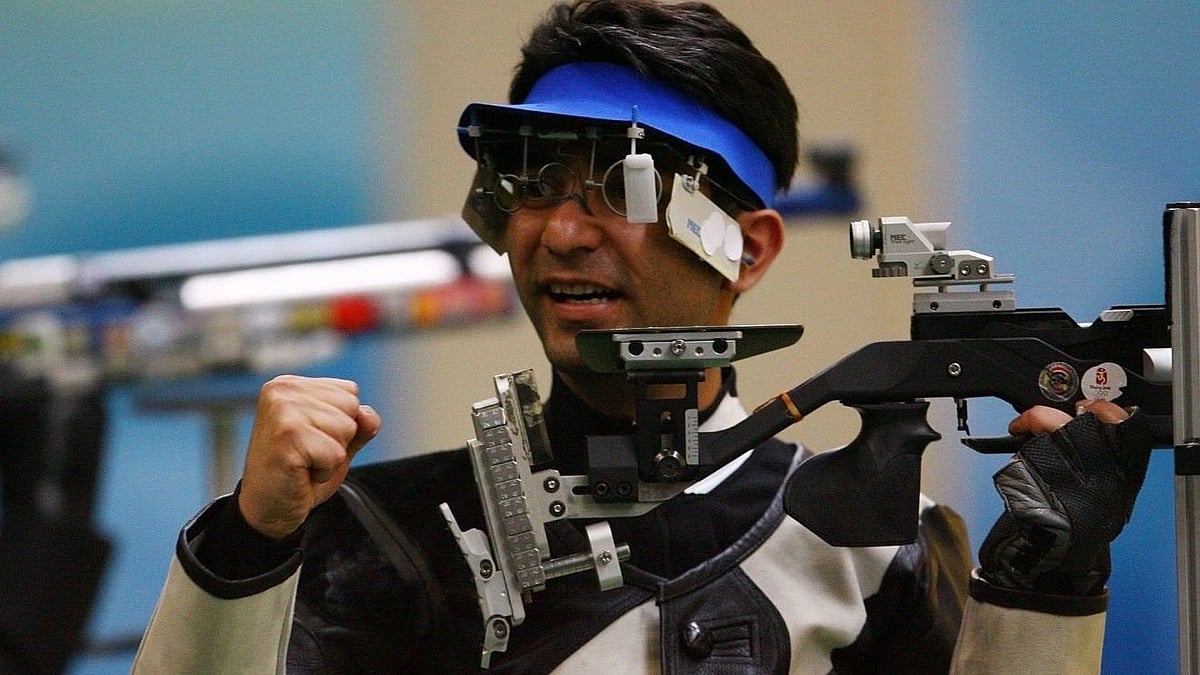
Olympic champion Abhinav Bindra has called for a fundamental shift in India's approach to sport, emphasizing the need to move beyond celebrating champions and focus on building a culture that encourages more children and young people to participate in sports.
Bindra, who spoke at IAMGAME 2026, noted that India cannot build its sporting culture from the top down, but rather needs to broaden the base by encouraging more young Indians to play sports. He emphasized that the value of sports extends far beyond winning medals, and that greater participation can contribute significantly to improving physical and mental health.
The Olympic gold medallist also underlined the need for greater recognition and investment in physical education in schools, stating that physical education teachers should be regarded as important figures in a child's development. He noted that in countries with strong sporting cultures, physical education and sports teachers are among the most respected figures in schools.
Bindra also reflected on the role of parents in creating a supportive environment for children pursuing sports. He credited his parents with providing him with the psychological safety to pursue his passion for sports without making their love or approval dependent on his results. This, he said, allowed him to develop the courage and conviction needed to perform independently.
In addition to parental support, Bindra emphasized the importance of developing self-respect and discipline in achieving sporting success. He noted that pressure is an inevitable part of sports, but that athletes can learn to coexist with it by cultivating mindfulness, gratitude, and adaptive intelligence.
Bindra's philosophy of sporting excellence is centered around the idea that a great shot is never fired, but rather is the result of a process of continuous improvement and self-refinement. He illustrated this point with an anecdote from his training days, in which he completed a set of 100 sit-ups despite being told he had already finished.
Overall, Bindra's call for a bottom-up approach to building India's sporting culture emphasizes the need for a more holistic and inclusive approach to sports development. By encouraging wider participation, investing in physical education, and providing parental support, India can create a stronger foundation for sporting success and improve the overall health and well-being of its citizens.
The emphasis on building a sporting culture from the ground up is a significant shift from the current approach, which often focuses on elite athletes and medal-winning performances. By broadening the base of participation and providing more opportunities for young people to engage in sports, India can create a more sustainable and equitable sporting ecosystem.
In conclusion, Abhinav Bindra's call for a bottom-up approach to building India's sporting culture is a timely and important reminder of the need to prioritize participation, physical education, and parental support in sports development. By adopting this approach, India can create a stronger, more inclusive sporting culture that benefits not just elite athletes, but the entire nation.
As India continues to grow and develop its sporting infrastructure, it is essential to remember that sporting success is not just about winning medals, but about creating a culture that values physical activity, discipline, and self-improvement. By investing in physical education, encouraging wider participation, and providing parental support, India can build a stronger foundation for sporting success and improve the overall health and well-being of its citizens.
In the end, Bindra's philosophy of sporting excellence offers a valuable lesson for athletes, coaches, and policymakers alike. By emphasizing the importance of self-respect, discipline, and continuous improvement, he provides a roadmap for achieving success not just in sports, but in life itself.
This approach can have a significant impact on the health and well-being of Indians, particularly children and young people. By encouraging physical activity and providing opportunities for participation, India can reduce the burden of lifestyle-related health concerns and create a healthier, more active population.
In the context of India's sporting landscape, Bindra's call for a bottom-up approach is a significant departure from the current focus on elite athletes and medal-winning performances. By broadening the base of participation and providing more opportunities for young people to engage in sports, India can create a more sustainable and equitable sporting ecosystem.
Ultimately, the success of this approach will depend on the ability of policymakers, coaches, and parents to work together to create a supportive environment for young people to participate in sports. By investing in physical education, encouraging wider participation, and providing parental support, India can build a stronger foundation for sporting success and improve the overall health and well-being of its citizens.
The benefits of this approach extend far beyond the sporting arena, and can have a significant impact on the social and economic development of India. By creating a culture that values physical activity, discipline, and self-improvement, India can produce a more confident, resilient, and successful population.
In conclusion, Abhinav Bindra's call for a bottom-up approach to building India's sporting culture is a timely and important reminder of the need to prioritize participation, physical education, and parental support in sports development. By adopting this approach, India can create a stronger, more inclusive sporting culture that benefits not just elite athletes, but the entire nation.
What it means for India is that the country needs to shift its focus from just celebrating champions to building a culture that encourages more children and young people to participate in sports. This can be achieved by investing in physical education, encouraging wider participation, and providing parental support. The benefits of this approach will be numerous, and can have a significant impact on the health, well-being, and social and economic development of India.
Frequently asked questions
What is Abhinav Bindra's approach to building India's sporting culture?
Abhinav Bindra calls for a bottom-up approach, emphasizing the need to move beyond celebrating champions and focus on building a culture that encourages more children and young people to participate in sports.
Why is physical education important in schools?
Physical education is important in schools because it can contribute significantly to improving physical and mental health, and physical education teachers should be regarded as important figures in a child's development.