SC Reserves Order in Jain Temple Management Dispute
Supreme Court hears dispute between Shvetambara and Digambara sects. Order reserved after brief submissions.
'%3E%3Crect%20width%3D'96'%20height%3D'96'%20fill%3D'%23B3261E'%2F%3E%3Ccircle%20cx%3D'30'%20cy%3D'24'%20r%3D'44'%20fill%3D'%23fff'%20opacity%3D'.12'%2F%3E%3Ccircle%20cx%3D'60'%20cy%3D'74'%20r%3D'40'%20fill%3D'%23000'%20opacity%3D'.10'%2F%3E%3C%2Fg%3E%3Cg%20fill%3D'%23fff'%3E%3Crect%20x%3D'29'%20y%3D'49'%20width%3D'8'%20height%3D'19'%20rx%3D'1'%2F%3E%3Crect%20x%3D'39'%20y%3D'40'%20width%3D'9'%20height%3D'28'%20rx%3D'1'%2F%3E%3Crect%20x%3D'50'%20y%3D'45'%20width%3D'8'%20height%3D'23'%20rx%3D'1'%2F%3E%3Crect%20x%3D'60'%20y%3D'53'%20width%3D'7'%20height%3D'15'%20rx%3D'1'%2F%3E%3Crect%20x%3D'41'%20y%3D'34'%20width%3D'5'%20height%3D'6'%2F%3E%3C%2Fg%3E%3C%2Fsvg%3E)
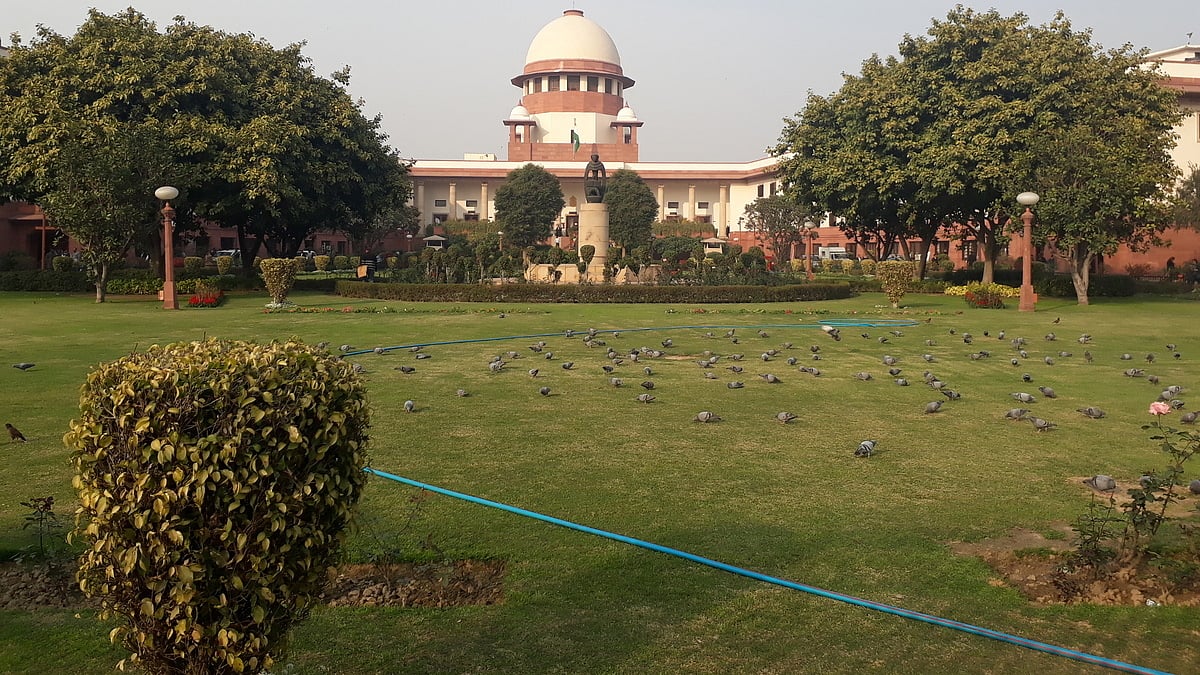
The Supreme Court has reserved its order in a long-standing dispute between the Shvetambara and Digambara sects of Jainism over the management of the Mahaveer Ji Jain Temple in Rajasthan.
The dispute centres on the temple's management and related properties, with the two sects holding differing views on how the temple should be managed. The case originated from proceedings seeking changes to the temple's management, which were initiated several years ago.
A bench of Justices JB Pardiwala and K Vinod Chandran heard brief submissions from senior advocates Aryama Sundaram and Shyam Divan on Wednesday. The justices directed the parties to submit their written arguments within eight days.
During the hearing, Justice Pardiwala urged both sides to approach the matter with sensitivity, given its religious implications. He questioned the need for prolonged litigation, asking, “Do you think he is pleased by all this?” The judge was referring to the revered Jain saint, Mahaveer Ji, and urged the parties to consider whether their actions were offending him.
The respondent argued that there was no demand to alter the place of worship and that the Places of Worship (Special Provisions) Act, 1991, therefore did not apply. On the other hand, the petitioner contended that the proceedings had already abated under the law.
The trial court had ordered the abatement of the proceedings in 1994 following an application under the 1991 Act. However, the Rajasthan High Court subsequently held that an appeal against the order was maintainable, prompting the Digambar Samiti to approach the Supreme Court.
The Supreme Court's decision in this case is likely to have significant implications for the management of the Mahaveer Ji Jain Temple and the relationship between the Shvetambara and Digambara sects. The case highlights the complexities and challenges of managing religious institutions and the need for sensitivity and respect for different religious traditions.
The Jain community is one of the oldest and most respected religious communities in India, with a rich history and culture. The Mahaveer Ji Jain Temple is an important place of worship for Jains, and its management is a matter of great significance for the community.
The Supreme Court's order in this case will be closely watched by the Jain community and other religious groups in India. The court's decision will provide guidance on the management of religious institutions and the application of the Places of Worship (Special Provisions) Act, 1991.
In conclusion, the Supreme Court's reservation of order in the Jain temple management dispute is a significant development in a long-standing and complex case. The court's decision will have important implications for the management of the Mahaveer Ji Jain Temple and the relationship between the Shvetambara and Digambara sects.
The case also highlights the importance of sensitivity and respect for different religious traditions in India. The Supreme Court's decision will provide guidance on the management of religious institutions and the application of the law in such cases.
The Jain community and other religious groups in India will be closely watching the Supreme Court's decision in this case. The court's order will provide clarity and guidance on the management of religious institutions and the relationship between different religious sects.
The Supreme Court's decision in this case will be a significant milestone in the history of the Mahaveer Ji Jain Temple and the Jain community in India. The court's order will provide a new direction for the management of the temple and the relationship between the Shvetambara and Digambara sects.
In the end, the Supreme Court's decision will be guided by the principles of justice, equality, and respect for different religious traditions. The court's order will provide a fair and just solution to the dispute, taking into account the interests of all parties involved.
The case is a reminder of the importance of the judiciary in resolving disputes and providing guidance on the application of the law. The Supreme Court's decision in this case will be a significant contribution to the development of the law in India and will provide a new direction for the management of religious institutions.
The Jain community and other religious groups in India will be grateful for the Supreme Court's guidance and direction in this case. The court's decision will provide a new era of peace and harmony between the Shvetambara and Digambara sects and will ensure the smooth management of the Mahaveer Ji Jain Temple.
The Supreme Court's order in this case will be a landmark decision in the history of the Jain community in India. The court's decision will provide a new direction for the management of religious institutions and will ensure that the principles of justice, equality, and respect for different religious traditions are upheld.
The case is a significant reminder of the importance of the judiciary in resolving disputes and providing guidance on the application of the law. The Supreme Court's decision in this case will be a significant contribution to the development of the law in India and will provide a new direction for the management of religious institutions.
The Jain community and other religious groups in India will be closely watching the Supreme Court's decision in this case. The court's order will provide clarity and guidance on the management of religious institutions and the relationship between different religious sects.
The Supreme Court's decision in this case will be a significant milestone in the history of the Mahaveer Ji Jain Temple and the Jain community in India. The court's order will provide a new direction for the management of the temple and the relationship between the Shvetambara and Digambara sects.
In conclusion, the Supreme Court's reservation of order in the Jain temple management dispute is a significant development in a long-standing and complex case. The court's decision will have important implications for the management of the Mahaveer Ji Jain Temple and the relationship between the Shvetambara and Digambara sects.
The case also highlights the importance of sensitivity and respect for different religious traditions in India. The Supreme Court's decision will provide guidance on the management of religious institutions and the application of the law in such cases.
The Jain community and other religious groups in India will be closely watching the Supreme Court's decision in this case. The court's order will provide clarity and guidance on the management of religious institutions and the relationship between different religious sects.
The Supreme Court's decision in this case will be a significant milestone in the history of the Mahaveer Ji Jain Temple and the Jain community in India. The court's order will provide a new direction for the management of the temple and the relationship between the Shvetambara and Digambara sects.
The case is a reminder of the importance of the judiciary in resolving disputes and providing guidance on the application of the law. The Supreme Court's decision in this case will be a significant contribution to the development of the law in India and will provide a new direction for the management of religious institutions.
The Jain community and other religious groups in India will be grateful for the Supreme Court's guidance and direction in this case. The court's decision will provide a new era of peace and harmony between the Shvetambara and Digambara sects and will ensure the smooth management of the Mahaveer Ji Jain Temple.
The Supreme Court's order in this case will be a landmark decision in the history of the Jain community in India. The court's decision will provide a new direction for the management of religious institutions and will ensure that the principles of justice, equality, and respect for different religious traditions are upheld.
What it means for Mumbai and India is that the Supreme Court's decision will have significant implications for the management of religious institutions and the relationship between different religious sects. The court's order will provide guidance on the application of the law in such cases and will ensure that the principles of justice, equality, and respect for different religious traditions are upheld.
Frequently asked questions
What is the dispute between the Shvetambara and Digambara sects?
The dispute centres on the management of the Mahaveer Ji Jain Temple in Rajasthan.
What is the significance of the Supreme Court's decision in this case?
The court's decision will provide guidance on the management of religious institutions and the application of the law in such cases.