Mumbai MLA Slams VHP's Garba Ban on Muslims
VHP's 'fatwa' sparks controversy, MLA says it's unconstitutional
'%3E%3Crect%20width%3D'96'%20height%3D'96'%20fill%3D'%23B3261E'%2F%3E%3Ccircle%20cx%3D'30'%20cy%3D'24'%20r%3D'44'%20fill%3D'%23fff'%20opacity%3D'.12'%2F%3E%3Ccircle%20cx%3D'60'%20cy%3D'74'%20r%3D'40'%20fill%3D'%23000'%20opacity%3D'.10'%2F%3E%3C%2Fg%3E%3Cg%20fill%3D'%23fff'%3E%3Crect%20x%3D'29'%20y%3D'49'%20width%3D'8'%20height%3D'19'%20rx%3D'1'%2F%3E%3Crect%20x%3D'39'%20y%3D'40'%20width%3D'9'%20height%3D'28'%20rx%3D'1'%2F%3E%3Crect%20x%3D'50'%20y%3D'45'%20width%3D'8'%20height%3D'23'%20rx%3D'1'%2F%3E%3Crect%20x%3D'60'%20y%3D'53'%20width%3D'7'%20height%3D'15'%20rx%3D'1'%2F%3E%3Crect%20x%3D'41'%20y%3D'34'%20width%3D'5'%20height%3D'6'%2F%3E%3C%2Fg%3E%3C%2Fsvg%3E)
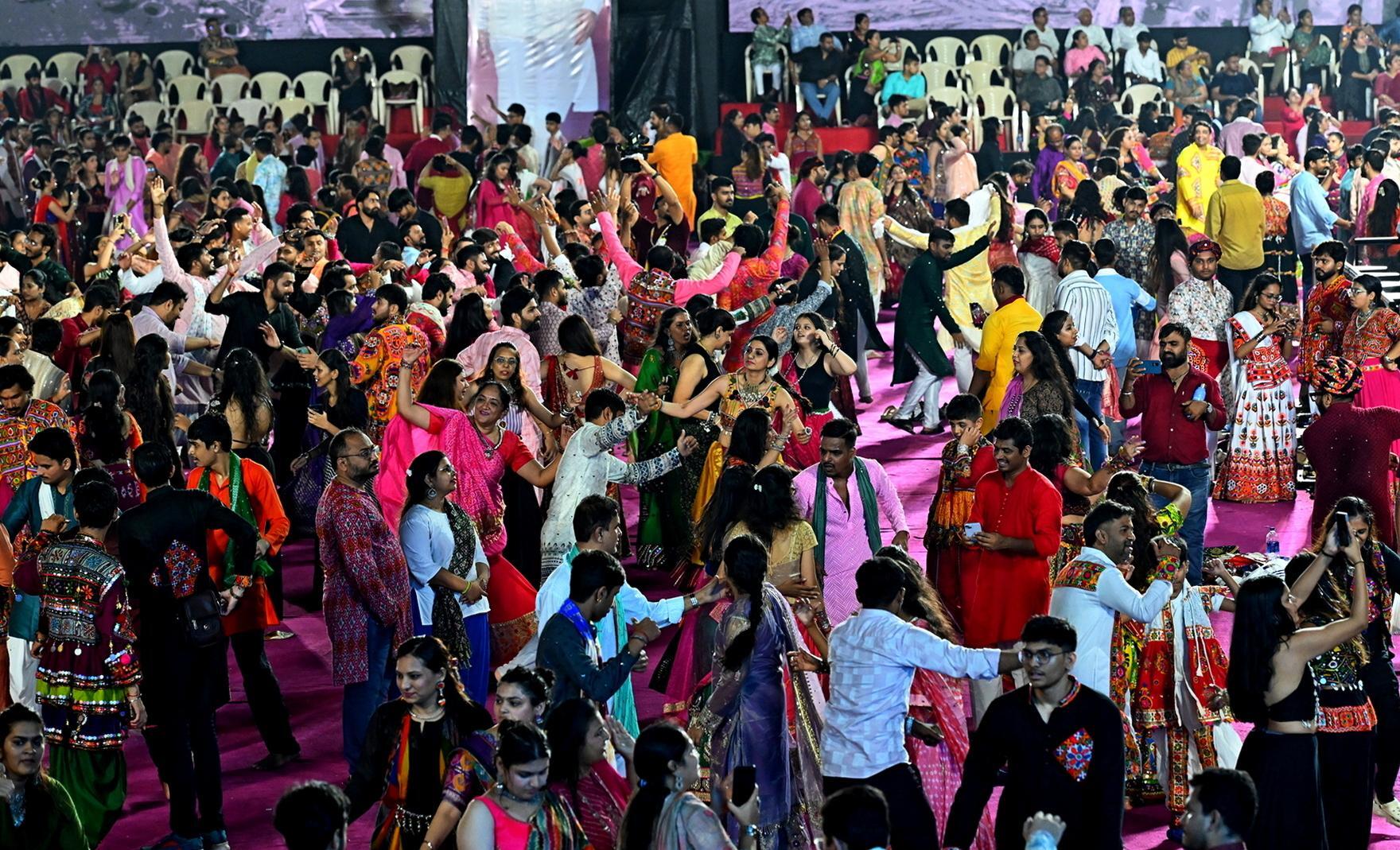
A Mumbai MLA has criticized the Vishva Hindu Parishad (VHP) for issuing a 'fatwa' that bans Muslims from attending garba events. The MLA stated that this move is in direct violation of the Indian Constitution, which guarantees the right to freedom of religion and equality before the law.
The VHP's decision has sparked a heated debate, with many questioning the organization's authority to issue such a ban. The MLA argued that such a move is not only unconstitutional but also goes against the principles of secularism and inclusivity that India stands for.
The Indian Constitution, under Article 14, ensures equality before the law for all citizens, regardless of their religion, caste, or creed. Additionally, Article 25 guarantees the freedom of conscience and the right to freely profess, practice, and propagate religion. The MLA emphasized that the VHP's 'fatwa' is a clear violation of these fundamental rights.
The controversy surrounding the VHP's 'fatwa' has raised concerns about the growing trend of intolerance and exclusion in the country. Many have expressed fears that such moves could lead to further polarization and division among communities.
The MLA's statement has been welcomed by many who believe that such a ban is unacceptable in a secular and democratic country like India. The incident has also highlighted the need for greater dialogue and understanding between different communities to promote harmony and inclusivity.
In recent years, there have been several instances of organizations and individuals trying to impose their own brand of morality and exclusivity on others. However, such moves have been consistently rejected by the courts and the people of India, who have upheld the principles of secularism and equality enshrined in the Constitution.
The VHP's 'fatwa' has been widely condemned, and many have called for greater action to be taken against such organizations that seek to divide and exclude people on the basis of their religion. The incident serves as a reminder of the importance of upholding the Constitution and promoting inclusivity and secularism in all aspects of life.
In conclusion, the Mumbai MLA's criticism of the VHP's 'fatwa' is a timely reminder of the need to uphold the principles of secularism and equality in India. The incident highlights the importance of promoting inclusivity and harmony among different communities and rejecting any attempts to impose exclusivity or intolerance.
The controversy surrounding the VHP's 'fatwa' is a significant issue that affects not only the Muslim community but also the broader principles of secularism and democracy in India. It is essential to address such issues and promote greater understanding and dialogue between different communities to ensure that the principles of equality and inclusivity are upheld.
The Mumbai MLA's statement is a step in the right direction, and it is hoped that it will contribute to a wider debate on the importance of promoting secularism and inclusivity in India. The incident serves as a reminder of the need for constant vigilance and action to protect the fundamental rights of all citizens, regardless of their religion or background.
What it means for Mumbai and India is that there is a need for greater awareness and action to promote secularism and inclusivity. The incident highlights the importance of upholding the Constitution and rejecting any attempts to impose exclusivity or intolerance. It is essential to promote greater understanding and dialogue between different communities to ensure that the principles of equality and inclusivity are upheld.
Frequently asked questions
What is the VHP's 'fatwa' about?
The VHP's 'fatwa' bans Muslims from attending garba events, which has been criticized as unconstitutional.
What does the Indian Constitution say about freedom of religion?
The Indian Constitution guarantees the right to freedom of religion and equality before the law, under Articles 14 and 25.