CJP Founder Backs Maratha Reservation Protest
CJP founder Abhijit Dipke supports protest, cites distrust in government promises. Protest seeks Maratha reservation, quality education.
'%3E%3Crect%20width%3D'96'%20height%3D'96'%20fill%3D'%231A5276'%2F%3E%3Ccircle%20cx%3D'30'%20cy%3D'24'%20r%3D'44'%20fill%3D'%23fff'%20opacity%3D'.12'%2F%3E%3Ccircle%20cx%3D'60'%20cy%3D'74'%20r%3D'40'%20fill%3D'%23000'%20opacity%3D'.10'%2F%3E%3C%2Fg%3E%3Cg%20fill%3D'%23fff'%3E%3Cpath%20d%3D'M31%2041%20L48%2031%20L65%2041%20Z'%2F%3E%3Crect%20x%3D'33'%20y%3D'43'%20width%3D'4'%20height%3D'17'%2F%3E%3Crect%20x%3D'41'%20y%3D'43'%20width%3D'4'%20height%3D'17'%2F%3E%3Crect%20x%3D'51'%20y%3D'43'%20width%3D'4'%20height%3D'17'%2F%3E%3Crect%20x%3D'59'%20y%3D'43'%20width%3D'4'%20height%3D'17'%2F%3E%3Crect%20x%3D'30'%20y%3D'62'%20width%3D'36'%20height%3D'4'%20rx%3D'1'%2F%3E%3C%2Fg%3E%3C%2Fsvg%3E)
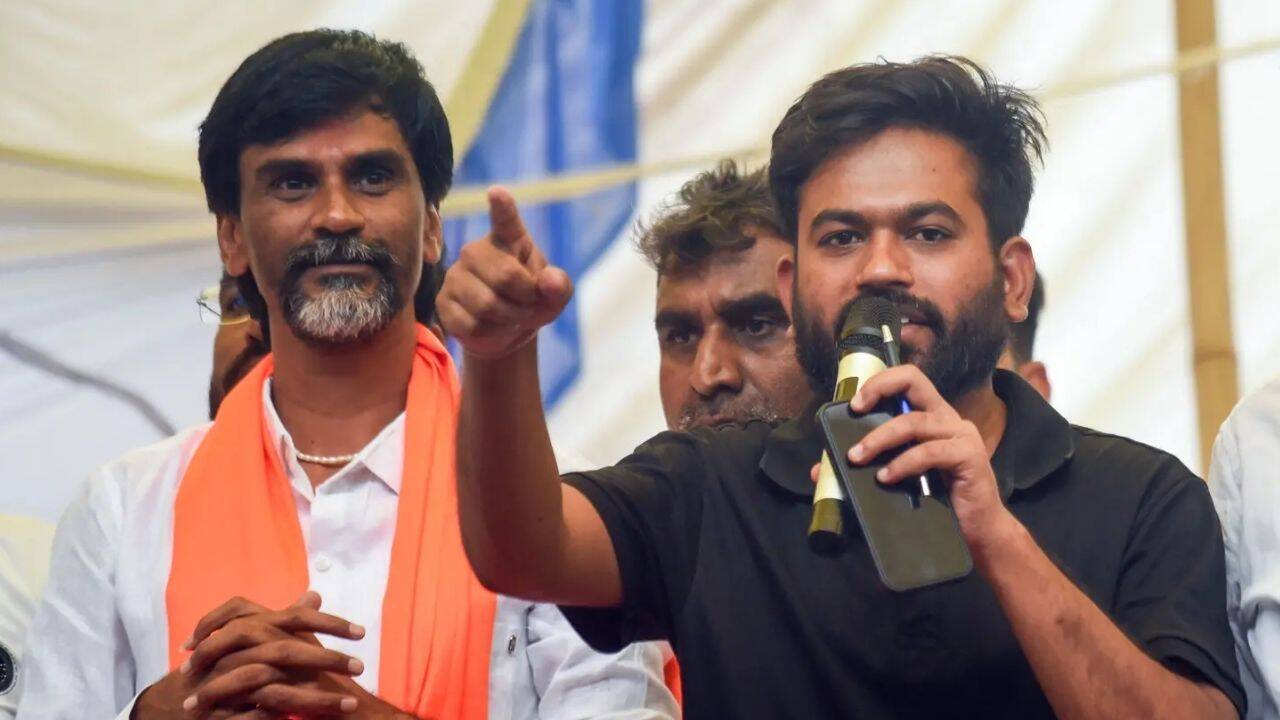
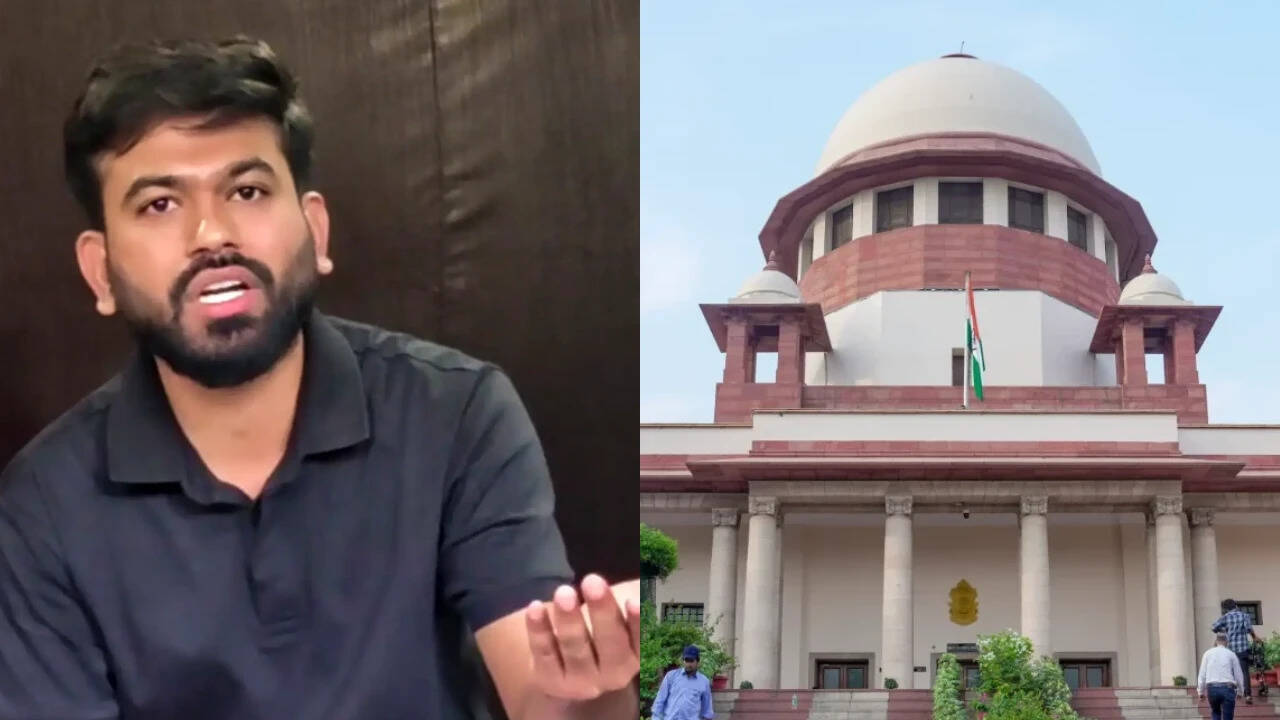
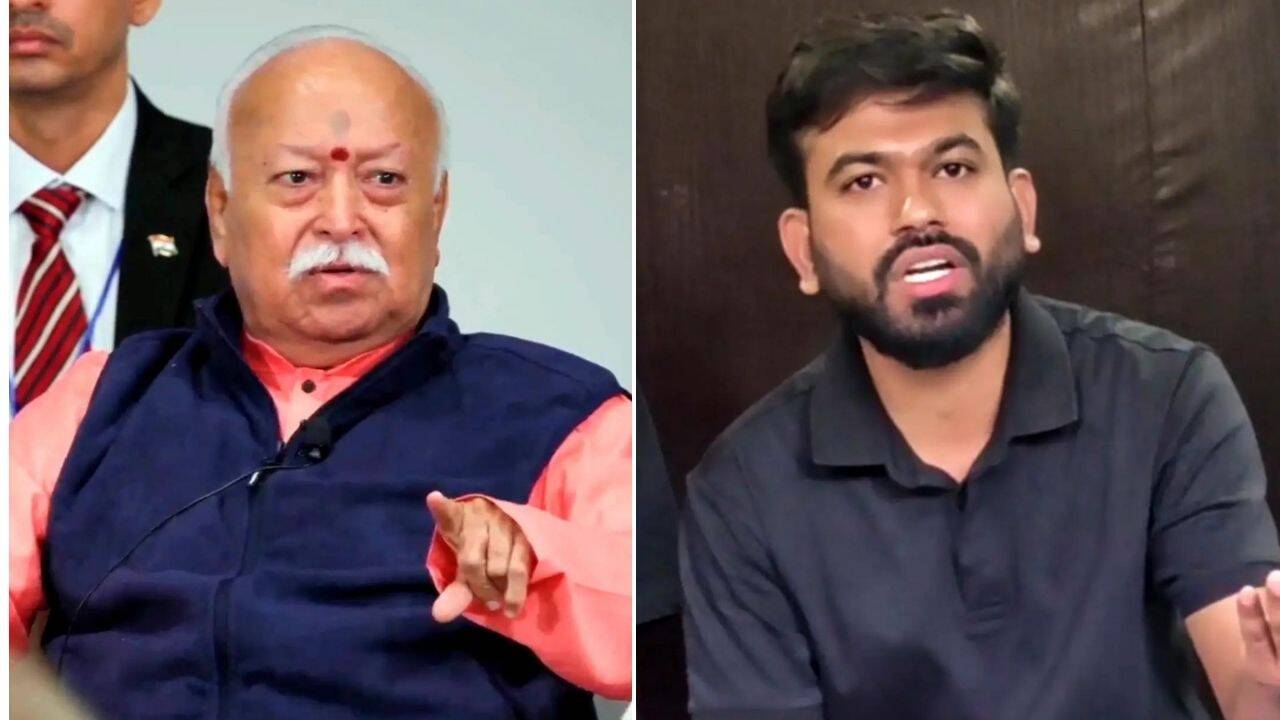
Abhijit Dipke, founder of the Citizens for Justice and Peace (CJP), has come out in support of Manoj Jarange Patil's ongoing protest for Maratha reservation. The protest, which has been gaining attention, advocates for reservation benefits for the Maratha community in education and job opportunities.
Dipke emphasized that protests are a last resort and that nobody enjoys taking to the streets. However, he pointed out that when dialogue fails, protests become a necessary means to bring attention to critical issues. In this case, the issue at hand is the lack of quality education for children from the Maratha community.
The CJP founder expressed his intention to meet with Jarange Patil to extend his support for the demonstration. He highlighted the growing distrust in the government's promises regarding education and job opportunities for the Maratha community. Dipke's statement underscores the importance of providing quality education for children from the community.
The Maratha reservation issue has been a longstanding one, with the community demanding greater representation in education and employment opportunities. The protest, led by Jarange Patil, seeks to bring attention to this issue and push for concrete action from the government.
The CJP's support for the protest is significant, as the organization has been at the forefront of advocating for social justice and human rights in India. Dipke's statement highlights the need for the government to take concrete steps to address the concerns of the Maratha community.
In recent years, the Maratha community has been vocal about its demands for reservation benefits. The community has argued that it has been historically marginalized and that reservation benefits are necessary to level the playing field. The issue has been the subject of much debate, with some arguing that reservation benefits are necessary to promote social justice, while others argue that they are not an effective solution.
The protest, and the CJP's support for it, highlights the need for the government to engage in meaningful dialogue with the Maratha community and to take concrete steps to address its concerns. As Dipke pointed out, protests are a last resort, and it is only when dialogue fails that they become necessary.
The issue of Maratha reservation is complex and multifaceted, and it requires a nuanced and thoughtful approach. The government must take into account the concerns of the Maratha community, as well as the broader social and economic implications of reservation benefits. Ultimately, the goal should be to promote social justice and equality, and to ensure that all communities have access to quality education and employment opportunities.
In conclusion, the CJP's support for the Maratha reservation protest highlights the critical importance of addressing the concerns of marginalized communities. It is only through meaningful dialogue and concrete action that we can promote social justice and equality, and ensure that all communities have access to the opportunities they deserve.
Frequently asked questions
What is the Maratha reservation protest about?
The protest, led by Manoj Jarange Patil, seeks reservation benefits for the Maratha community in education and job opportunities.
Why is the CJP supporting the protest?
The CJP is supporting the protest because it believes that the government has failed to deliver on its promises regarding education and job opportunities for the Maratha community.