CJP Leader Abhijeet Dipke Diagnosed With Typhoid
CJP leader Abhijeet Dipke has typhoid, NEET protest continues
'%3E%3Crect%20width%3D'96'%20height%3D'96'%20fill%3D'%231A5276'%2F%3E%3Ccircle%20cx%3D'30'%20cy%3D'24'%20r%3D'44'%20fill%3D'%23fff'%20opacity%3D'.12'%2F%3E%3Ccircle%20cx%3D'60'%20cy%3D'74'%20r%3D'40'%20fill%3D'%23000'%20opacity%3D'.10'%2F%3E%3C%2Fg%3E%3Cg%20fill%3D'%23fff'%3E%3Cpath%20d%3D'M31%2041%20L48%2031%20L65%2041%20Z'%2F%3E%3Crect%20x%3D'33'%20y%3D'43'%20width%3D'4'%20height%3D'17'%2F%3E%3Crect%20x%3D'41'%20y%3D'43'%20width%3D'4'%20height%3D'17'%2F%3E%3Crect%20x%3D'51'%20y%3D'43'%20width%3D'4'%20height%3D'17'%2F%3E%3Crect%20x%3D'59'%20y%3D'43'%20width%3D'4'%20height%3D'17'%2F%3E%3Crect%20x%3D'30'%20y%3D'62'%20width%3D'36'%20height%3D'4'%20rx%3D'1'%2F%3E%3C%2Fg%3E%3C%2Fsvg%3E)
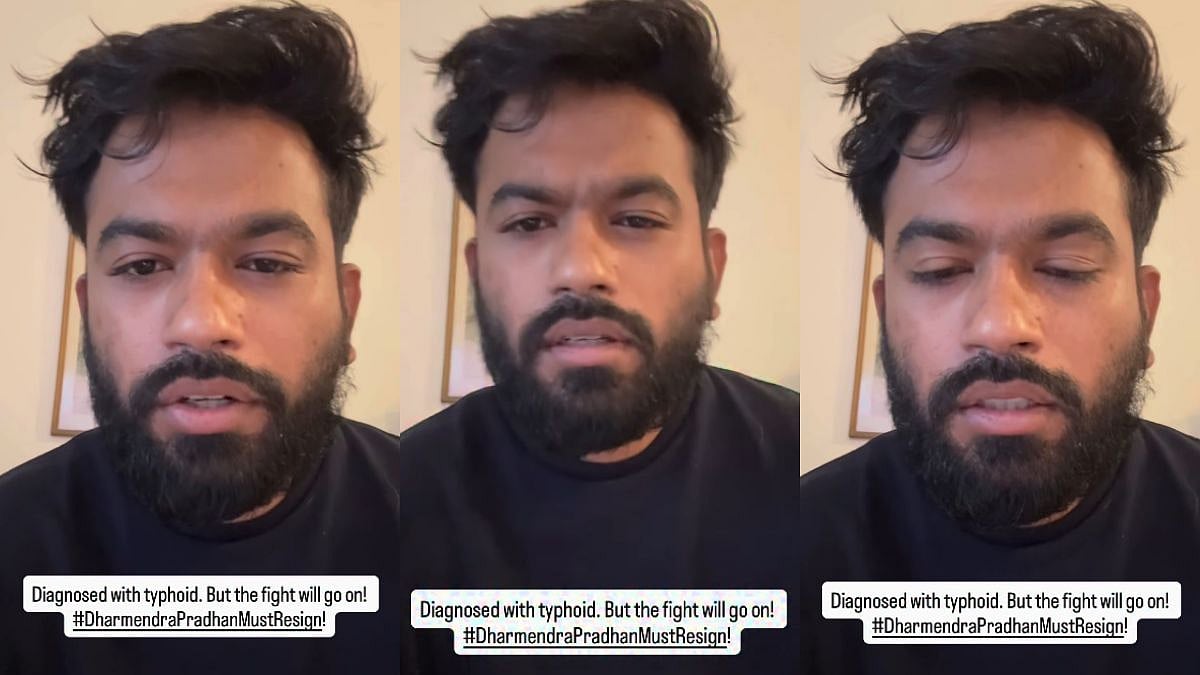
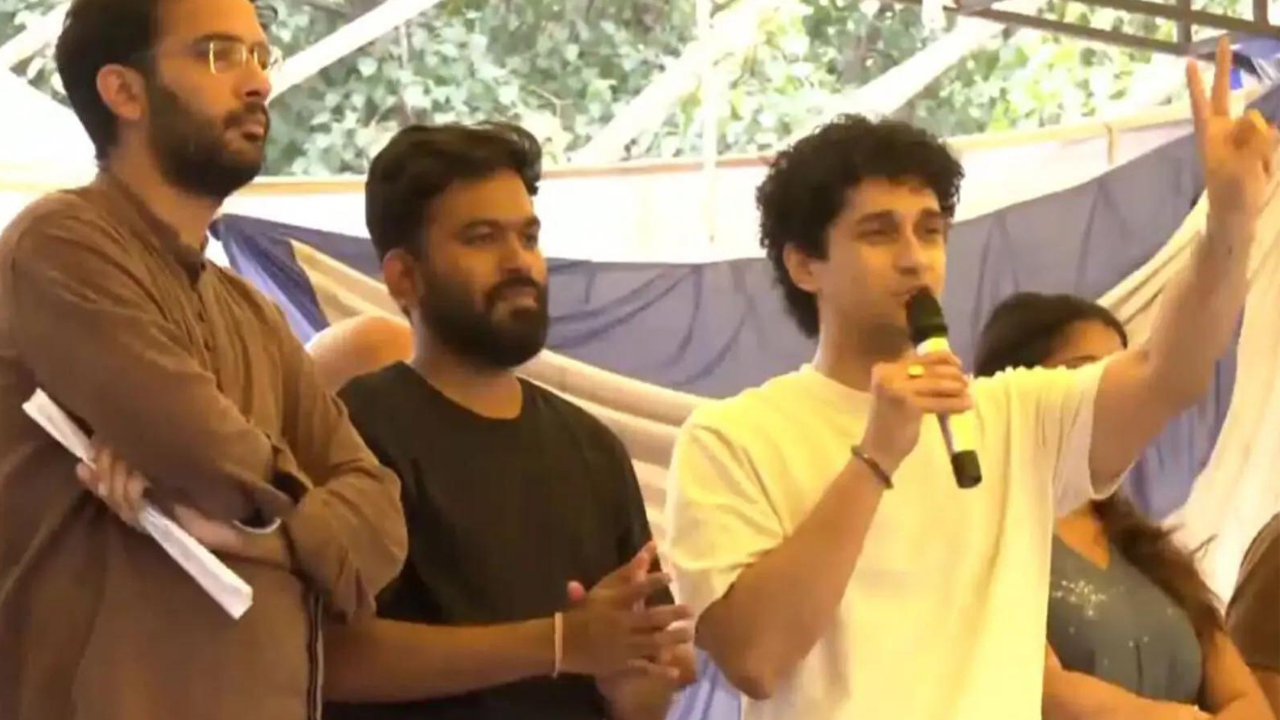
Abhijeet Dipke, the founder of the Cockroach Janta Party (CJP), has been diagnosed with typhoid fever. He shared the news with his supporters through a video message on Saturday, informing them that recent blood tests confirmed the diagnosis. Despite his illness, Dipke assured that the protests against the NEET paper leak would continue.
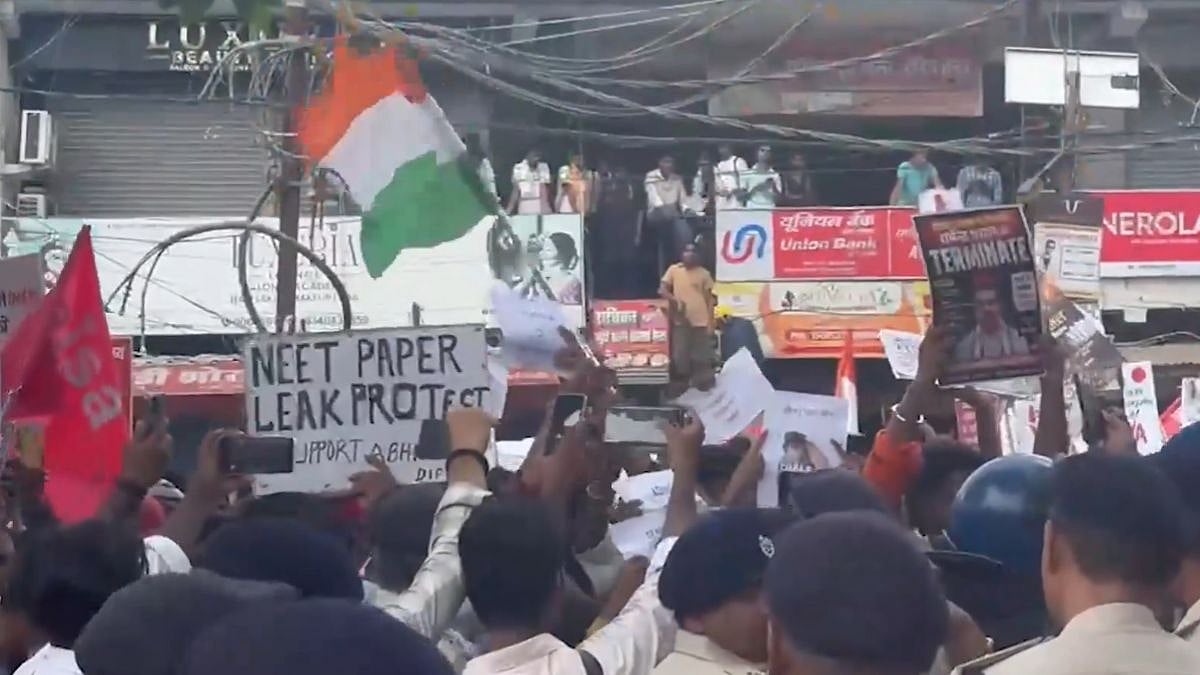
Dipke has been undergoing treatment, receiving intravenous (IV) drips twice a day. He expressed gratitude to the supporters of the CJP, referring to them as 'cockroaches', for their peaceful demonstrations across the country. The protests are demanding the resignation of Union Education Minister Dharmendra Pradhan over the NEET paper leak controversy.
Typhoid fever is a bacterial infection caused by Salmonella Typhi, which spreads through contaminated food or water. If left untreated, it can become serious and lead to complications such as intestinal perforation, internal bleeding, and kidney failure. Dipke's diagnosis has not deterred him from continuing the movement, and he has urged his supporters to keep protesting peacefully.
The NEET paper leak controversy has sparked widespread protests across the country, with many demanding accountability in the education system. The CJP has been at the forefront of the movement, with Dipke being a key figure. Despite his illness, Dipke remains committed to the cause and has assured his supporters that the fight will continue.
The symptoms of typhoid fever include persistent high fever, headache, chills, loss of appetite, stomach pain, and muscle aches. If symptoms persist or worsen, it is essential to seek immediate medical care to prevent complications. Dipke's health condition is being closely monitored, and he is receiving the necessary treatment.
The protests against the NEET paper leak are a testament to the growing demand for accountability in the education system. The movement has gained momentum, with many supporters taking to the streets to demand justice. Dipke's diagnosis has not weakened the movement, and it continues to gain strength.
In conclusion, Abhijeet Dipke's diagnosis with typhoid fever has not deterred him from continuing the protests against the NEET paper leak. The movement remains strong, and the demand for accountability in the education system continues to grow. Dipke's commitment to the cause is a testament to his dedication to the movement, and his supporters remain steadfast in their support.
The CJP's movement has brought attention to the need for reform in the education system, and the protests are a step towards achieving that goal. The resignation of Union Education Minister Dharmendra Pradhan is being demanded, and the movement will continue until justice is served. Dipke's health condition will be closely monitored, and his supporters will continue to protest peacefully.
The NEET paper leak controversy has highlighted the need for transparency and accountability in the education system. The protests are a call to action, and the government must take notice of the growing demand for reform. The movement will continue, and Dipke's diagnosis will not weaken the resolve of the protesters.
The CJP's movement is a testament to the power of peaceful protests and the importance of demanding accountability in the education system. The protests will continue, and the demand for justice will not be silenced. Dipke's diagnosis is a setback, but it will not deter the movement from achieving its goal.
In the end, the movement against the NEET paper leak will continue, and the demand for accountability in the education system will grow stronger. Dipke's commitment to the cause is unwavering, and his supporters will continue to protest peacefully until justice is served.
Frequently asked questions
What is typhoid fever?
Typhoid fever is a bacterial infection caused by Salmonella Typhi, which spreads through contaminated food or water.
What are the symptoms of typhoid fever?
The symptoms of typhoid fever include persistent high fever, headache, chills, loss of appetite, stomach pain, and muscle aches.