Kalyan Court Rejects Virtual Hearing Plea For Shiv Sena Corporator
Shiv Sena corporator Ramesh Mhatre's plea rejected, must appear physically. Accused of assaulting doctors and hospital staff.

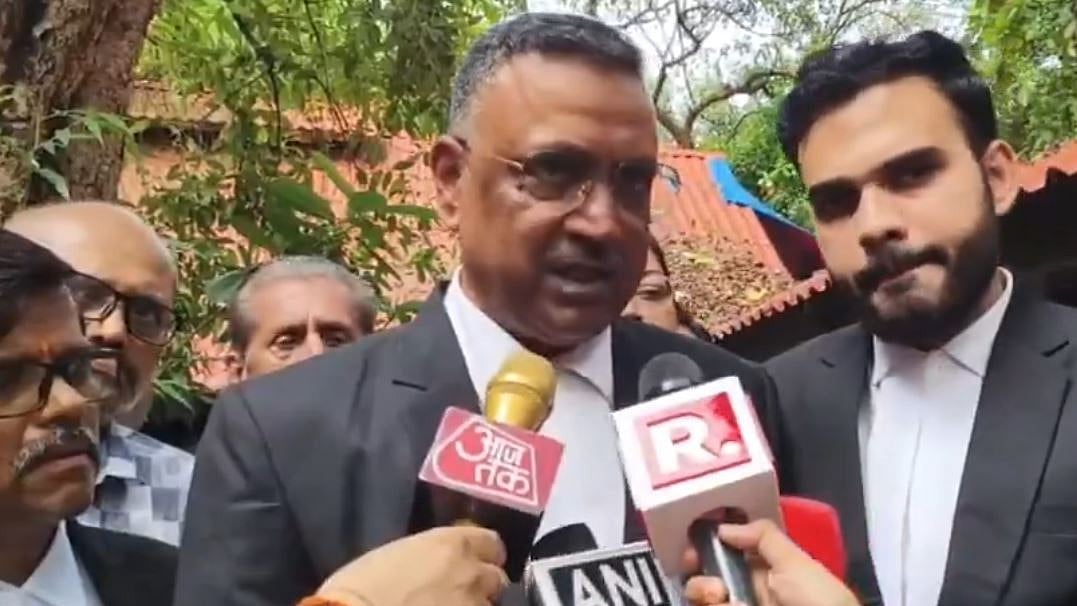
A Kalyan court has rejected an application seeking a virtual hearing for Shiv Sena corporator Ramesh Mhatre, who is accused of assaulting doctors and hospital staff at a Dombivli hospital. The court directed that Mhatre must be produced physically.
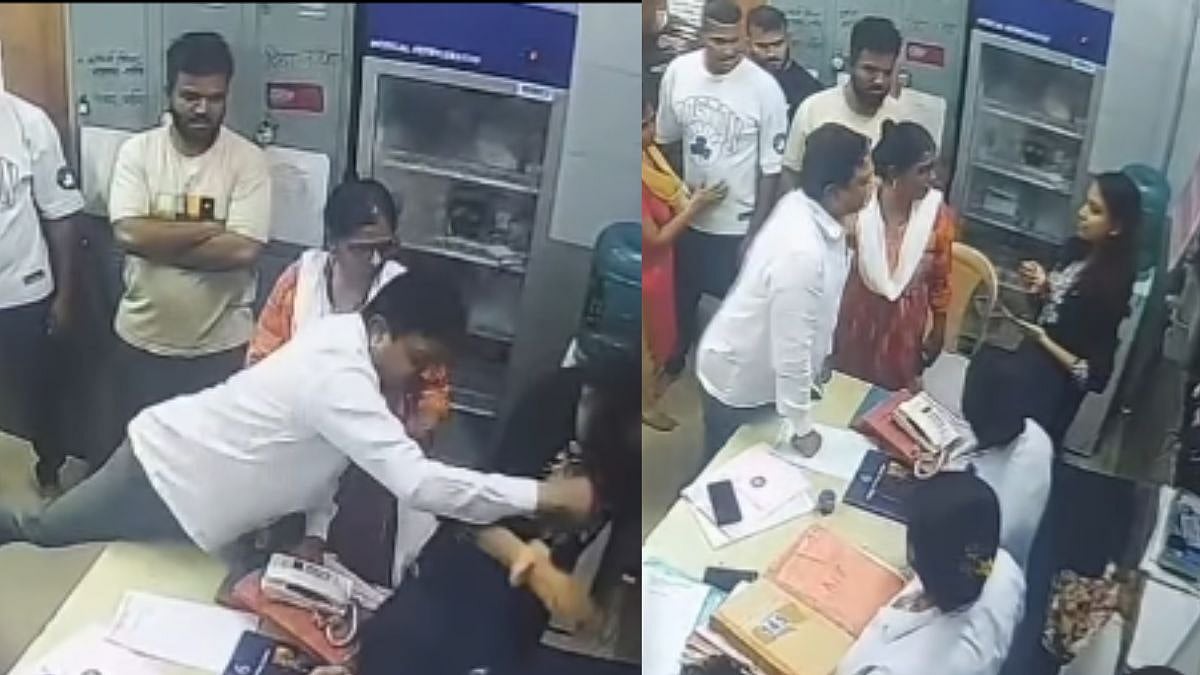
The 73-year-old corporator was arrested on Wednesday following widespread outrage over the assault, which was captured on video and circulated on social media. After his arrest, he was admitted to Thane Civil Hospital due to a deterioration in his health. Mhatre is currently undergoing treatment in the Intensive Care Unit (ICU) under specialist supervision.
According to doctors, Mhatre has only one kidney, is suffering from high blood pressure, and has complained of frequent vomiting. A medical bulletin on his condition is expected soon, after which a decision on his discharge will be taken.
The police had sought permission to produce Mhatre virtually, citing his medical condition. However, the court refused the plea, making it clear that neither police nor judicial custody would be granted until Mhatre is physically presented before the court.
The case stems from Monday's attack at a Dombivli hospital, where Mhatre and his aides allegedly assaulted two doctors, including a woman, and other staff. The attack occurred after a family complained that their newborn could not be admitted to the NICU due to a shortage of beds.
Despite the backlash, Mhatre has denied assaulting the woman doctor, claiming he only struck her mobile phone while trying to get her attention. However, the assaulted doctors have alleged receiving threats, and both the woman doctor and one of her colleagues have resigned, citing fear and concerns for their safety.
The incident has sparked widespread outrage, with many condemning the attack on medical staff. The court's decision to reject Mhatre's plea for a virtual hearing is seen as a significant development in the case.
The Kalyan court's stance on the matter is clear: Mhatre must be produced physically before the court, despite his medical condition. This decision is likely to have implications for the case, as well as for the broader issue of violence against medical staff.
In recent years, there have been several instances of violence against doctors and hospital staff in India. The incident in Dombivli is just one example of the challenges faced by medical professionals in the country.
The case is likely to be closely watched, given the high profile of the accused and the seriousness of the allegations. As the case progresses, it is likely to raise important questions about violence against medical staff and the need for greater protection and support for those working in the healthcare sector.
For Mumbai residents, the incident is a reminder of the importance of respecting and protecting medical staff. The city's hospitals and healthcare facilities are critical to the well-being of its citizens, and it is essential that those working in these facilities are able to do so without fear of violence or intimidation.
In conclusion, the Kalyan court's decision to reject Mhatre's plea for a virtual hearing is a significant development in the case. As the case progresses, it is likely to have important implications for the issue of violence against medical staff and the need for greater protection and support for those working in the healthcare sector.