Apollo Butterfly Population Rebounds, Faces New Threats
Apollo butterfly makes comeback, then faces habitat threats. Conservation efforts succeed, but new challenges arise.
'%3E%3Crect%20width%3D'96'%20height%3D'96'%20fill%3D'%23B3261E'%2F%3E%3Ccircle%20cx%3D'30'%20cy%3D'24'%20r%3D'44'%20fill%3D'%23fff'%20opacity%3D'.12'%2F%3E%3Ccircle%20cx%3D'60'%20cy%3D'74'%20r%3D'40'%20fill%3D'%23000'%20opacity%3D'.10'%2F%3E%3C%2Fg%3E%3Cg%20fill%3D'%23fff'%3E%3Crect%20x%3D'29'%20y%3D'49'%20width%3D'8'%20height%3D'19'%20rx%3D'1'%2F%3E%3Crect%20x%3D'39'%20y%3D'40'%20width%3D'9'%20height%3D'28'%20rx%3D'1'%2F%3E%3Crect%20x%3D'50'%20y%3D'45'%20width%3D'8'%20height%3D'23'%20rx%3D'1'%2F%3E%3Crect%20x%3D'60'%20y%3D'53'%20width%3D'7'%20height%3D'15'%20rx%3D'1'%2F%3E%3Crect%20x%3D'41'%20y%3D'34'%20width%3D'5'%20height%3D'6'%2F%3E%3C%2Fg%3E%3C%2Fsvg%3E)
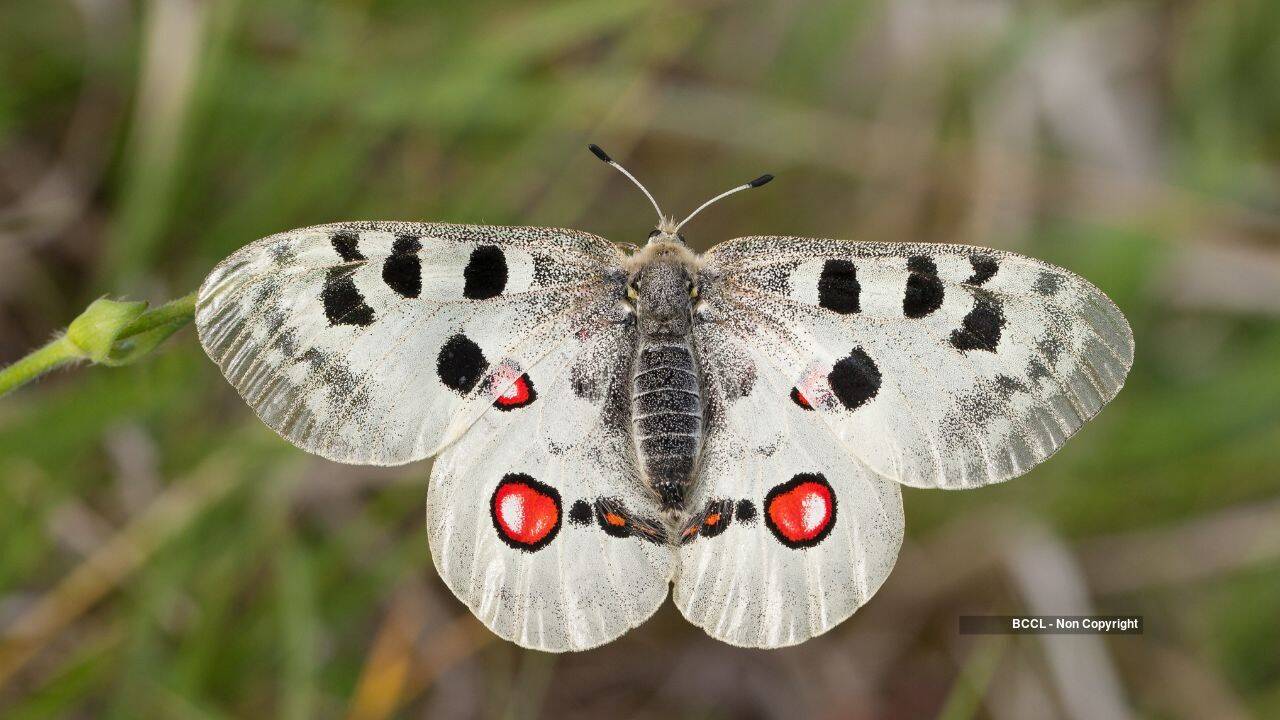
The Apollo butterfly, a species once on the brink of decline, made a remarkable comeback in 1986 thanks to the efforts of Czech conservationists. The population grew to over two thousand individuals, marking a significant success in conservation.
The conservation efforts were led by a team of dedicated professionals who worked tirelessly to create a suitable habitat for the butterflies. The initial results were promising, with the population showing a steady increase. However, as time passed, a new challenge emerged in the form of overgrown vegetation.
The habitat, which was once ideal for the Apollo butterflies, began to undergo succession, leading to a reduction in essential sunlight and open conditions. This, in turn, threatened the survival of the butterfly's larval food plants, putting the entire population at risk.
Conservationists soon realized that long-term habitat management was crucial for the species' recovery and future stability. The Apollo butterfly's story serves as a reminder that conservation is an ongoing process, requiring constant monitoring and adaptation to ensure the survival of endangered species.
The Apollo butterfly's population growth was a testament to the power of conservation efforts. The species, which was once on the decline, began to thrive in its newly created habitat. However, the subsequent threat posed by overgrown vegetation highlights the importance of sustained conservation efforts.
In order to mitigate the effects of habitat succession, conservationists must implement effective management strategies. This may involve regular maintenance of the habitat, including the removal of excess vegetation and the creation of open spaces. By doing so, conservationists can ensure that the Apollo butterfly population continues to thrive.
The story of the Apollo butterfly also underscores the importance of considering the long-term implications of conservation efforts. While initial successes may be promising, it is essential to recognize that conservation is an ongoing process, requiring constant attention and adaptation.
In conclusion, the Apollo butterfly's comeback is a remarkable story of conservation success, but it also highlights the challenges that lie ahead. As conservationists continue to work towards protecting endangered species, they must remain vigilant and adaptable, addressing new threats as they arise and ensuring the long-term stability of species populations.
The Apollo butterfly's population rebound is a significant achievement, and its story serves as a model for conservation efforts around the world. By learning from the successes and challenges faced by conservationists, we can work towards creating a more sustainable future for endangered species.
The conservation of the Apollo butterfly is an ongoing process, and its story will continue to unfold in the coming years. As we look to the future, it is essential to recognize the importance of sustained conservation efforts and the need for constant monitoring and adaptation.
In the end, the Apollo butterfly's story is a testament to the power of conservation and the importance of protecting endangered species. Its population rebound is a significant achievement, and its continued survival will depend on the ongoing efforts of conservationists.
The Apollo butterfly's comeback is a reminder that conservation is a complex and ongoing process, requiring constant attention and adaptation. By working together, we can ensure the long-term survival of endangered species and create a more sustainable future for all.
Frequently asked questions
What happened to the Apollo butterfly population in 1986?
The Apollo butterfly population was revived by Czech conservationists in 1986, and it grew to over two thousand individuals.
What is the current threat to the Apollo butterfly population?
The current threat to the Apollo butterfly population is the overgrown vegetation in its habitat, which reduces essential sunlight and open conditions, threatening the survival of its larval food plants.