Scientists Create Synthetic Cell-Like Structure
US researchers make breakthrough in synthetic biology, sparking hopes for new discoveries. Synthetic cell-like structure replicates life processes.

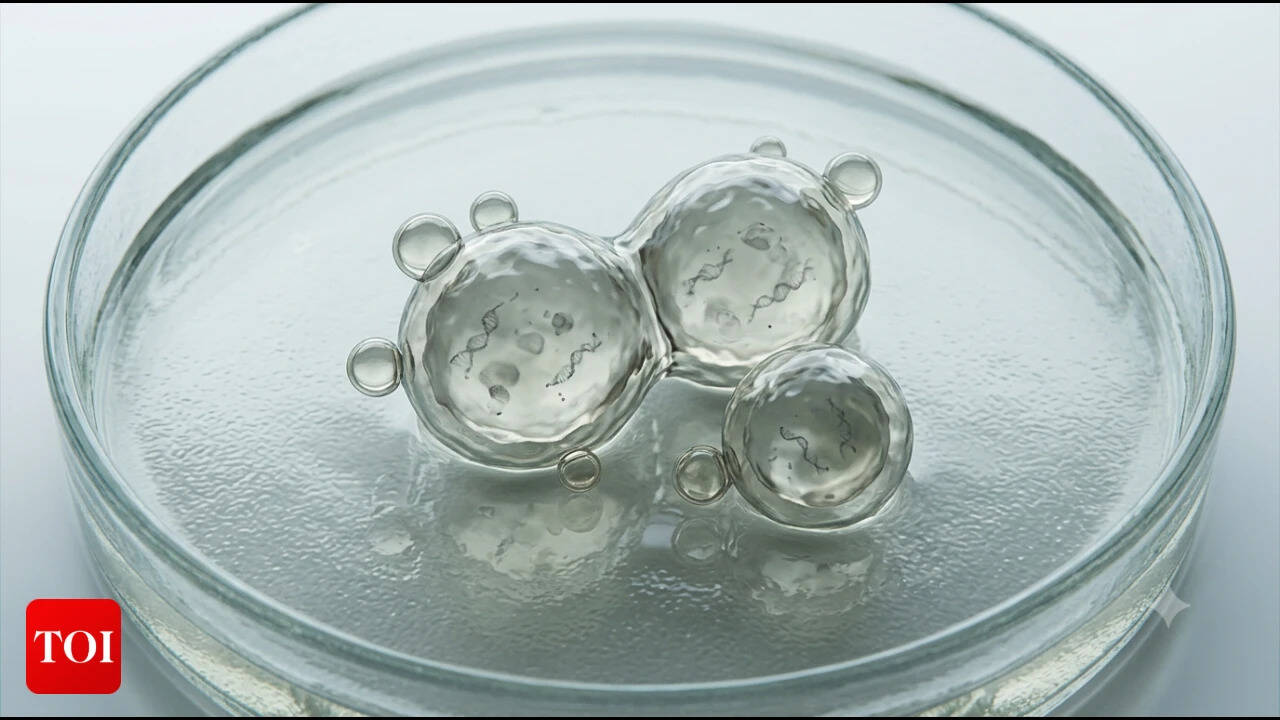
In a groundbreaking achievement, researchers at the University of Minnesota have successfully created a synthetic construct called the SpudCell, which mimics key life processes such as consumption, growth, genetic replication, and division. This innovative breakthrough, announced recently, has sent ripples of excitement through the scientific community, as it represents a significant advancement in the field of synthetic biology.
The team of researchers behind the SpudCell has engineered this synthetic construct from chemicals, allowing it to replicate certain life processes. Although the SpudCell is not considered living, it has the potential to spark a new wave of exploration into the fundamental principles of life. The creation of the SpudCell could be likened to a 'Sputnik' moment for synthetic life, marking the beginning of a new era in biological research.
According to the researchers, the SpudCell is a major breakthrough in synthetic biology, as it demonstrates the ability to engineer biological systems from scratch. This achievement has far-reaching implications, as it could lead to the development of new biological systems for diverse applications. The potential uses of synthetic biology are vast, ranging from the creation of new biofuels to the development of novel therapeutics.
The creation of the SpudCell has significant implications for our understanding of life and its fundamental processes. By replicating key life processes in a synthetic construct, researchers can gain valuable insights into the underlying mechanisms of life. This knowledge could be used to engineer new biological systems, leading to breakthroughs in fields such as medicine, agriculture, and energy.
As researchers continue to explore the possibilities of synthetic biology, the creation of the SpudCell marks an important milestone in this journey. The potential for synthetic biology to revolutionize various fields is vast, and the SpudCell is a significant step towards realizing this potential. With further research and development, synthetic biology could lead to major breakthroughs, transforming our understanding of life and its applications.
The future of synthetic biology holds much promise, and the creation of the SpudCell is an exciting development in this field. As scientists continue to push the boundaries of what is possible, we can expect to see major advancements in the years to come. The SpudCell may be just the beginning of a new era in synthetic life, and its implications are likely to be felt across various fields of research and application.
In conclusion, the creation of the SpudCell is a remarkable achievement in synthetic biology, marking a significant step towards the engineering of biological systems. With its potential to replicate key life processes, the SpudCell has sparked hopes for new discoveries and breakthroughs in various fields. As research in synthetic biology continues to advance, we can expect to see major developments in the years to come, transforming our understanding of life and its applications.