Delhi High Court Orders Paytm Payments Bank Winding Up
Paytm Payments Bank to be wound up, RBI licence cancelled. Liquidator appointed.
'%3E%3Crect%20width%3D'96'%20height%3D'96'%20fill%3D'%230B6E4F'%2F%3E%3Ccircle%20cx%3D'30'%20cy%3D'24'%20r%3D'44'%20fill%3D'%23fff'%20opacity%3D'.12'%2F%3E%3Ccircle%20cx%3D'60'%20cy%3D'74'%20r%3D'40'%20fill%3D'%23000'%20opacity%3D'.10'%2F%3E%3C%2Fg%3E%3Cg%20fill%3D'none'%20stroke%3D'%23fff'%20stroke-width%3D'3.2'%20stroke-linecap%3D'round'%20stroke-linejoin%3D'round'%3E%3Cpolyline%20points%3D'31%2C59%2041%2C49%2049%2C54%2063%2C37'%2F%3E%3Cpolyline%20points%3D'55%2C37%2063%2C37%2063%2C45'%2F%3E%3C%2Fg%3E%3C%2Fsvg%3E)
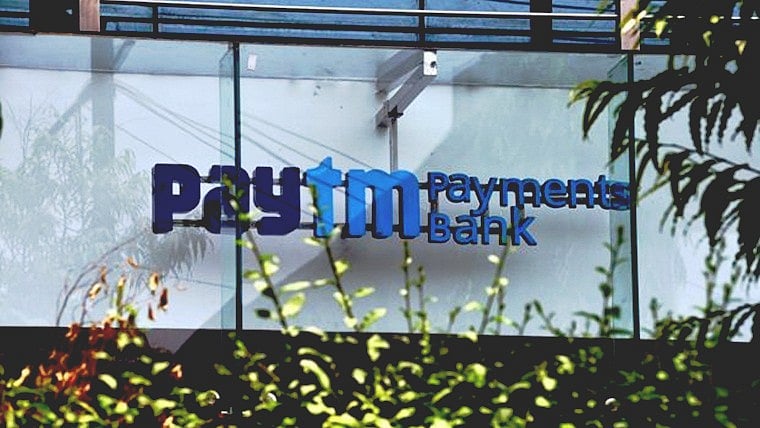
The Delhi High Court has ordered the winding up of Paytm Payments Bank Limited (PPBL) after the Reserve Bank of India (RBI) cancelled its banking licence in April. The RBI had cancelled the licence due to non-compliance with norms and the bank's affairs being conducted in a manner detrimental to the interest of its depositors.
The RBI had announced that it would be making an application for winding up of the bank before the High Court. Girikumar M Nair, former CGM of State Bank of India, has been appointed as the liquidator of PPBL. The High Court has ordered that PPBL be wound up under the provisions of the Banking Regulation Act, 1949 and the Companies Act, 2013.
The official liquidator will exercise all the powers prescribed under the provisions of the Banking Regulation Act, 1949 and the Companies Act, 2013. The RBI had cancelled the banking licence of PPBL with effect from April 24, 2026, under Section 22(4) of the Banking Regulation Act.
PPBL, an associate firm of Vijay Shekhar Sharma-promoted fintech firm Paytm, had come under the regulatory scanner on multiple occasions earlier. In March 2022, the central bank had barred it from onboarding new customers due to material supervisory concerns. The bank was also directed to stop onboarding new customers and appoint an IT audit firm to conduct a comprehensive system audit of its IT system.
In January and February 2024, certain business restrictions were imposed on the bank, including disallowing any further deposits/credits/top-ups in existing customer accounts, prepaid instruments, and wallets. The winding up of PPBL is a significant development in the Indian banking sector and highlights the importance of regulatory compliance.
The RBI's decision to cancel the licence and the High Court's order to wind up the bank are expected to have implications for the customers and stakeholders of PPBL. The liquidator will now take over the affairs of the bank and ensure that the winding up process is carried out in a fair and transparent manner.
The Paytm Payments Bank case highlights the need for strict regulatory oversight in the banking sector to protect the interests of depositors and maintain financial stability. The RBI's actions demonstrate its commitment to ensuring that banks operate in a safe and sound manner.
In conclusion, the winding up of Paytm Payments Bank is a significant development that underscores the importance of regulatory compliance and oversight in the Indian banking sector. The RBI's decision to cancel the licence and the High Court's order to wind up the bank are expected to have far-reaching implications for the banking sector and the customers of PPBL.
Frequently asked questions
Why was Paytm Payments Bank's licence cancelled?
The RBI cancelled the licence due to non-compliance with norms and the bank's affairs being conducted in a manner detrimental to the interest of its depositors.
Who has been appointed as the liquidator of PPBL?
Girikumar M Nair, former CGM of State Bank of India, has been appointed as the liquidator of PPBL.