SC To Examine Nandan Nilekani Panel Report On NEET-UG Exam Format
Supreme Court to review panel's recommendations on computer-based NEET-UG exam. Decision to be made after examining report.
'%3E%3Crect%20width%3D'96'%20height%3D'96'%20fill%3D'%23B3261E'%2F%3E%3Ccircle%20cx%3D'30'%20cy%3D'24'%20r%3D'44'%20fill%3D'%23fff'%20opacity%3D'.12'%2F%3E%3Ccircle%20cx%3D'60'%20cy%3D'74'%20r%3D'40'%20fill%3D'%23000'%20opacity%3D'.10'%2F%3E%3C%2Fg%3E%3Cg%20fill%3D'%23fff'%3E%3Crect%20x%3D'29'%20y%3D'49'%20width%3D'8'%20height%3D'19'%20rx%3D'1'%2F%3E%3Crect%20x%3D'39'%20y%3D'40'%20width%3D'9'%20height%3D'28'%20rx%3D'1'%2F%3E%3Crect%20x%3D'50'%20y%3D'45'%20width%3D'8'%20height%3D'23'%20rx%3D'1'%2F%3E%3Crect%20x%3D'60'%20y%3D'53'%20width%3D'7'%20height%3D'15'%20rx%3D'1'%2F%3E%3Crect%20x%3D'41'%20y%3D'34'%20width%3D'5'%20height%3D'6'%2F%3E%3C%2Fg%3E%3C%2Fsvg%3E)
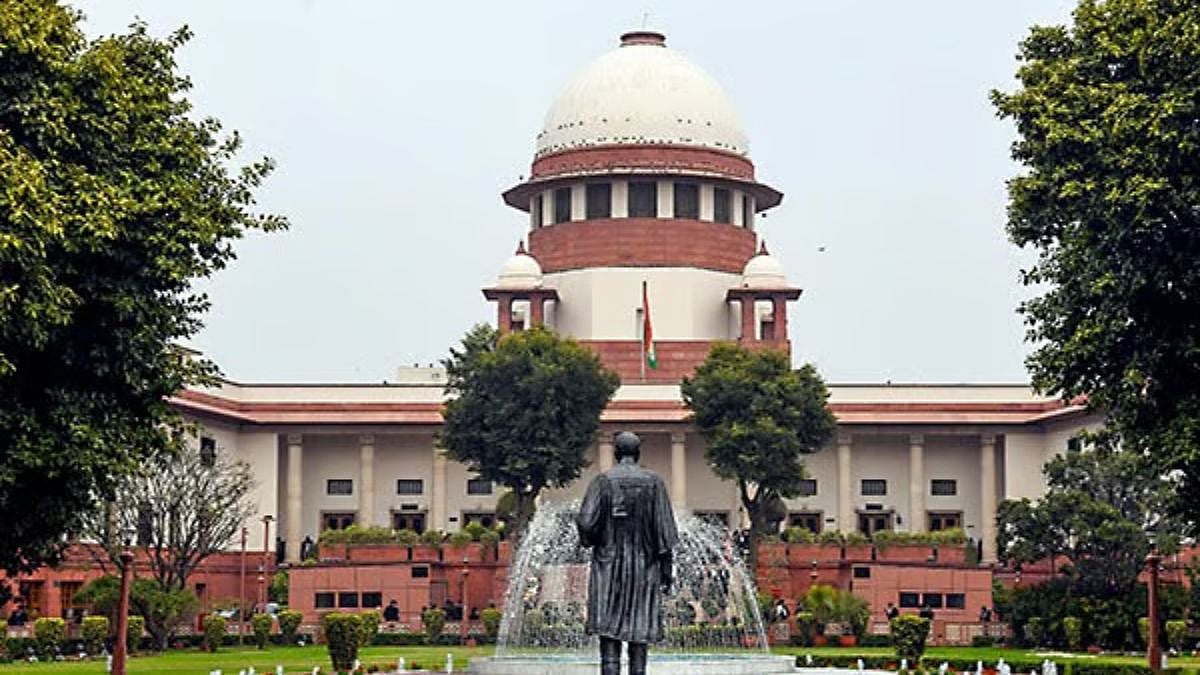
The Supreme Court has decided to examine the recommendations of a high-powered task force led by Infosys co-founder Nandan Nilekani before making a decision on whether to shift the NEET-UG examination from the existing pen-and-paper format to an online, computer-based test.
A bench of Justices PS Narasimha and Alok Aradhe made this observation on Monday while hearing a petition filed by RJD MP Sudhakar Singh. The petition is related to the NEET-UG examination and the demand for conducting the medical entrance test in computer-based mode.
The court indicated that such a major change in the country's largest medical entrance examination would require strong safeguards, particularly when it comes to cybersecurity and protection of sensitive candidate data. The bench observed that additional safeguards are needed with respect to cybersecurity and database protection.
The Centre informed the court that it had taken the concerns surrounding the NEET examination seriously and had constituted a high-level committee to suggest measures to strengthen the examination system. Solicitor General Tushar Mehta, appearing for the Centre, told the bench about the task force constituted by the government.
The panel, announced by the Prime Minister, is headed by Nandan Nilekani and includes former ISRO chairman S Somanath, former Intelligence Bureau director Tapan Deka, IIT Madras Director V Kamakoti, former Education Secretary Anita Karwal, and logistics expert Amrit Lal Meena.
After hearing the submissions, the bench decided to post Singh's petition for further hearing on August 3. The court is expected to consider the recommendations of the expert panel before proceeding further on the issue.
The Supreme Court had earlier declined to urgently hear Singh's plea seeking a re-test of NEET-UG 2026 in computer-based mode on June 21. However, the latest proceedings have brought the issue of a possible shift to online testing back into focus.
The court's observations suggest that while a computer-based NEET could be considered as part of wider examination reforms, issues such as cybersecurity, database protection, and the safety of the examination process would need to be addressed first.
The decision to shift to an online format is crucial as it affects the future of thousands of students who appear for the NEET-UG examination every year. The Supreme Court's decision will be closely watched by students, parents, and educators across the country.
In conclusion, the Supreme Court's decision to examine the Nandan Nilekani panel's report is a significant step towards ensuring that the NEET-UG examination is conducted in a fair and secure manner. The court's emphasis on cybersecurity and database protection highlights the importance of safeguarding sensitive candidate data.
The outcome of this case will have far-reaching implications for the education sector in India. It will be interesting to see how the Supreme Court's decision shapes the future of the NEET-UG examination and the country's education system as a whole.
The Supreme Court's decision is expected to be made after considering the recommendations of the expert panel. The court's observations and decisions will be closely watched by all stakeholders involved in the NEET-UG examination process.
The issue of shifting to an online format is not just about changing the mode of examination, but also about ensuring that the process is secure, fair, and transparent. The Supreme Court's decision will play a crucial role in shaping the future of the NEET-UG examination and the education sector in India.
The court's emphasis on cybersecurity and database protection is a significant aspect of the case. The Supreme Court's decision will highlight the importance of safeguarding sensitive candidate data and ensuring that the examination process is secure and fair.
In the end, the Supreme Court's decision will be a significant step towards ensuring that the NEET-UG examination is conducted in a fair and secure manner. The decision will have far-reaching implications for the education sector in India and will be closely watched by all stakeholders involved in the process.
Frequently asked questions
What is the current status of the NEET-UG exam format case?
The Supreme Court has decided to examine the recommendations of a high-powered task force led by Nandan Nilekani before making a decision on whether to shift the NEET-UG examination from the existing pen-and-paper format to an online, computer-based test.
What are the key concerns in shifting to an online format?
The key concerns in shifting to an online format are cybersecurity and database protection, as well as ensuring that the examination process is secure, fair, and transparent.