Illinois Expressway Uses Coal Fly Ash in 1972
Illinois expressway uses coal fly ash, shows structural integrity. Monitoring finds no major issues.
'%3E%3Crect%20width%3D'96'%20height%3D'96'%20fill%3D'%23B3261E'%2F%3E%3Ccircle%20cx%3D'30'%20cy%3D'24'%20r%3D'44'%20fill%3D'%23fff'%20opacity%3D'.12'%2F%3E%3Ccircle%20cx%3D'60'%20cy%3D'74'%20r%3D'40'%20fill%3D'%23000'%20opacity%3D'.10'%2F%3E%3C%2Fg%3E%3Cg%20fill%3D'%23fff'%3E%3Crect%20x%3D'29'%20y%3D'49'%20width%3D'8'%20height%3D'19'%20rx%3D'1'%2F%3E%3Crect%20x%3D'39'%20y%3D'40'%20width%3D'9'%20height%3D'28'%20rx%3D'1'%2F%3E%3Crect%20x%3D'50'%20y%3D'45'%20width%3D'8'%20height%3D'23'%20rx%3D'1'%2F%3E%3Crect%20x%3D'60'%20y%3D'53'%20width%3D'7'%20height%3D'15'%20rx%3D'1'%2F%3E%3Crect%20x%3D'41'%20y%3D'34'%20width%3D'5'%20height%3D'6'%2F%3E%3C%2Fg%3E%3C%2Fsvg%3E)
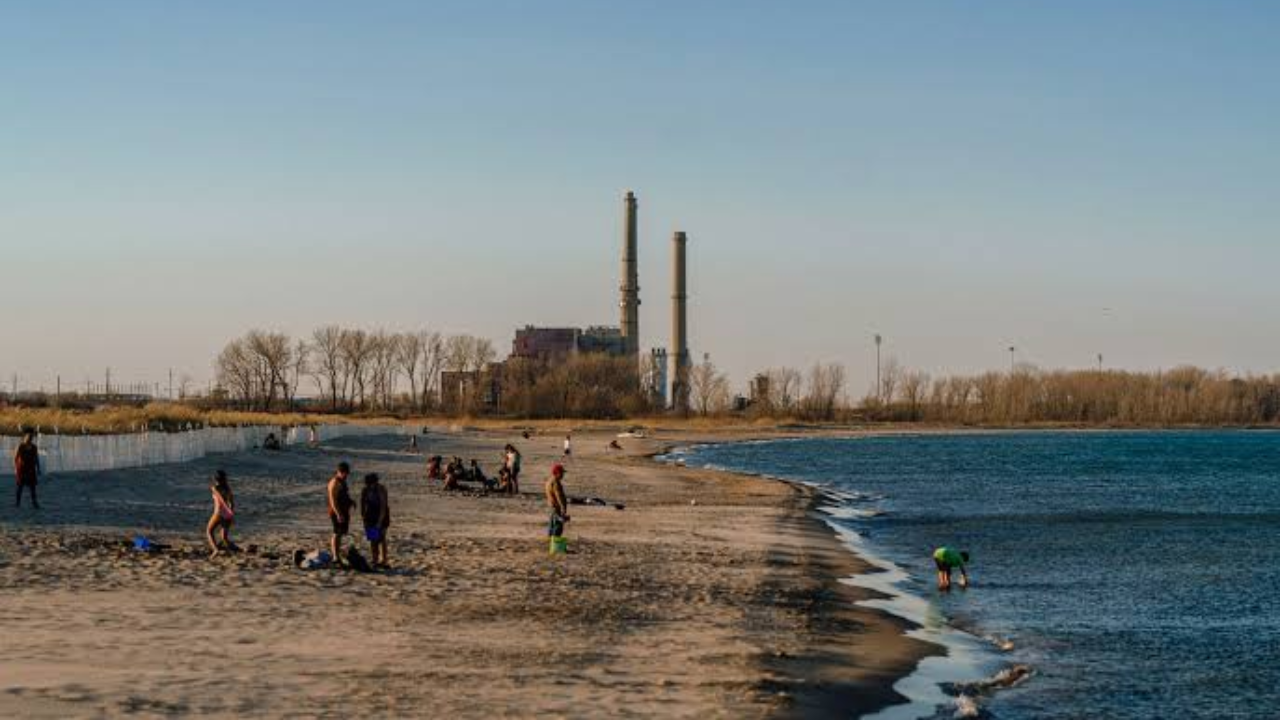
A pioneering project in Illinois, USA, used coal fly ash as a highway embankment fill in 1972, demonstrating exceptional structural integrity over the years. The project was closely monitored, and the results showed no significant concerns with settlement, frost heave, or groundwater contamination.
The use of coal fly ash in this project was a groundbreaking initiative that showcased the potential of industrial byproducts in construction. The success of this project encouraged other states to adopt fly ash recycling standards, promoting the use of alternative materials in infrastructure development.
The Illinois expressway project is a notable example of innovative construction practices that can reduce the environmental impact of infrastructure development. By using coal fly ash, a byproduct of coal combustion, the project reduced the need for natural aggregates, which are often extracted from quarries and can have significant environmental consequences.
The monitoring of the project revealed that the coal fly ash performed well, with no major issues reported. This is a significant finding, as it suggests that industrial byproducts can be used as a viable alternative to natural aggregates in construction. The use of coal fly ash also reduces the amount of waste sent to landfills, which is a major environmental concern.
The success of the Illinois expressway project has far-reaching implications for the construction industry. It demonstrates that innovative materials and practices can be used to reduce the environmental impact of infrastructure development, while also providing cost-effective and durable solutions.
In recent years, there has been a growing interest in the use of alternative materials in construction, driven by concerns about the environmental impact of traditional materials. The Illinois expressway project is an example of how innovative materials and practices can be used to reduce the environmental footprint of infrastructure development.
The project's findings have been widely recognized, and it has become a model for other states and countries to follow. The use of coal fly ash in construction has the potential to reduce greenhouse gas emissions, conserve natural resources, and promote sustainable development.
In conclusion, the Illinois expressway project is a significant example of innovative construction practices that can reduce the environmental impact of infrastructure development. The use of coal fly ash as a highway embankment fill has demonstrated exceptional structural integrity, and the project's findings have far-reaching implications for the construction industry.
Frequently asked questions
What was used as highway embankment fill in the Illinois expressway project?
Coal fly ash was used as highway embankment fill in the Illinois expressway project.
What were the results of the monitoring of the project?
The monitoring of the project revealed no significant concerns with settlement, frost heave, or groundwater contamination.