MIT Robot Explores Arctic Ice
MIT's robot ventures beneath Arctic ice, sending back data at 1.2 KB per second. Discover the mission's details and significance.
'%3E%3Crect%20width%3D'96'%20height%3D'96'%20fill%3D'%23B3261E'%2F%3E%3Ccircle%20cx%3D'30'%20cy%3D'24'%20r%3D'44'%20fill%3D'%23fff'%20opacity%3D'.12'%2F%3E%3Ccircle%20cx%3D'60'%20cy%3D'74'%20r%3D'40'%20fill%3D'%23000'%20opacity%3D'.10'%2F%3E%3C%2Fg%3E%3Cg%20fill%3D'%23fff'%3E%3Crect%20x%3D'29'%20y%3D'49'%20width%3D'8'%20height%3D'19'%20rx%3D'1'%2F%3E%3Crect%20x%3D'39'%20y%3D'40'%20width%3D'9'%20height%3D'28'%20rx%3D'1'%2F%3E%3Crect%20x%3D'50'%20y%3D'45'%20width%3D'8'%20height%3D'23'%20rx%3D'1'%2F%3E%3Crect%20x%3D'60'%20y%3D'53'%20width%3D'7'%20height%3D'15'%20rx%3D'1'%2F%3E%3Crect%20x%3D'41'%20y%3D'34'%20width%3D'5'%20height%3D'6'%2F%3E%3C%2Fg%3E%3C%2Fsvg%3E)
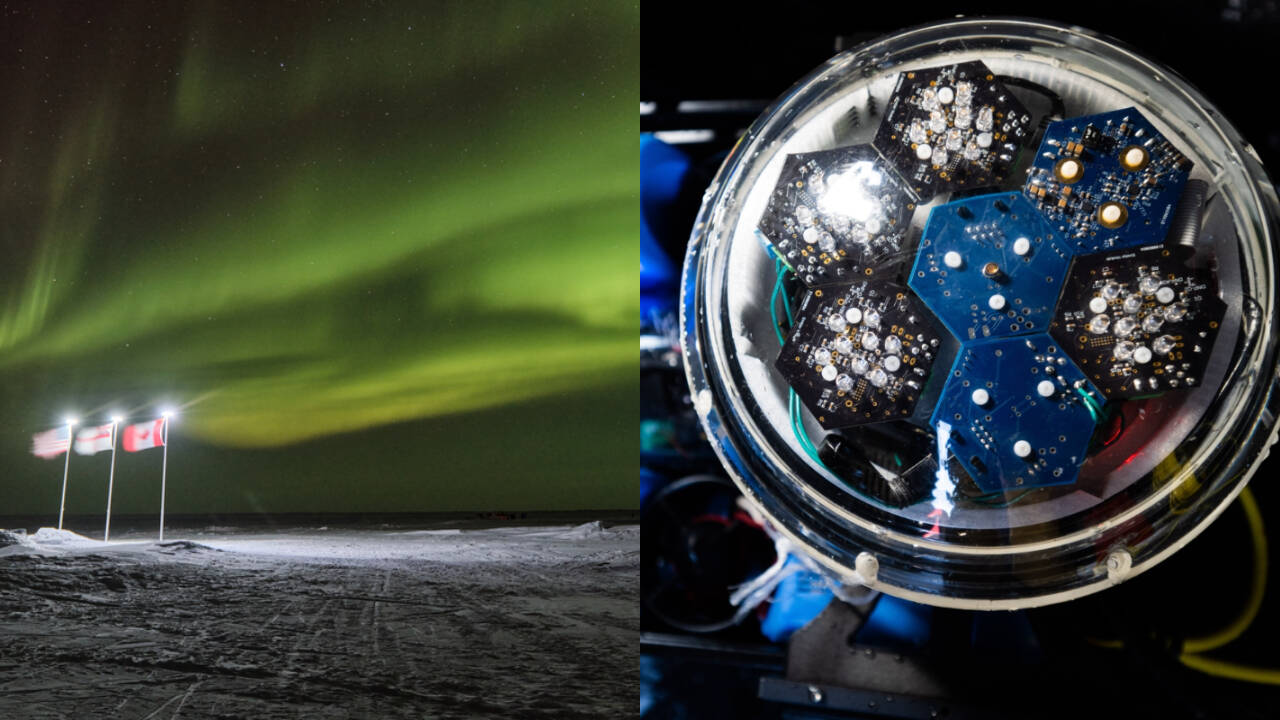
A team of researchers from the Massachusetts Institute of Technology (MIT) has successfully sent a robot beneath the Arctic ice, marking a significant milestone in the field of underwater exploration. The robot, equipped with advanced sensors and communication equipment, is transmitting valuable data back to the researchers at a rate of 1.2 kilobytes per second.
The mission aims to gather crucial information about the Arctic environment, including water temperature, salinity, and marine life. By exploring the uncharted territory beneath the ice, the researchers hope to gain a better understanding of the complex interactions between the ocean, ice, and atmosphere.
The Arctic region is of particular interest to scientists due to its rapid warming and potential impact on global climate patterns. The data collected by the MIT robot will contribute to a larger body of research, helping scientists to better understand the effects of climate change on the Arctic ecosystem.
The robot's ability to transmit data in real-time is a significant achievement, considering the challenging environment it is operating in. The icy waters and limited communication infrastructure make it difficult to send and receive data, but the MIT team has developed innovative solutions to overcome these hurdles.
The success of this mission demonstrates the potential for robotic exploration in extreme environments, paving the way for future research endeavors. As the world grapples with the challenges of climate change, the data collected by the MIT robot will provide valuable insights into the complex dynamics of the Arctic region.
The MIT team's achievement is a testament to the power of interdisciplinary research, combining expertise from fields such as robotics, oceanography, and climate science. The collaboration has yielded a significant breakthrough, with far-reaching implications for our understanding of the Earth's systems.
In the context of the rapidly changing Arctic environment, the MIT robot's mission is a timely and important contribution to the scientific community. The data collected will help researchers to better understand the complex interactions between the ocean, ice, and atmosphere, ultimately informing strategies for mitigating the effects of climate change.
The significance of this mission extends beyond the scientific community, as it highlights the potential for technological innovation to drive discovery and exploration. The development of advanced robots and communication systems has enabled the MIT team to access and study environments that were previously inaccessible, opening up new avenues for research and discovery.
In conclusion, the MIT robot's journey beneath the Arctic ice marks a significant milestone in the field of underwater exploration, demonstrating the potential for robotic research in extreme environments. The data collected will contribute to a deeper understanding of the Arctic ecosystem, ultimately informing strategies for addressing the challenges of climate change.
Frequently asked questions
What is the purpose of the MIT robot's mission?
The mission aims to gather information about the Arctic environment, including water temperature, salinity, and marine life.
How is the robot transmitting data?
The robot is transmitting data at a rate of 1.2 kilobytes per second, despite the challenging environment.