SC Upholds Right To Peaceful Protest, Seeks Police Protocol
SC says agitation alone can't justify lathi-charge, seeks uniform police guidelines.
'%3E%3Crect%20width%3D'96'%20height%3D'96'%20fill%3D'%231A5276'%2F%3E%3Ccircle%20cx%3D'30'%20cy%3D'24'%20r%3D'44'%20fill%3D'%23fff'%20opacity%3D'.12'%2F%3E%3Ccircle%20cx%3D'60'%20cy%3D'74'%20r%3D'40'%20fill%3D'%23000'%20opacity%3D'.10'%2F%3E%3C%2Fg%3E%3Cg%20fill%3D'%23fff'%3E%3Cpath%20d%3D'M31%2041%20L48%2031%20L65%2041%20Z'%2F%3E%3Crect%20x%3D'33'%20y%3D'43'%20width%3D'4'%20height%3D'17'%2F%3E%3Crect%20x%3D'41'%20y%3D'43'%20width%3D'4'%20height%3D'17'%2F%3E%3Crect%20x%3D'51'%20y%3D'43'%20width%3D'4'%20height%3D'17'%2F%3E%3Crect%20x%3D'59'%20y%3D'43'%20width%3D'4'%20height%3D'17'%2F%3E%3Crect%20x%3D'30'%20y%3D'62'%20width%3D'36'%20height%3D'4'%20rx%3D'1'%2F%3E%3C%2Fg%3E%3C%2Fsvg%3E)
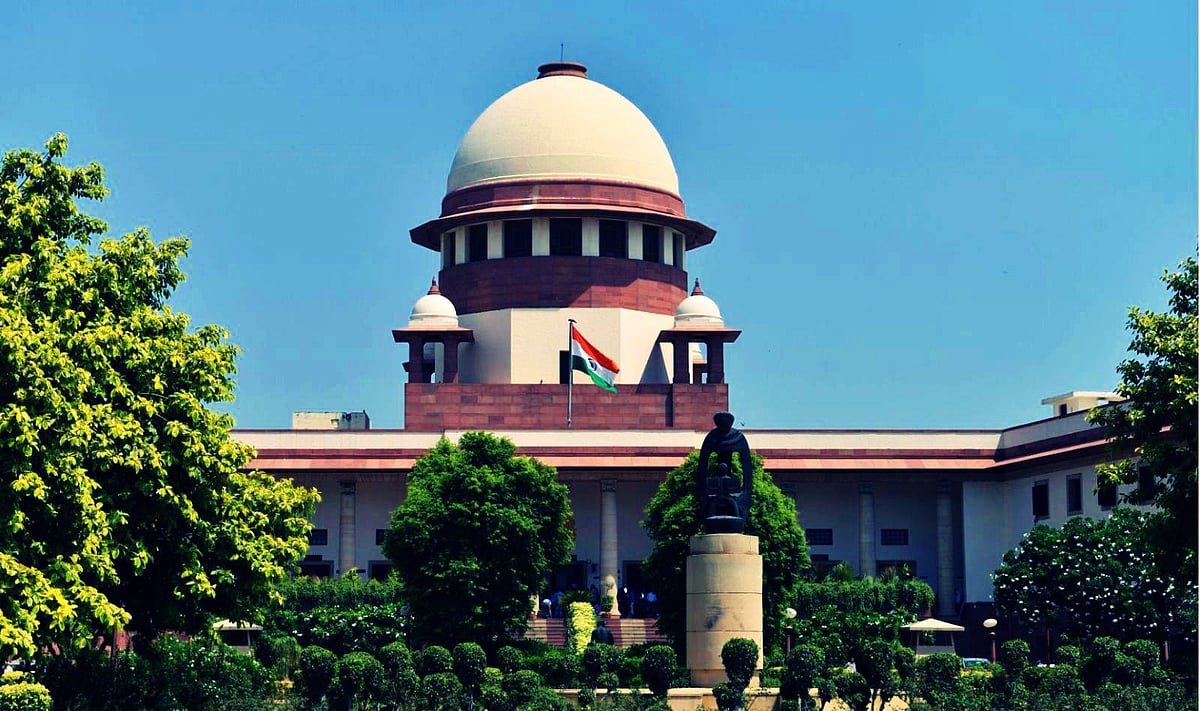
The Supreme Court on Monday emphasized that the Constitution guarantees the right to peaceful and lawful protest. A bench comprising Chief Justice of India Surya Kant and Justices Joymalya Bagchi and V Mohana observed that peaceful protests are constitutionally protected and that law enforcement authorities cannot resort to lathi-charge solely because people are agitating.
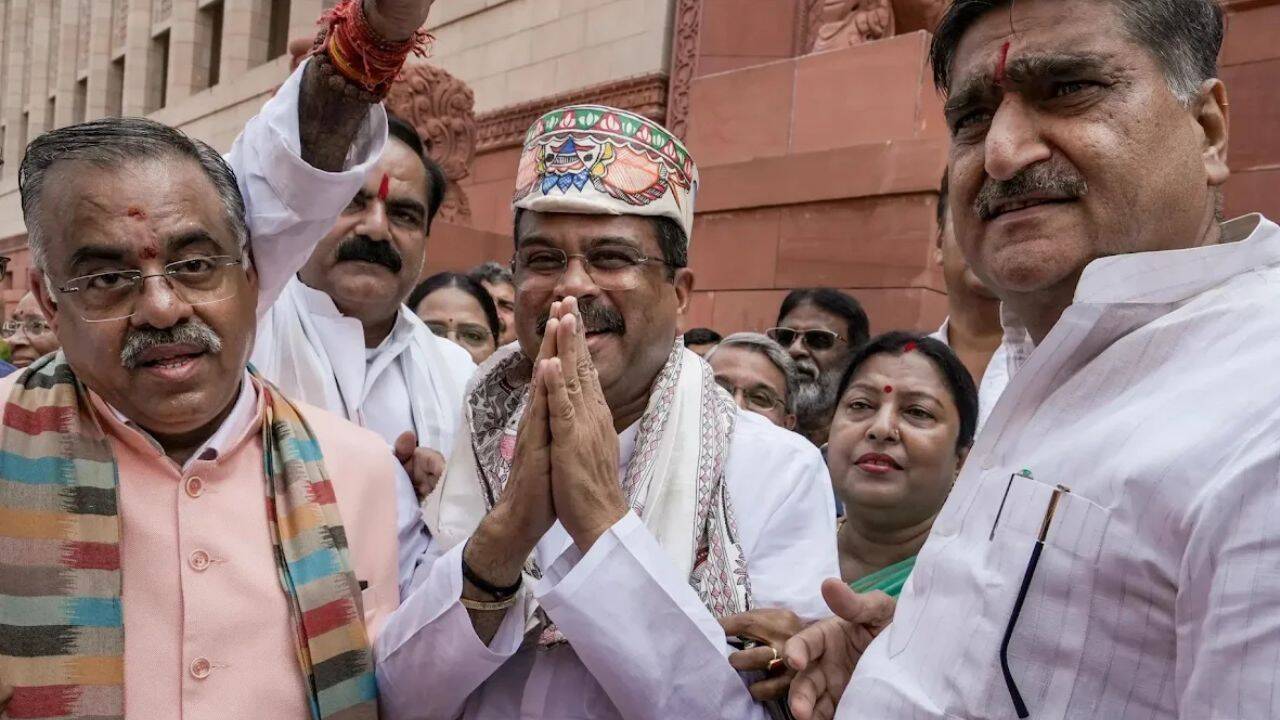
The bench made these observations while hearing a batch of petitions relating to alleged police excesses against students protesting examination paper leaks. The students had participated in protests at Jantar Mantar and other places across the country, demanding the resignation of Union Education Minister Dharmendra Pradhan.
The Chief Justice of India stated that the right to peaceful, lawful protest is absolutely guaranteed under the Constitution. He added that merely because there is agitation, there cannot be a lathi-charge, and that any allegation of excessive police action must be impartially scrutinized.
The bench also emphasized the need for uniform guidelines governing police response to public demonstrations and protests across the country. The CJI remarked that there should be a protocol in place, with proper space and no restriction, but that anti-social elements can be taken care of.
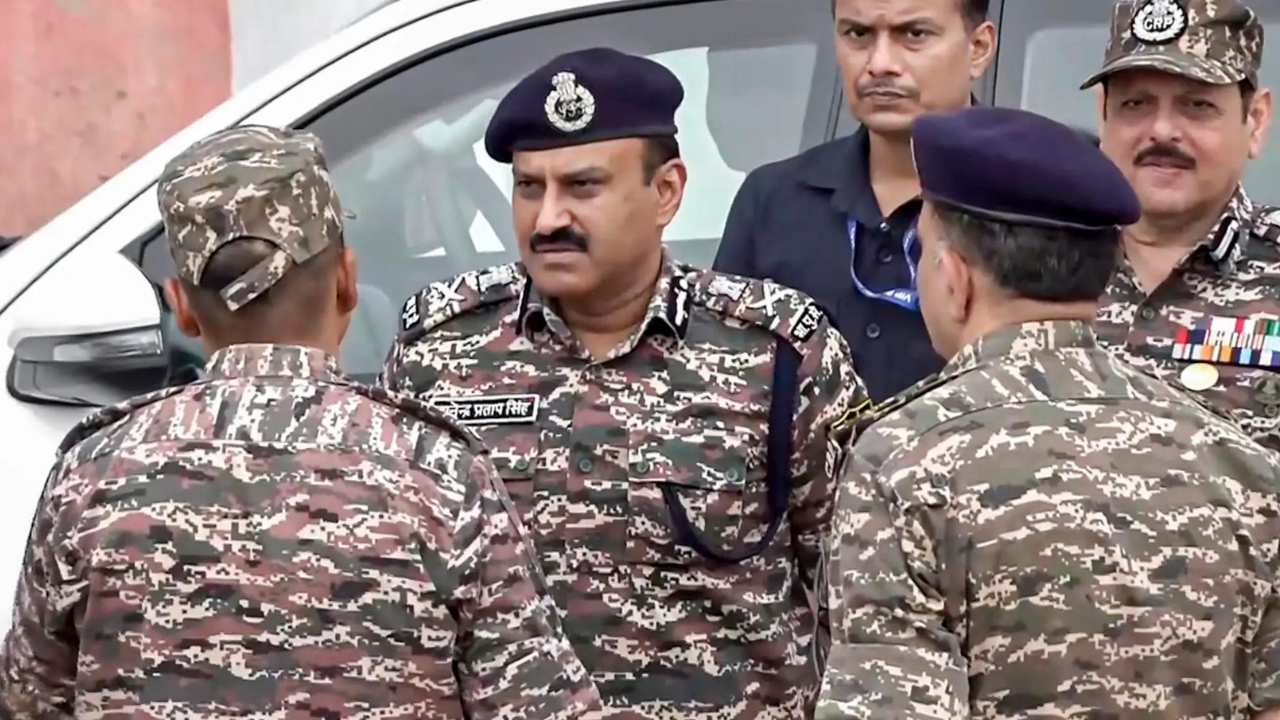
The court's observations came after families of police officers who were injured during the protests approached the apex court, saying that policemen were kicked and lynched. The bench allowed their application to be listed along with other petitions alleging police excesses.
The court also noted that the life of every individual, irrespective of who they are, is important. Justice Joymalya Bagchi said that injuries suffered by police personnel and protesters deserve equal concern, and that the state may be called upon to explain why adequate equipment was not given to police to handle such situations.
Advocate Fauzia Shakil, appearing for one of the petitioners, told the bench that security forces used AK 47 and other weapons during the Bihar bandh. The apex court said it will hear all the pleas together on July 28.
The Supreme Court's observations are significant, as they uphold the right to peaceful protest and emphasize the need for police accountability. The court's decision to hear all the pleas together on July 28 is expected to provide further clarity on the issue.
The right to peaceful protest is a fundamental right guaranteed by the Constitution, and it is essential that law enforcement authorities respect this right. The Supreme Court's observations are a reminder that the use of force by police can only be justified in exceptional circumstances, and that allegations of excessive police action must be impartially scrutinized.
In the context of the ongoing protests against examination paper leaks, the Supreme Court's observations are particularly relevant. The protests have drawn thousands of students from across the country, and have highlighted the need for police accountability and the protection of the right to peaceful protest.
In conclusion, the Supreme Court's observations on the right to peaceful protest and police accountability are significant, and are expected to have far-reaching implications for the protection of human rights in India.
Frequently asked questions
What did the Supreme Court say about the right to peaceful protest?
The Supreme Court said that the right to peaceful, lawful protest is absolutely guaranteed under the Constitution, and that agitation alone cannot justify the use of force by police.
What is the next step in the case?
The apex court will hear all the pleas together on July 28.