Dharavi Panel Reviews 590 Religious Structures
A state panel is deciding the fate of 590 religious structures in Dharavi, Mumbai. The panel will determine which ones can stay, move, or be removed.

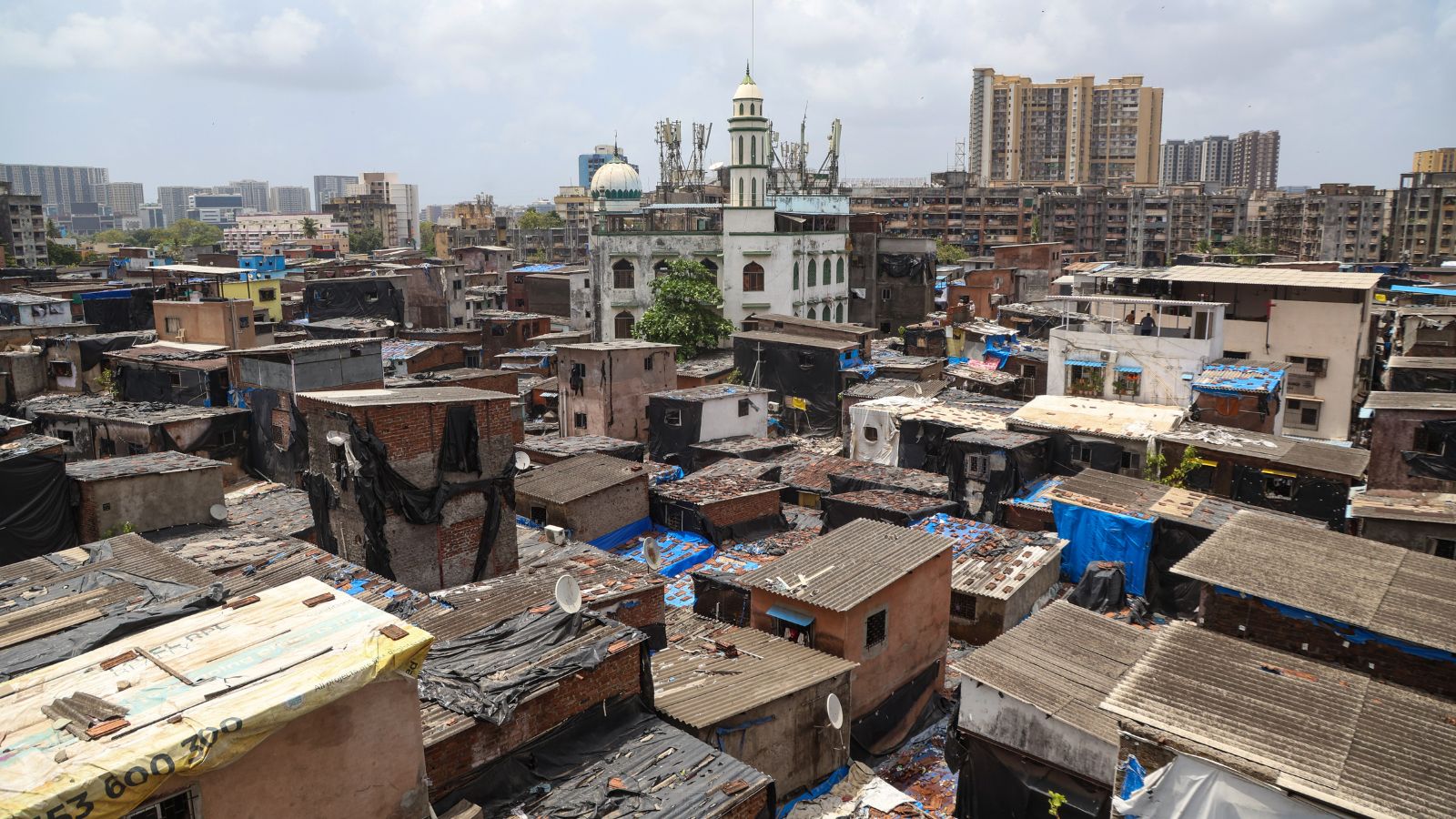
Mumbai's Dharavi area is home to 590 religious structures, and a state panel has started reviewing each one to decide its fate. The panel's decision will determine which structures can remain in their current location, which ones need to be relocated, and which ones will be removed.
The state panel, tasked with this responsibility, will assess each structure based on certain criteria. The panel's decision-making process is expected to be thorough and fair, taking into account the sentiments of the local community and the structural integrity of each building.
Dharavi, known for being one of the largest slums in Asia, is a densely populated area with a diverse population. The presence of 590 religious structures in this area is a testament to the community's strong faith and spiritual beliefs. However, the area's congested streets and narrow alleys have raised concerns about safety and accessibility.
The state government's decision to review these structures is part of a broader effort to improve the infrastructure and living conditions in Dharavi. The government has been working on a redevelopment plan for the area, which includes upgrading the sewage system, building new roads, and providing better housing facilities for the residents.
The redevelopment plan has been in the works for several years, but it has faced numerous delays and challenges. The presence of religious structures has been one of the major hurdles in the redevelopment process. The state panel's decision will play a crucial role in determining the fate of these structures and paving the way for the area's redevelopment.
Dharavi's residents have expressed mixed reactions to the state panel's review. While some have welcomed the move, citing the need for better infrastructure and living conditions, others have expressed concerns about the potential displacement of religious structures. The local community has been actively engaged in the decision-making process, and their feedback and suggestions will be taken into account by the state panel.
The state panel's review of the religious structures in Dharavi is a complex and sensitive issue. The panel must balance the need for redevelopment with the community's emotional and spiritual attachment to these structures. The decision will have a significant impact on the lives of Dharavi's residents and the future of the area.
In the coming weeks and months, the state panel will continue to review each of the 590 religious structures in Dharavi. The panel's decision will be closely watched by the local community, and its outcome will have far-reaching implications for the area's redevelopment and the lives of its residents.
The fate of Dharavi's religious structures is a significant issue that affects not only the local community but also the city of Mumbai as a whole. The state panel's decision will set a precedent for the redevelopment of other densely populated areas in the city, and its outcome will be closely watched by urban planners, policymakers, and residents alike.
In conclusion, the state panel's review of the religious structures in Dharavi is a critical step towards the area's redevelopment. The panel's decision will determine the fate of 590 religious structures and will have a significant impact on the lives of Dharavi's residents. As the panel continues its review, the local community and the city of Mumbai await the outcome with bated breath.