Tribal Villagers Protest Land Acquisition in MP's Aalirajpur
Thousands rally against land acquisition, demand gram sabha rights. Protesters submit resolutions, seek fertiliser distribution reform.
'%3E%3Crect%20width%3D'96'%20height%3D'96'%20fill%3D'%231A5276'%2F%3E%3Ccircle%20cx%3D'30'%20cy%3D'24'%20r%3D'44'%20fill%3D'%23fff'%20opacity%3D'.12'%2F%3E%3Ccircle%20cx%3D'60'%20cy%3D'74'%20r%3D'40'%20fill%3D'%23000'%20opacity%3D'.10'%2F%3E%3C%2Fg%3E%3Cg%20fill%3D'%23fff'%3E%3Cpath%20d%3D'M31%2041%20L48%2031%20L65%2041%20Z'%2F%3E%3Crect%20x%3D'33'%20y%3D'43'%20width%3D'4'%20height%3D'17'%2F%3E%3Crect%20x%3D'41'%20y%3D'43'%20width%3D'4'%20height%3D'17'%2F%3E%3Crect%20x%3D'51'%20y%3D'43'%20width%3D'4'%20height%3D'17'%2F%3E%3Crect%20x%3D'59'%20y%3D'43'%20width%3D'4'%20height%3D'17'%2F%3E%3Crect%20x%3D'30'%20y%3D'62'%20width%3D'36'%20height%3D'4'%20rx%3D'1'%2F%3E%3C%2Fg%3E%3C%2Fsvg%3E)
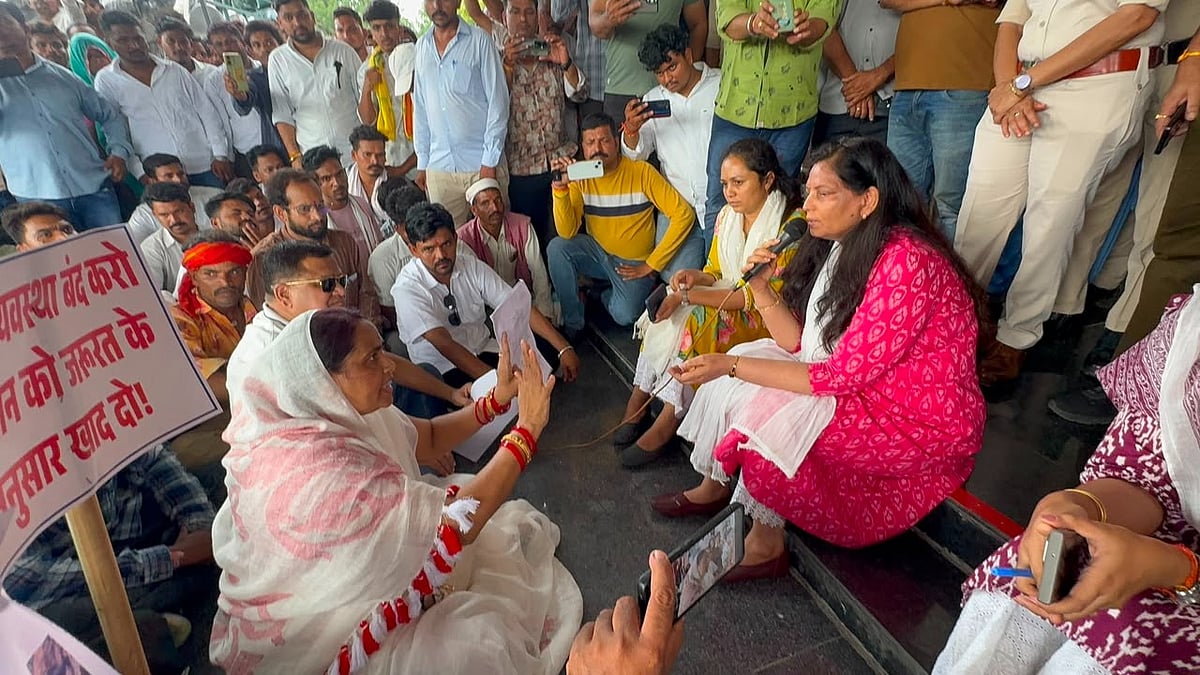
Thousands of tribal villagers, farmers, and women gathered at the Aalirajpur collectorate in Madhya Pradesh on Tuesday to protest against the proposed land acquisition for various development projects, mineral blocks, and fertiliser shortages.
The protest was led by Jobat MLA Sena Mahesh Patel and Tribal Development Council state vice-president Mahesh Patel. The rally began at the Ramdev Temple complex and marched to the collectorate, with protesters carrying placards and raising slogans demanding the protection of tribal rights over land, forests, and natural resources.
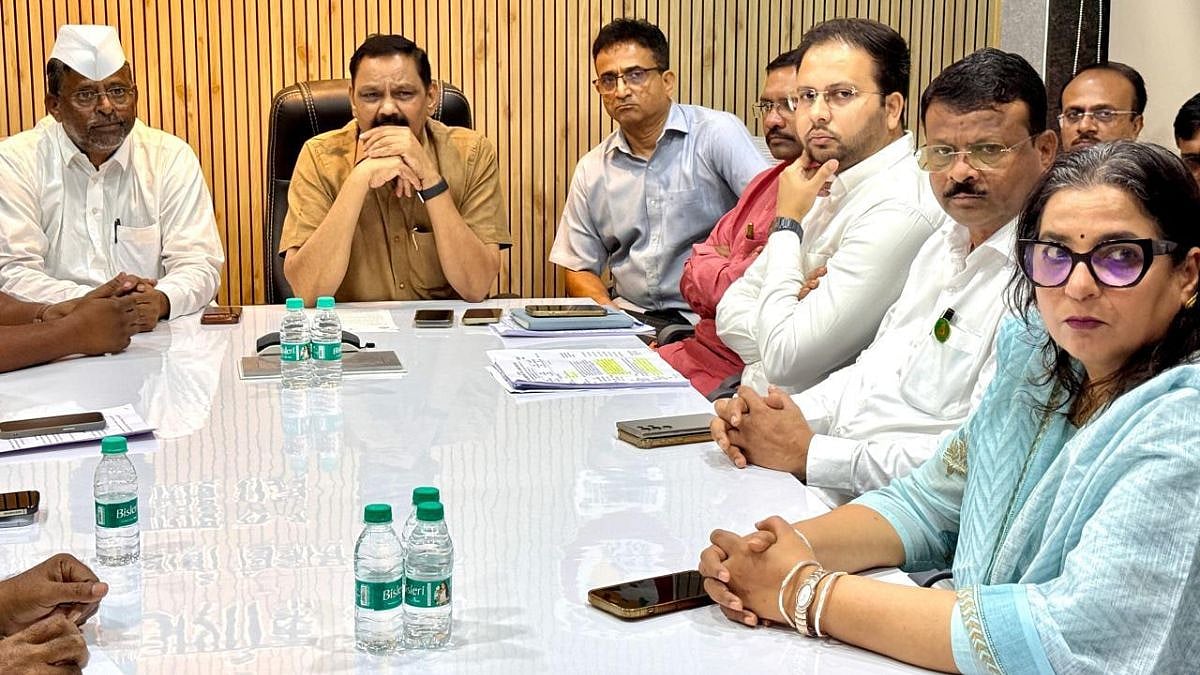
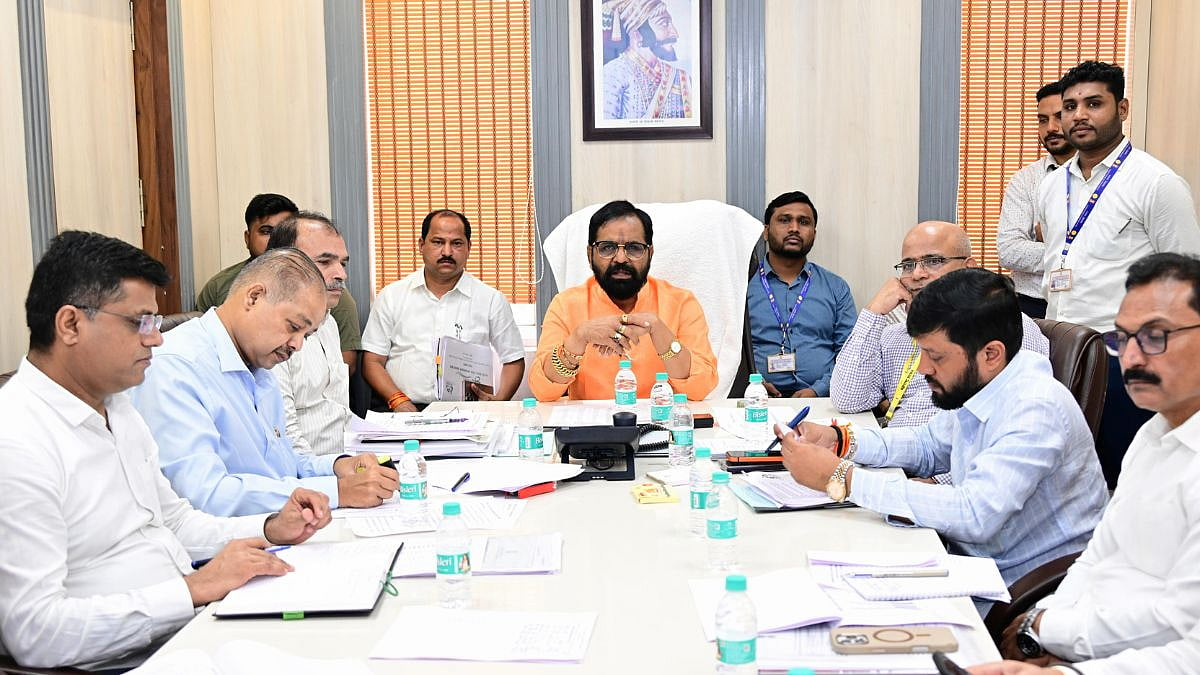
At the collectorate, protesters initially refused to submit their memorandum to the SDM and additional collector, insisting on speaking directly with the collector. The collector later met the demonstrators and heard their concerns while sitting among them.
Representatives submitted resolutions passed by gram sabhas of Semliya, Mota Umar, and Juwari panchayats, stating that they would not give their land for the proposed projects. The administration acknowledged that letters had been received from the Centre and the Madhya Pradesh government seeking proposals from gram sabhas and said the resolutions would be forwarded to higher authorities.
The protesters also raised concerns over fertiliser availability and demanded an end to the token system, seeking distribution on the basis of Aadhaar and land records. The leaders said tribal land rights and gram sabha decisions must be respected.
The protest highlights the long-standing issue of land acquisition and the rights of tribal communities in India. The Scheduled Tribes and Other Traditional Forest Dwellers (Recognition of Forest Rights) Act, 2006, recognizes the rights of forest-dwelling tribes to their land and resources. However, the implementation of this act has been slow, and many tribal communities continue to face threats to their land and livelihoods.
The Madhya Pradesh government has been pushing for various development projects, including mining and infrastructure development, which have led to concerns about the displacement of tribal communities and the destruction of their habitats. The protesters are demanding that their rights be respected and that they be consulted before any decisions are made about their land.
The issue of fertiliser availability is also a major concern for farmers in the region. The token system has been criticized for being inefficient and corrupt, and many farmers are demanding a more transparent and equitable system of distribution.
The protest in Aalirajpur is a testament to the growing resistance among tribal communities against the exploitation of their land and resources. It highlights the need for the government to respect the rights of tribal communities and to involve them in decision-making processes that affect their lives and livelihoods.
The outcome of the protest is still uncertain, but it has brought attention to the issues faced by tribal communities in Madhya Pradesh. The government will need to address these concerns and work towards finding a solution that respects the rights of tribal communities and promotes their development and well-being.
In conclusion, the protest in Aalirajpur is an important reminder of the need to respect the rights of tribal communities and to involve them in decision-making processes. It highlights the need for the government to address the concerns of tribal communities and to work towards finding a solution that promotes their development and well-being.
Frequently asked questions
What were the tribal villagers protesting in Aalirajpur?
The tribal villagers were protesting against the proposed land acquisition for various development projects, mineral blocks, and fertiliser shortages.
What are the protesters demanding?
The protesters are demanding that their gram sabha rights be respected and that they be consulted before any decisions are made about their land. They are also demanding an end to the token system for fertiliser distribution and seeking distribution on the basis of Aadhaar and land records.