Invasive Fish Threaten Philippines Crater Lake
Human-bred fish escape into Lake Sampaloc, posing biodiversity risk. Native fish under threat.
'%3E%3Crect%20width%3D'96'%20height%3D'96'%20fill%3D'%23B3261E'%2F%3E%3Ccircle%20cx%3D'30'%20cy%3D'24'%20r%3D'44'%20fill%3D'%23fff'%20opacity%3D'.12'%2F%3E%3Ccircle%20cx%3D'60'%20cy%3D'74'%20r%3D'40'%20fill%3D'%23000'%20opacity%3D'.10'%2F%3E%3C%2Fg%3E%3Cg%20fill%3D'%23fff'%3E%3Crect%20x%3D'29'%20y%3D'49'%20width%3D'8'%20height%3D'19'%20rx%3D'1'%2F%3E%3Crect%20x%3D'39'%20y%3D'40'%20width%3D'9'%20height%3D'28'%20rx%3D'1'%2F%3E%3Crect%20x%3D'50'%20y%3D'45'%20width%3D'8'%20height%3D'23'%20rx%3D'1'%2F%3E%3Crect%20x%3D'60'%20y%3D'53'%20width%3D'7'%20height%3D'15'%20rx%3D'1'%2F%3E%3Crect%20x%3D'41'%20y%3D'34'%20width%3D'5'%20height%3D'6'%2F%3E%3C%2Fg%3E%3C%2Fsvg%3E)
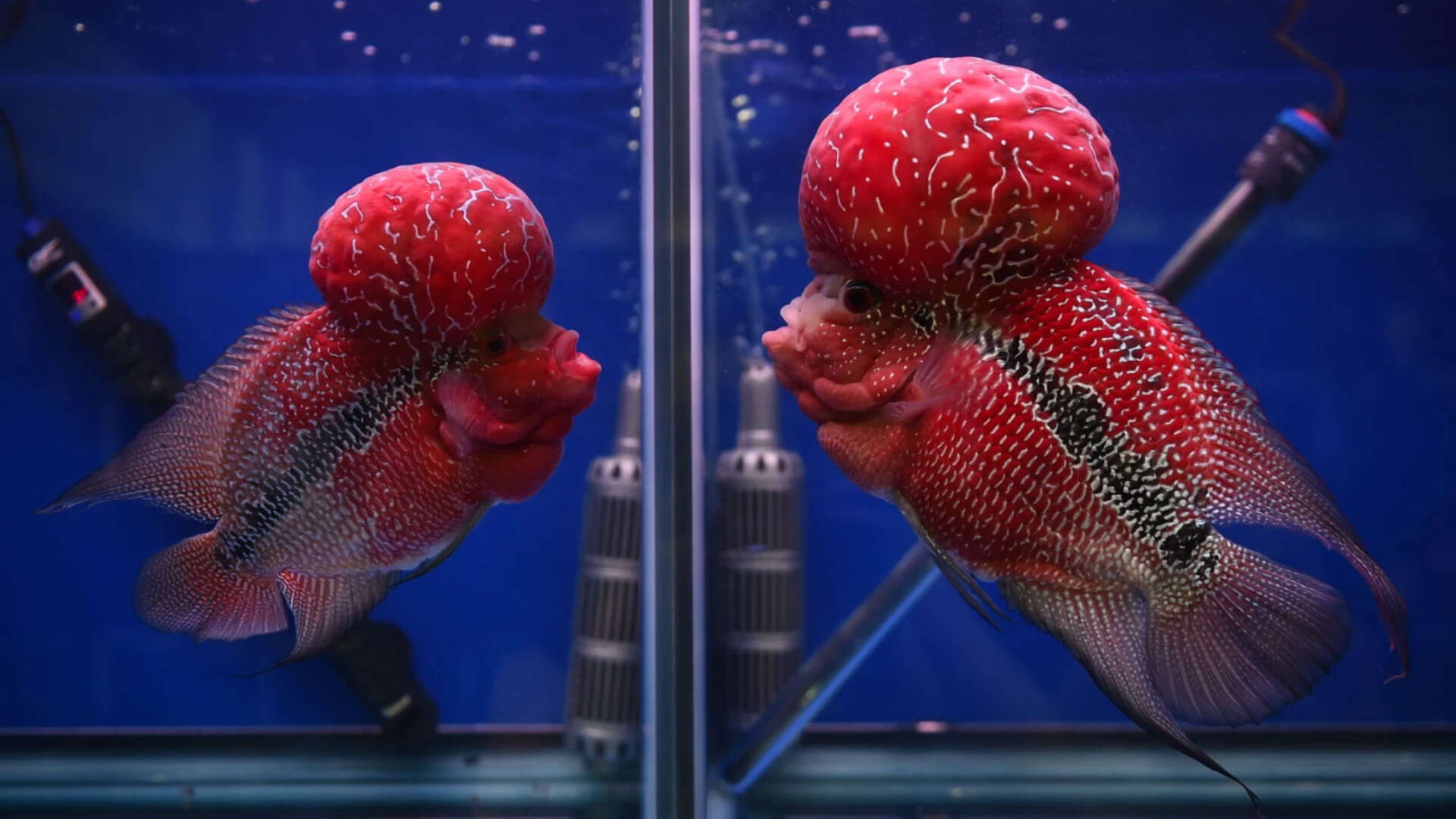
A species of human-bred fish, known as Flowerhorn cichlids, has escaped into Lake Sampaloc, a crater lake in the Philippines. This incident has raised concerns among experts, who warn that the presence of these fish poses a significant threat to the local ecosystem. The invasive fish are competing aggressively with the native ayungin fish, disrupting the delicate balance of the lake's aquaculture.
The Flowerhorn cichlids, which were originally bred by humans for ornamental purposes, have found their way into the lake through unknown means. Experts speculate that they may have been released into the lake by aquarium owners or may have escaped from fish farms. Regardless of the cause, the effect is clear: the native fish population is under threat.
The introduction of non-native species into an ecosystem can have far-reaching consequences, including the transmission of diseases and the disruption of the food chain. In this case, the Flowerhorn cichlids are not only competing with the native ayungin fish for food and resources, but they are also at risk of transmitting diseases to the native population.
The rapid expansion of the invasive species is a pressing concern, as it can lead to the decline of the native fish population and potentially even drive them to extinction. Experts are urging authorities to take immediate action to mitigate the effects of the invasive species and prevent further damage to the ecosystem.
The incident highlights a broader global issue: the impact of domesticated animals on natural habitats. As humans continue to breed and introduce non-native species into ecosystems, the risk of disrupting the delicate balance of nature increases. It is essential to take a proactive approach to preventing the introduction of invasive species and to mitigate the effects of those that have already been introduced.
The Philippines is not alone in facing this challenge. Many countries around the world are struggling to deal with the impact of invasive species on their ecosystems. It is a complex issue that requires a coordinated effort from governments, conservationists, and local communities to address.
In the case of Lake Sampaloc, experts are calling for a comprehensive plan to be put in place to manage the invasive species and protect the native fish population. This may involve measures such as removing the invasive fish from the lake, implementing controls on the introduction of non-native species, and educating the public about the risks associated with releasing domesticated animals into the wild.
Ultimately, the incident serves as a reminder of the importance of responsible animal ownership and the need to protect natural habitats from the introduction of non-native species. By taking a proactive approach to addressing this issue, we can help to preserve the delicate balance of ecosystems and prevent the decline of native species.
The situation in Lake Sampaloc is a pressing concern that requires immediate attention. If left unchecked, the invasive species could have devastating consequences for the native fish population and the ecosystem as a whole. It is essential that authorities take swift action to address this issue and prevent further damage to the environment.
The incident also underscores the need for greater awareness and education about the risks associated with invasive species. By raising awareness about the potential consequences of introducing non-native species into ecosystems, we can work towards preventing similar incidents in the future.
In conclusion, the presence of human-bred fish in Lake Sampaloc poses a significant threat to the local ecosystem. It is essential that authorities take immediate action to mitigate the effects of the invasive species and prevent further damage to the environment. By working together, we can help to preserve the delicate balance of ecosystems and protect native species from the risks associated with invasive species.