Brazil Removes 500 Lionfish
Brazil pays $10 per lionfish caught, nearly 500 removed in a month.
'%3E%3Crect%20width%3D'96'%20height%3D'96'%20fill%3D'%23B3261E'%2F%3E%3Ccircle%20cx%3D'30'%20cy%3D'24'%20r%3D'44'%20fill%3D'%23fff'%20opacity%3D'.12'%2F%3E%3Ccircle%20cx%3D'60'%20cy%3D'74'%20r%3D'40'%20fill%3D'%23000'%20opacity%3D'.10'%2F%3E%3C%2Fg%3E%3Cg%20fill%3D'%23fff'%3E%3Crect%20x%3D'29'%20y%3D'49'%20width%3D'8'%20height%3D'19'%20rx%3D'1'%2F%3E%3Crect%20x%3D'39'%20y%3D'40'%20width%3D'9'%20height%3D'28'%20rx%3D'1'%2F%3E%3Crect%20x%3D'50'%20y%3D'45'%20width%3D'8'%20height%3D'23'%20rx%3D'1'%2F%3E%3Crect%20x%3D'60'%20y%3D'53'%20width%3D'7'%20height%3D'15'%20rx%3D'1'%2F%3E%3Crect%20x%3D'41'%20y%3D'34'%20width%3D'5'%20height%3D'6'%2F%3E%3C%2Fg%3E%3C%2Fsvg%3E)
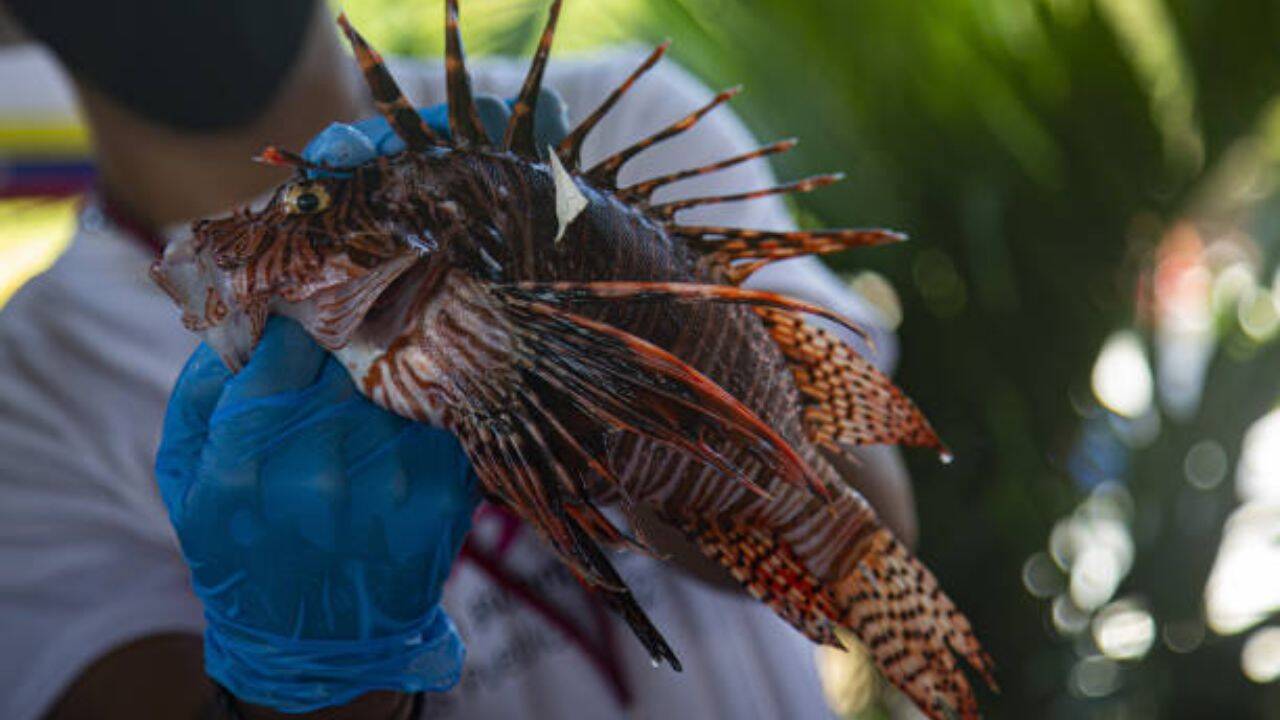
Brazil's Porto Seguro has taken a significant step in combating the lionfish invasion by introducing a reward system. The local authorities are paying $10 for each lionfish caught, resulting in the removal of nearly 500 invasive fish from the waters within a month. This initiative aims to manage the lionfish population before it causes irreparable damage to the local ecosystem.
The lionfish invasion is a growing concern in Brazil, with the species threatening the native marine life. The introduction of the reward system has encouraged local fishermen and residents to participate in the removal efforts. The authorities are working closely with the community to ensure the success of the initiative.
The removal of nearly 500 lionfish is a significant achievement, and the authorities are hopeful that this will help to mitigate the impact of the invasion. However, the problem is far from over, and continued efforts are needed to ensure the long-term health of the ecosystem.
In addition to the removal efforts, research initiatives are being launched to study the ecological impact of the lionfish invasion. This will help to better understand the effects of the invasion and inform future management strategies. The research will focus on the impact of the lionfish on the region's coastlines and the native marine species.
The lionfish invasion is a complex problem that requires a multi-faceted approach. The combination of removal efforts and research initiatives is a positive step towards managing the population and mitigating the impact of the invasion. The authorities are committed to continuing their efforts to protect the local ecosystem and ensure the long-term health of the marine environment.
The success of the reward system in Porto Seguro could serve as a model for other regions affected by the lionfish invasion. The initiative has demonstrated the effectiveness of community-led removal efforts and the importance of collaboration between authorities and local residents.
In conclusion, the removal of nearly 500 lionfish from the waters of Porto Seguro is a significant achievement, and the continued efforts of the authorities and local community are crucial in managing the population and protecting the local ecosystem. The initiative serves as an example of the importance of proactive management and community engagement in addressing environmental issues.
The Brazilian government's efforts to combat the lionfish invasion are part of a broader strategy to protect the country's marine environment. The government is working to raise awareness about the impact of invasive species and the importance of conservation efforts. The removal of the lionfish is a positive step towards achieving this goal, and the authorities are committed to continuing their efforts to protect the marine ecosystem.
The lionfish invasion is not only a problem in Brazil but also in other parts of the world. The species has been introduced to many regions, causing significant damage to the local ecosystems. The experience of Porto Seguro could serve as a model for other regions, demonstrating the effectiveness of community-led removal efforts and the importance of collaboration between authorities and local residents.
In the long term, the success of the initiative will depend on the continued engagement of the local community and the authorities' commitment to managing the lionfish population. The removal of nearly 500 lionfish is a positive step, but it is only the beginning of a long-term effort to protect the local ecosystem. The authorities are hopeful that the initiative will serve as a model for other regions and contribute to the global efforts to combat the lionfish invasion.
The initiative has also highlighted the importance of research and monitoring in managing invasive species. The study of the ecological impact of the lionfish invasion will provide valuable insights into the effects of the species on the native marine life and the ecosystem as a whole. This information will be crucial in informing future management strategies and ensuring the long-term health of the marine environment.
In conclusion, the removal of nearly 500 lionfish from the waters of Porto Seguro is a significant achievement, and the continued efforts of the authorities and local community are crucial in managing the population and protecting the local ecosystem. The initiative serves as an example of the importance of proactive management and community engagement in addressing environmental issues, and its success could have far-reaching implications for the management of invasive species in other regions.
Frequently asked questions
What is the reward for catching a lionfish in Porto Seguro?
The reward is $10 per lionfish caught.
How many lionfish have been removed from the waters of Porto Seguro?
Nearly 500 lionfish have been removed within a month.