EU Condemns Ceuta Border Crossings, Vows Support For Spain
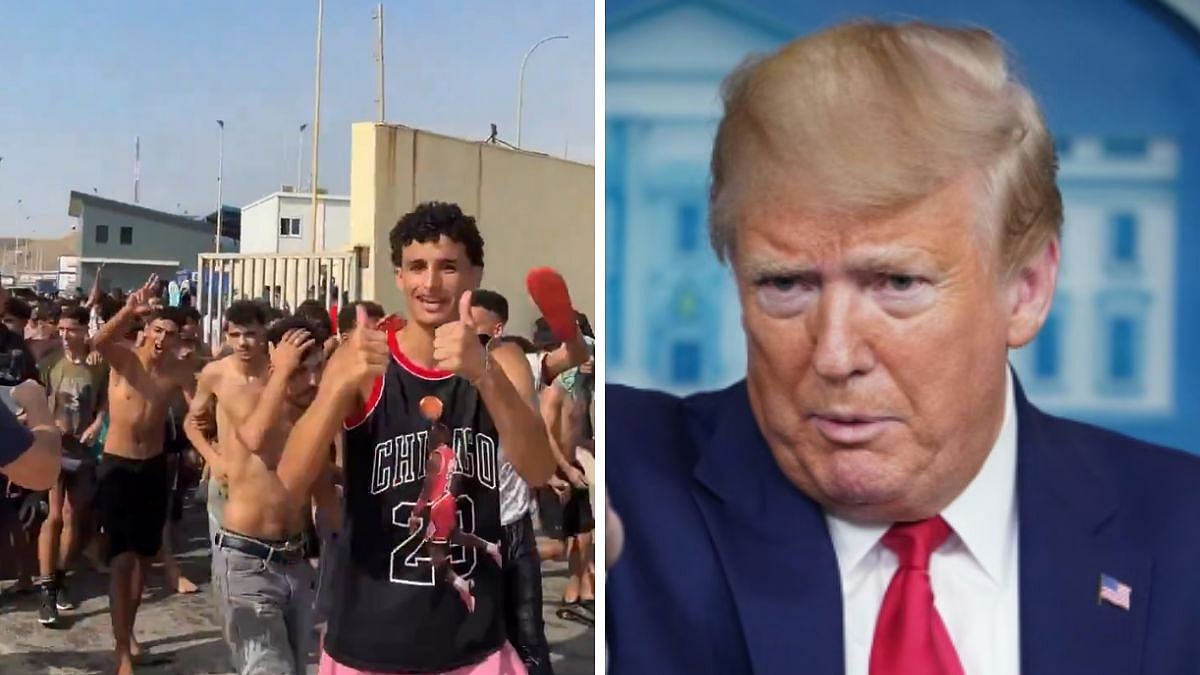
EU Chief Ursula von der Leyen condemns Ceuta border situation, vows support for Spain. Thousands of migrants cross from Morocco, sparking crisis.
'%3E%3Crect%20width%3D'96'%20height%3D'96'%20fill%3D'%234A235A'%2F%3E%3Ccircle%20cx%3D'30'%20cy%3D'24'%20r%3D'44'%20fill%3D'%23fff'%20opacity%3D'.12'%2F%3E%3Ccircle%20cx%3D'60'%20cy%3D'74'%20r%3D'40'%20fill%3D'%23000'%20opacity%3D'.10'%2F%3E%3C%2Fg%3E%3Cg%20fill%3D'none'%20stroke%3D'%23fff'%20stroke-width%3D'3'%3E%3Ccircle%20cx%3D'48'%20cy%3D'48'%20r%3D'16'%2F%3E%3Cellipse%20cx%3D'48'%20cy%3D'48'%20rx%3D'6.5'%20ry%3D'16'%2F%3E%3Cline%20x1%3D'32'%20y1%3D'42'%20x2%3D'64'%20y2%3D'42'%2F%3E%3Cline%20x1%3D'32'%20y1%3D'54'%20x2%3D'64'%20y2%3D'54'%2F%3E%3C%2Fg%3E%3C%2Fsvg%3E)
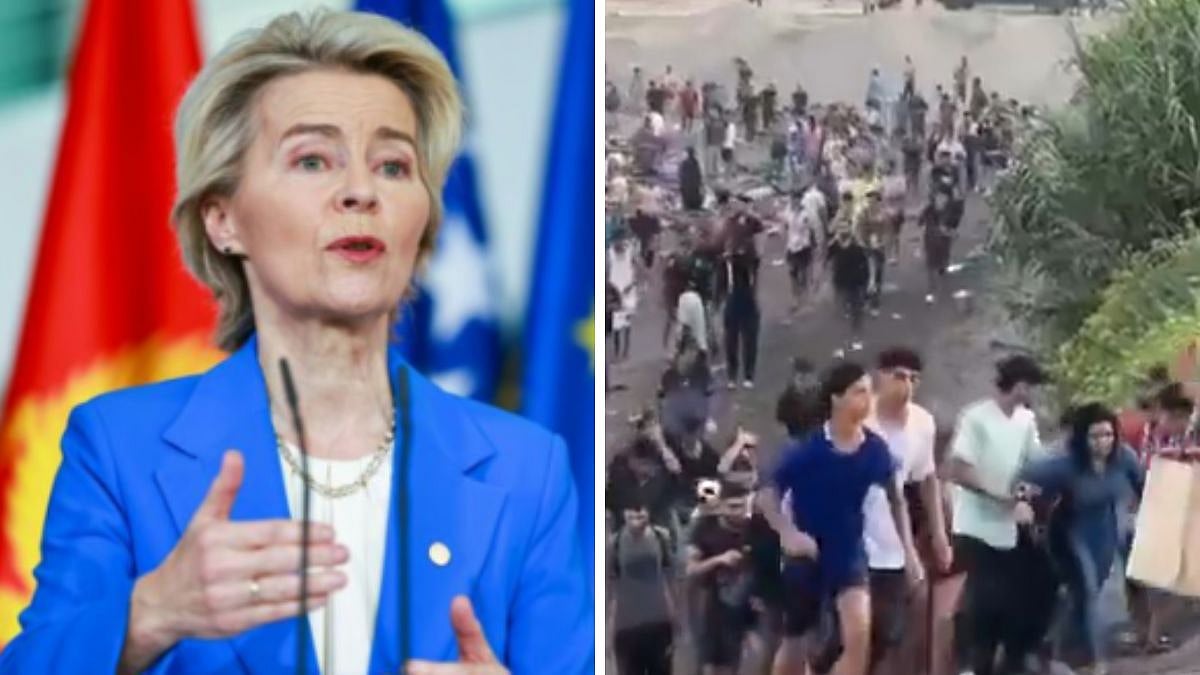
European Commission President Ursula von der Leyen has condemned the situation at the Spanish enclave of Ceuta, where thousands of migrants have crossed from Morocco in recent days. Von der Leyen described the scenes emerging from the border as 'unacceptable' and stressed that the European Union would not tolerate irregular entries into its territory.
The EU's external borders must be protected, and migration should take place in accordance with the bloc's rules, von der Leyen said. She called for an immediate halt to dangerous border crossings, the dismantling of human smuggling networks, and the swift return of individuals who are not entitled to remain in the European Union.
The situation in Ceuta has become dire, with around 60,000 people reportedly entering the Spanish autonomous city from Morocco over the past 24 hours. This number is equivalent to nearly 70 per cent of the city's resident population. The mass crossing has also turned deadly, with at least 34 migrants losing their lives.
Von der Leyen has tasked two European Commissioners with supporting Spain's efforts to manage the border. European Commissioner for Internal Affairs Magnus Brunner is already working closely with Spanish authorities and is prepared to travel to key locations if necessary. Brunner will coordinate additional operational support for Spain, including assistance through Frontex, the EU's border and coast guard agency.
Commissioner for the Mediterranean Dubravka Šuica is also in contact with her Moroccan counterpart as part of ongoing diplomatic engagement. The EU's support for Spain comes as the country faces an unprecedented migrant influx, with Ceuta President Juan Jesús Vivas describing the situation as 'absolutely unsustainable'.
The crisis has sparked calls for a national emergency and army deployment in Spain. Italian Prime Minister Giorgia Meloni has also threatened to suspend the Schengen Agreement with Spain due to concerns over border security.
The situation in Ceuta highlights the need for cooperation between European countries to address the migrant crisis. The EU's response to the situation will be crucial in determining the outcome of the crisis and the future of migration policy in the region.
In conclusion, the EU's condemnation of the Ceuta border crossings and vow of support for Spain marks a significant development in the migrant crisis. The situation in Ceuta is a complex issue that requires a coordinated response from European countries. The EU's efforts to address the crisis will be closely watched in the coming days and weeks.
The migrant crisis in Ceuta has sparked a wider debate about migration policy in the EU. The bloc's rules on migration are designed to ensure that migration takes place in a safe and orderly manner. However, the crisis in Ceuta has highlighted the need for greater cooperation and coordination between European countries to address the root causes of migration.
As the situation in Ceuta continues to unfold, it is clear that the EU's response will have significant implications for the future of migration policy in the region. The EU's ability to address the crisis will depend on its ability to work together with member states and other stakeholders to find a solution that balances the need to protect the EU's external borders with the need to ensure that migration takes place in a safe and orderly manner.
The EU's support for Spain is a positive step towards addressing the crisis, but more needs to be done to address the root causes of migration. The EU must work with other countries, including Morocco, to address the factors that drive migration and to find a solution that benefits all parties involved.
In the end, the migrant crisis in Ceuta is a complex issue that requires a comprehensive and coordinated response from the EU and its member states. The EU's ability to address the crisis will depend on its ability to work together with other countries and stakeholders to find a solution that balances the need to protect the EU's external borders with the need to ensure that migration takes place in a safe and orderly manner.
Frequently asked questions
What is happening at the Ceuta border?
Thousands of migrants are crossing from Morocco into the Spanish enclave of Ceuta, sparking a crisis.
How is the EU responding to the crisis?
The EU is condemning the border crossings and vowing support for Spain, including providing operational support and assistance through Frontex.