Hiroshima Anniversary: A Sobering Economic Lesson
August 6 marks 81 years since Hiroshima, a tragedy that teaches a valuable economic lesson. The world spends trillions on military expenditure, but at what cost?
'%3E%3Crect%20width%3D'96'%20height%3D'96'%20fill%3D'%231B5E20'%2F%3E%3Ccircle%20cx%3D'30'%20cy%3D'24'%20r%3D'44'%20fill%3D'%23fff'%20opacity%3D'.12'%2F%3E%3Ccircle%20cx%3D'60'%20cy%3D'74'%20r%3D'40'%20fill%3D'%23000'%20opacity%3D'.10'%2F%3E%3C%2Fg%3E%3Cg%3E%3Ccircle%20cx%3D'48'%20cy%3D'48'%20r%3D'15'%20fill%3D'%23fff'%2F%3E%3Cpath%20d%3D'M43%2034%20Q50%2048%2043%2062'%20fill%3D'none'%20stroke%3D'%238a94a6'%20stroke-width%3D'2.4'%2F%3E%3Cpath%20d%3D'M47%2033%20Q54%2048%2047%2063'%20fill%3D'none'%20stroke%3D'%238a94a6'%20stroke-width%3D'1.8'%20stroke-dasharray%3D'1.5%203'%2F%3E%3C%2Fg%3E%3C%2Fsvg%3E)
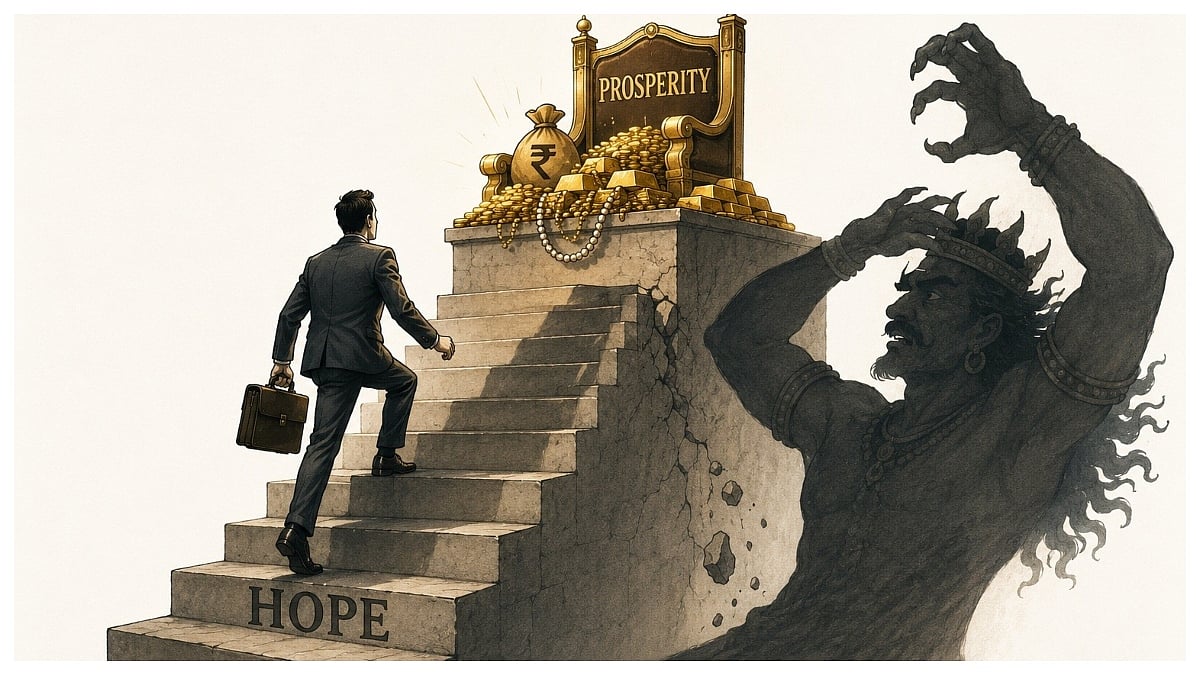
This Thursday, August 6, the world marks 81 years since the devastating bombing of Hiroshima. The tragedy is often remembered as a military event, but it also holds a significant economic lesson. The bombing of Hiroshima was a stark reminder that peace is the foundation of prosperity.
The economic costs of war are far-reaching and devastating. The initial costs of war appear in oil, shipping, and insurance, but soon spread to inflation, disrupted trade, weakened investment, and broken confidence. Eventually, these costs arrive at the dining tables of ordinary families. Governments declare wars, but humanity pays the invoices.
Despite the devastating costs of war, the global war economy continues to expand. Military expenditure reached a record US$2.887 trillion in 2025, around 2.5% of the world's entire economic output. This is the highest military burden since 2009. The production of weapons and military equipment employs millions of people and generates significant economic activity.
However, this economic activity comes at a great cost. The destruction caused by war often finances future production, creating a vicious cycle of violence and economic activity. The bomb that destroyed Hiroshima released about 15 kilotons of explosive force, but today's thermonuclear weapons possess destructive power almost beyond comprehension.
The anniversary of Hiroshima serves as a sobering reminder of the importance of peace. Interest rates, inflation, and corporate profits are all important economic indicators, but they ultimately rest on the foundation of peace. Without peace, prosperity is temporary and fleeting.
India's civilisation has long recognised the importance of peace and restraint. The concept of the Brahmāstra, a symbol of ultimate power, is a reminder that true strength lies not in military power, but in restraint and wisdom.
As the world marks the anniversary of Hiroshima, it is essential to remember the economic lesson that this tragedy teaches. Peace is not just a moral imperative, but an economic necessity. The world must strive for peace and restraint, rather than relying on military power and economic activity driven by destruction.
In conclusion, the anniversary of Hiroshima is a reminder that peace is the foundation of prosperity. The world must learn from the past and strive for a future where peace and restraint are the guiding principles of economic activity.
The economic costs of war are a stark reminder of the importance of peace. As the world continues to spend trillions on military expenditure, it is essential to remember that this expenditure comes at a great cost. The anniversary of Hiroshima serves as a call to action, a reminder that the world must strive for peace and restraint in order to build a more prosperous and sustainable future.
The concept of peace and restraint is not just a moral imperative, but an economic necessity. The world must recognise that true strength lies not in military power, but in the ability to resolve conflicts peacefully and to build a more just and equitable society.
As the world marks the anniversary of Hiroshima, it is essential to remember the importance of peace and restraint. The economic lesson of Hiroshima is a sobering reminder of the devastating costs of war and the importance of building a more peaceful and sustainable world.
In the end, the anniversary of Hiroshima serves as a reminder that peace is the foundation of prosperity. The world must strive for peace and restraint, rather than relying on military power and economic activity driven by destruction. Only then can we build a more prosperous and sustainable future for all.
The world must learn from the past and strive for a future where peace and restraint are the guiding principles of economic activity. The anniversary of Hiroshima is a call to action, a reminder that the world must work together to build a more peaceful and sustainable world.
The economic costs of war are a stark reminder of the importance of peace. The world must recognise that true strength lies not in military power, but in the ability to resolve conflicts peacefully and to build a more just and equitable society. Only then can we build a more prosperous and sustainable future for all.
Frequently asked questions
What is the significance of Hiroshima anniversary?
The Hiroshima anniversary marks 81 years since the devastating bombing of Hiroshima and serves as a reminder of the importance of peace and restraint.
What is the economic cost of war?
The economic costs of war are far-reaching and devastating, including inflation, disrupted trade, weakened investment, and broken confidence.