Olaus Murie Enters Alaska in 1922
Olaus Murie studies caribou, brother Adolph researches wolves, changing ecosystem views
'%3E%3Crect%20width%3D'96'%20height%3D'96'%20fill%3D'%23B3261E'%2F%3E%3Ccircle%20cx%3D'30'%20cy%3D'24'%20r%3D'44'%20fill%3D'%23fff'%20opacity%3D'.12'%2F%3E%3Ccircle%20cx%3D'60'%20cy%3D'74'%20r%3D'40'%20fill%3D'%23000'%20opacity%3D'.10'%2F%3E%3C%2Fg%3E%3Cg%20fill%3D'%23fff'%3E%3Crect%20x%3D'29'%20y%3D'49'%20width%3D'8'%20height%3D'19'%20rx%3D'1'%2F%3E%3Crect%20x%3D'39'%20y%3D'40'%20width%3D'9'%20height%3D'28'%20rx%3D'1'%2F%3E%3Crect%20x%3D'50'%20y%3D'45'%20width%3D'8'%20height%3D'23'%20rx%3D'1'%2F%3E%3Crect%20x%3D'60'%20y%3D'53'%20width%3D'7'%20height%3D'15'%20rx%3D'1'%2F%3E%3Crect%20x%3D'41'%20y%3D'34'%20width%3D'5'%20height%3D'6'%2F%3E%3C%2Fg%3E%3C%2Fsvg%3E)
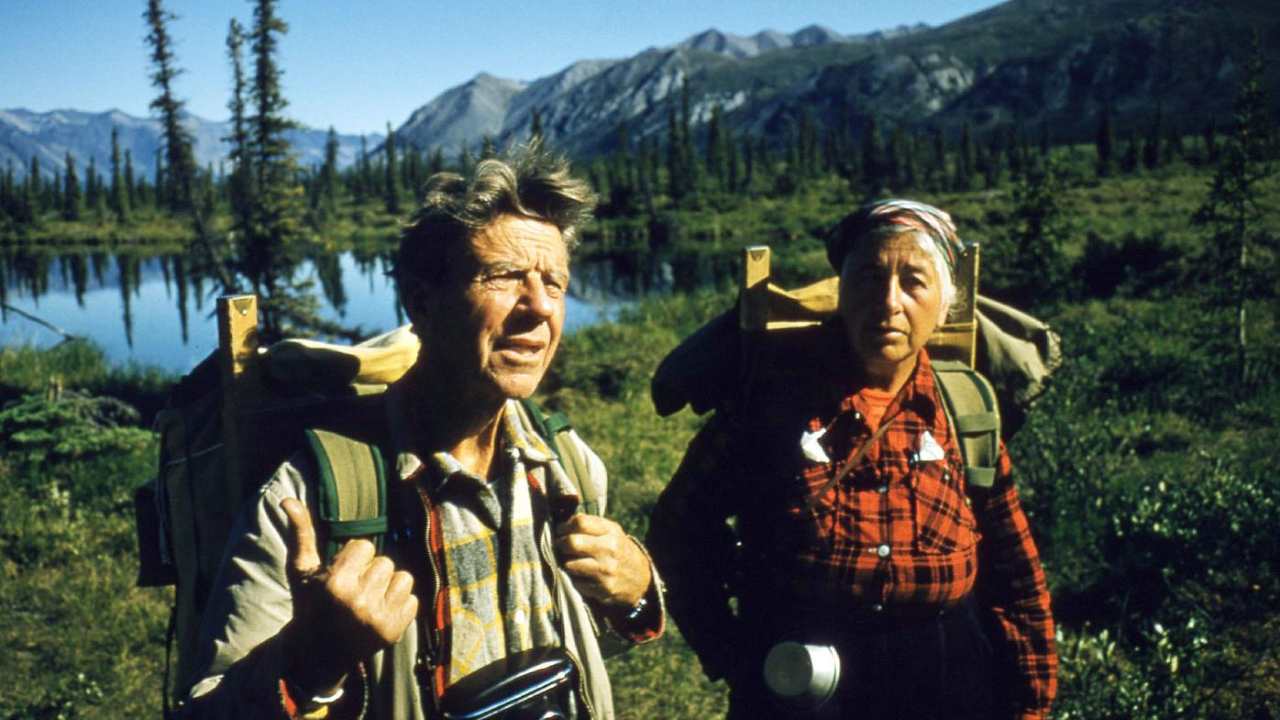
Olaus Murie entered Alaska in 1922 to study caribou and their role in the state's wildlife ecosystems. This marked the beginning of a significant period of research that would greatly influence the understanding of ecological relationships between species.
Murie's work focused on the caribou, aiming to understand their behavior, habitat, and interactions with other species. His findings contributed to a broader comprehension of the complex dynamics within Alaskan ecosystems.
Olaus Murie's brother, Adolph, later joined the research efforts, investigating the roles of wolves and Dall sheep in the ecosystem. Adolph's research was particularly noteworthy as it challenged the prevailing assumptions regarding predator control. By examining the interactions between species within the Mount McKinley ecosystem, Adolph provided valuable insights into the interconnectedness of wildlife populations.
The Muries' ecological approach to understanding wildlife systems helped shift the perspective of park management. Instead of viewing predators solely as pests, their research highlighted the importance of these species in maintaining the balance of ecosystems. This change in perspective has had a lasting impact on conservation efforts in Denali and beyond.
The brothers' work laid the foundation for modern conservation practices, emphasizing the need to consider the intricate relationships between species and their environments. Today, Denali's conservation efforts continue to be informed by the Muries' pioneering research, demonstrating the enduring legacy of their ecological approach.
The significance of the Muries' research extends beyond Alaska, as their findings have contributed to a greater understanding of ecosystem dynamics worldwide. Their work serves as a testament to the importance of scientific research in informing conservation practices and promoting the preservation of natural ecosystems.
In conclusion, Olaus Murie's entry into Alaska in 1922 marked the beginning of a crucial period of research that has had a lasting impact on our understanding of wildlife ecosystems. The Muries' ecological approach continues to shape conservation efforts, highlighting the importance of considering the complex relationships between species and their environments.
Frequently asked questions
What did Olaus Murie study in Alaska in 1922?
Olaus Murie studied caribou and their role in Alaskan wildlife ecosystems.
How did Adolph Murie's research impact ecosystem views?
Adolph Murie's research challenged predator control assumptions and highlighted the importance of predators in maintaining ecosystem balance.