Allahabad HC Rules Against Child Marriage
Court dismisses petition, upholds law against child marriage. Hope for young girls in Uttar Pradesh.


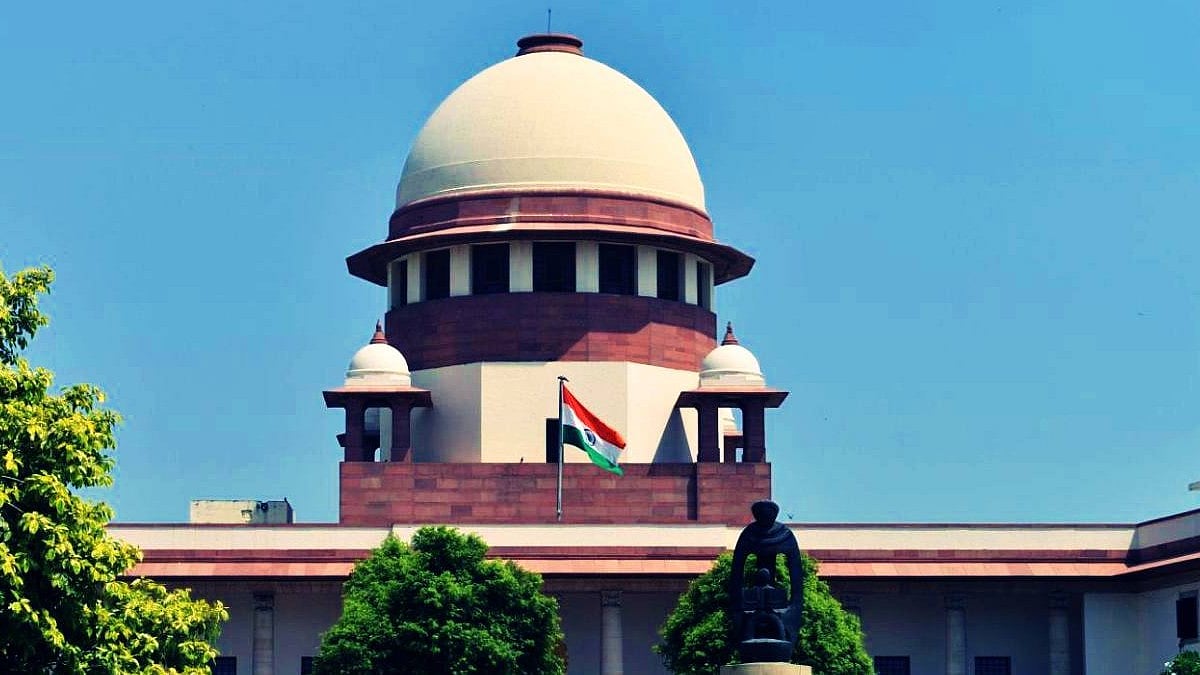
The Allahabad High Court has made a significant ruling in a case involving the marriage of a 16-year-old Muslim girl in Bulandshahr, Uttar Pradesh. The court dismissed a writ petition by 19 people who were accused of assaulting police and Childline rescue officials when they attempted to stop the marriage.
In its judgment, the court held that the legal age of marriage is the same for all citizens, regardless of their religion. The court also stated that the Muslim Personal Law, or Shariah, cannot override civil statutes such as the Prohibition of Child Marriage Act and the Protection of Children from Sexual Offences Act.
This ruling is a significant step forward in the fight against child marriage in India. According to UNICEF, India has the largest number of child brides in the world, with one in every three child brides globally being from India. Uttar Pradesh, along with other states such as Bihar, West Bengal, Maharashtra, and Madhya Pradesh, accounts for over half of India's girls and women who married in childhood.
The issue of child marriage is a complex one, and it is not limited to any one religion or community. While the overall rate of child marriages has been declining over the past few decades, it is still a cause for concern. Child marriage can have severe consequences for the health and well-being of young women and their babies, and it also denies them educational and work opportunities.
The National Family Health Survey-5 has shown that the incidence of child marriage is more prevalent among certain communities, but it is not limited to any one religion. The survey found that while rates are declining across all communities, the incidence of marriage under the age of 14 is more prevalent among Hindus, while the incidence of marriage between the ages of 15 and 18 is more prevalent among Muslims.
The Allahabad High Court's ruling has sparked debate on the issue of personal law and its relationship with civil law. The court's judgment is a reminder that personal law cannot supersede the country's civil law, and that the legal age of marriage is the same for all citizens, regardless of their religion.
This case may also reignite the debate on the Uniform Civil Code, which has been a topic of discussion in India for many years. The Uniform Civil Code aims to provide a common set of laws for all citizens, regardless of their religion, and it has been seen as a way to promote unity and equality in the country.
In conclusion, the Allahabad High Court's ruling is a significant step forward in the fight against child marriage in India. It is a reminder that the legal age of marriage is the same for all citizens, regardless of their religion, and that personal law cannot supersede the country's civil law. The ruling is a hope for young girls in Uttar Pradesh and across the country, and it is a step towards promoting equality and justice for all citizens.
The judgment is also a call to action for the government and civil society to work together to prevent child marriages and promote the rights of young women and girls. It is a reminder that child marriage is a complex issue that requires a comprehensive approach, and that it is not limited to any one religion or community.
Overall, the Allahabad High Court's ruling is a significant development in the fight against child marriage in India, and it is a step towards promoting equality and justice for all citizens.
The court's decision has far-reaching implications for the rights of young women and girls in India, and it is a reminder that the legal system can play a crucial role in promoting social justice and protecting the rights of vulnerable populations.
In the end, the ruling is a victory for the rights of young women and girls in India, and it is a reminder that the fight against child marriage is an ongoing one that requires the efforts of all stakeholders, including the government, civil society, and the legal system.