Indian Ads Show Progress In Gender Portrayal
Indian advertising makes progress in gender portrayal, study shows. Women's representation increases, gaps remain.

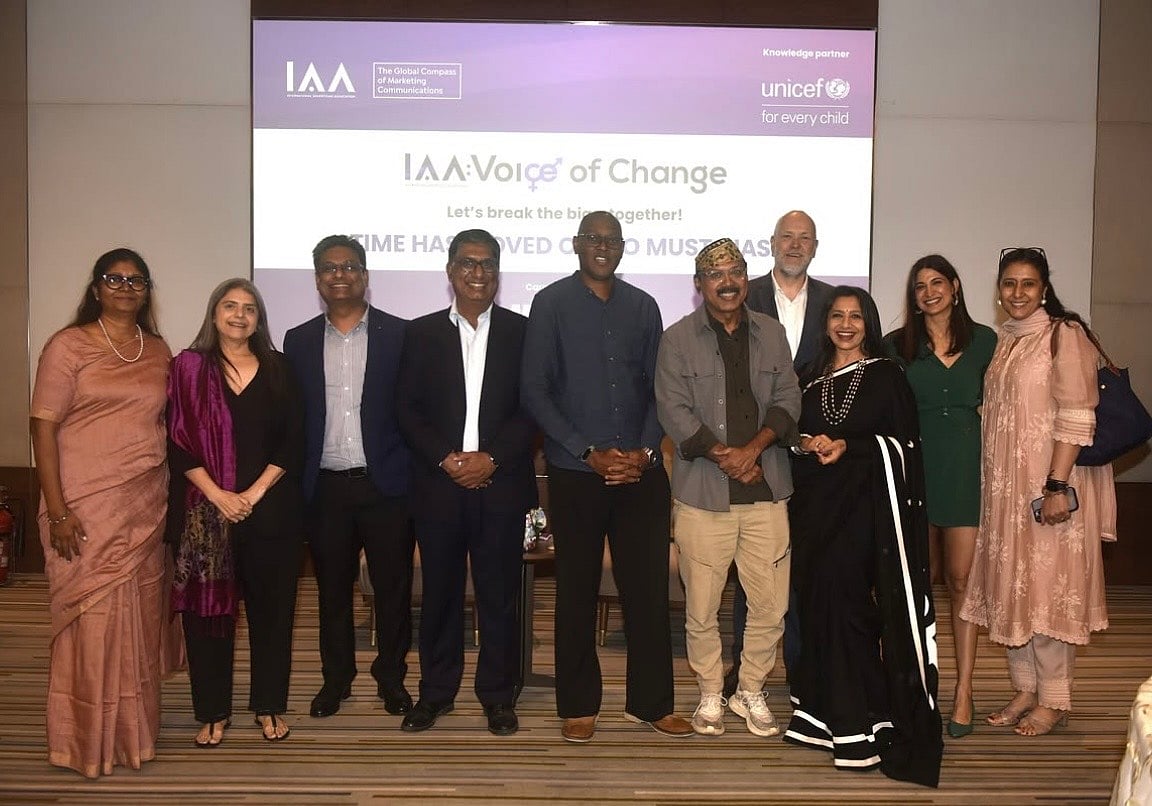
A recent study unveiled by the India Chapter of the International Advertising Association (IAA) and UNICEF has shown that Indian advertising has made significant progress in how it portrays women and men since 2021. The study, conducted by the Geena Davis Institute, analyzed 1,000 multilingual Indian advertisements on television and digital platforms.
The IAA Voice of Change Roundtable, held in Mumbai on July 7, presented the findings of the study, which benchmarked the current state of gender representation in advertising against the 2021 baseline. The report found that gender gaps have narrowed across several indicators, including increased representation of women in professional roles, fewer sexualized portrayals, and more balanced depictions of domestic responsibilities.
However, the study also highlighted areas where continued efforts are needed to create more equitable representation, particularly in leadership portrayals, workplace representation, and inclusion of diverse identities. Madeline Di Nonno, President and CEO of the Geena Davis Institute, emphasized the shared responsibility of the advertising industry in driving this change.
The panel discussion at the roundtable featured industry leaders, including Puneeth Bekal, EVP and Chief Marketing Officer of HDFC Securities, Pallavi Chakravarti, Founder and CCO of Fundamental, Aahana Kumra, Actor, Entrepreneur, and Founder of Working Panda Films, and Sanjay Singh, Chief of UNICEF Maharashtra. They discussed the research findings in relation to their own professional experiences and perspectives on representation.
Bo Beiskjaer, Chief Resource Mobilisation and Partnerships at UNICEF, noted that the Voice of Change platform demonstrates the potential for partnerships between creativity, business leadership, and evidence to drive lasting change. By fostering more equal, diverse, and representative media, we can influence how children see themselves and their opportunities, which is not only good for society but also increasingly good for business.
The study's findings suggest that the advertising industry is moving in the right direction, but there is still work to be done to achieve truly equitable representation. The IAA Voice of Change initiative, with its focus on advancing authentic and equitable representation in advertising and media, is an important step towards creating a more inclusive and diverse industry.
The roundtable event, attended by over 80 industry leaders, highlighted the importance of collaboration and evidence-based approaches in driving change. The study's findings will be used to inform future initiatives and efforts to promote more equitable representation in advertising.
In the context of the Indian advertising industry, this study is significant as it highlights the progress made in recent years. The industry has a significant impact on shaping cultural norms and influencing consumer behavior, and therefore, it is essential to promote equitable and authentic representation.
The study's findings also have implications for businesses and brands, as they increasingly recognize the importance of diversity and inclusion in their marketing efforts. By promoting more equitable representation, businesses can not only contribute to a more inclusive society but also enhance their brand reputation and appeal to a wider audience.
In conclusion, the study unveiled by the IAA and UNICEF is a significant step towards promoting more equitable representation in Indian advertising. While there is still work to be done, the findings suggest that the industry is moving in the right direction, and with continued efforts, we can create a more inclusive and diverse advertising landscape.
The progress made in gender portrayal in Indian advertising has significant implications for Mumbai, as the city is a hub for the advertising industry. The study's findings will likely influence the way advertisers and brands approach their marketing efforts in the city, and will contribute to a more inclusive and diverse cultural landscape.
Overall, the study is an important contribution to the ongoing conversation about gender representation in advertising, and its findings will be closely watched by industry leaders, businesses, and consumers alike. As the advertising industry continues to evolve, it is essential to prioritize equitable and authentic representation, and to recognize the significant impact that advertising can have on shaping cultural norms and influencing consumer behavior.
The IAA Voice of Change initiative, in partnership with UNICEF, is a crucial step towards creating a more inclusive and diverse advertising industry, and its efforts will be closely followed by industry leaders and consumers in Mumbai and beyond.
In terms of significance, the study's findings suggest that the advertising industry is recognizing the importance of promoting equitable and authentic representation. This has implications for businesses, brands, and consumers, as it contributes to a more inclusive and diverse cultural landscape. The study's findings will likely influence the way advertisers and brands approach their marketing efforts, and will contribute to a more inclusive and diverse advertising landscape in Mumbai and beyond.
The progress made in gender portrayal in Indian advertising is a significant step towards creating a more inclusive and diverse industry. As the industry continues to evolve, it is essential to prioritize equitable and authentic representation, and to recognize the significant impact that advertising can have on shaping cultural norms and influencing consumer behavior. The IAA Voice of Change initiative, in partnership with UNICEF, is a crucial step towards achieving this goal, and its efforts will be closely followed by industry leaders and consumers in Mumbai and beyond.
In conclusion, the study unveiled by the IAA and UNICEF is a significant contribution to the ongoing conversation about gender representation in advertising. The findings suggest that the industry is moving in the right direction, but there is still work to be done to achieve truly equitable representation. The IAA Voice of Change initiative, in partnership with UNICEF, is a crucial step towards creating a more inclusive and diverse advertising industry, and its efforts will be closely followed by industry leaders and consumers in Mumbai and beyond.