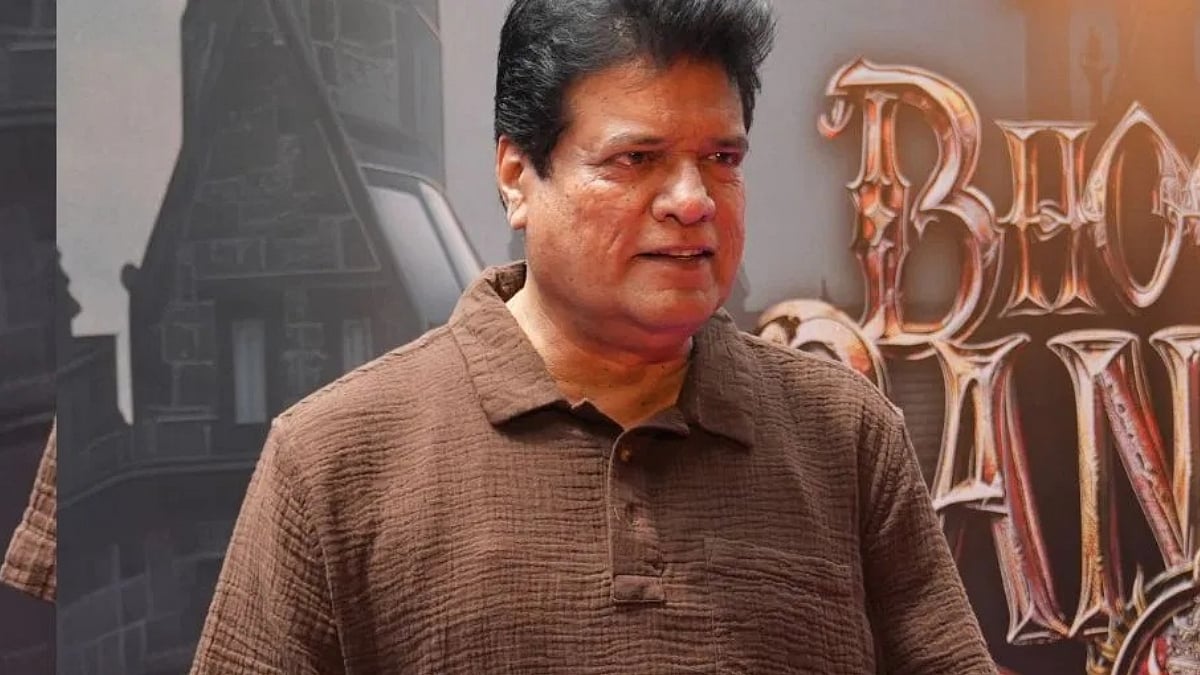
Kay Kay Menon Talks Restraint in Acting
Kay Kay Menon shares insights on acting. He discusses his latest show and experiences.
'%3E%3Crect%20width%3D'96'%20height%3D'96'%20fill%3D'%23C2185B'%2F%3E%3Ccircle%20cx%3D'30'%20cy%3D'24'%20r%3D'44'%20fill%3D'%23fff'%20opacity%3D'.12'%2F%3E%3Ccircle%20cx%3D'60'%20cy%3D'74'%20r%3D'40'%20fill%3D'%23000'%20opacity%3D'.10'%2F%3E%3C%2Fg%3E%3Cpath%20fill%3D'%23fff'%20d%3D'M48%2031%20l4.6%2010.2%2011.2%201%20-8.4%207.5%202.5%2011%20-9.9%20-5.8%20-9.9%205.8%202.5%20-11%20-8.4%20-7.5%2011.2%20-1%20z'%2F%3E%3C%2Fsvg%3E)
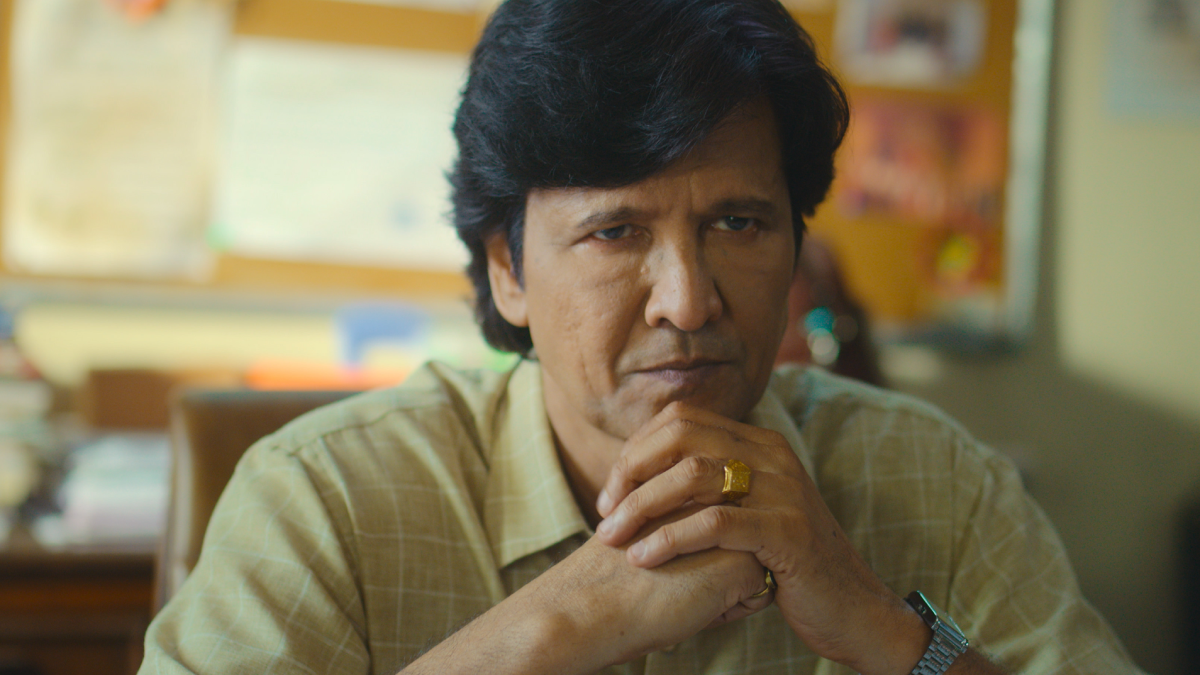
Actor Kay Kay Menon recently shared his thoughts on the art of acting, emphasizing the importance of restraint over exposition. In a conversation about his latest show, 'Adarsh Baal Vidyalaya', Menon, along with co-actor Naveen Kasturia and director Himank Gaur, delved into their experiences and the lessons they've learned from their school days that have shaped their film careers.
Menon, known for his versatile performances, reflected on his own journey, stating that he feels he has failed more often than he has succeeded in his acting endeavors. This humility and self-awareness underscore his commitment to continually improving his craft.
The discussion also touched upon the challenges and joys of working with comedy, a genre that requires a delicate balance of timing and restraint. Menon, Kasturia, and Gaur shared anecdotes from the set of 'Adarsh Baal Vidyalaya', highlighting the collaborative effort that goes into creating a compelling narrative.
The show, 'Adarsh Baal Vidyalaya', serves as a platform for these actors and the director to explore themes that are both humorous and thought-provoking. By drawing from their personal experiences and leveraging their collective creative vision, they aim to engage audiences in a meaningful way.
Kay Kay Menon's approach to acting, focusing on restraint, speaks to a deeper understanding of the craft. It suggests that sometimes, the most powerful performances are those that are understated, allowing the audience to fill in the gaps and become more invested in the story.
The world of comedy, in particular, benefits from this approach, as it requires actors to be nuanced in their expressions and timing. Menon's perspective on his own successes and failures adds a layer of authenticity to his words, reminding aspiring actors of the importance of perseverance and continuous learning.
In the context of Indian cinema, where genres often blend and actors are frequently called upon to play a wide range of roles, Menon's insights are particularly relevant. His dedication to his craft and his willingness to embrace challenges head-on serve as an inspiration to both his peers and newcomers in the industry.
As 'Adarsh Baal Vidyalaya' continues to entertain and engage audiences, the conversations surrounding it, including those about the process of acting and the importance of school life experiences, add depth to our understanding of what makes a performance memorable.
In conclusion, Kay Kay Menon's thoughts on acting as an art form that values restraint highlight the complexity and nuance of the craft. Through his reflections and the making of 'Adarsh Baal Vidyalaya', we are reminded that success in acting, or any creative field, is not solely about achieving milestones but about the journey itself—the learning, the failing, and the growing.
This approach to acting and storytelling has a broader significance for Mumbai's vibrant film industry, where actors and directors continually seek to push boundaries and connect with audiences on a deeper level. By embracing restraint and focusing on the subtleties of performance, creatives can produce work that resonates more profoundly with viewers, contributing to the rich tapestry of Indian cinema.
The emphasis on personal growth, learning from failures, and the importance of restraint in acting serves as a valuable lesson not just for aspiring actors but for anyone involved in creative pursuits. It underscores the idea that true mastery of any craft requires patience, dedication, and a willingness to learn from both successes and setbacks.
Ultimately, the story of 'Adarsh Baal Vidyalaya' and the reflections of its cast and crew offer a compelling narrative about the power of storytelling, the challenges of comedy, and the enduring importance of humility and perseverance in the pursuit of artistic excellence.
What Kay Kay Menon and his colleagues bring to the forefront is the human element of acting and filmmaking, reminding us that behind every performance and every film, there are stories of struggle, growth, and a deep passion for the craft. This human touch is what makes their work relatable and impactful, leaving a lasting impression on audiences and inspiring future generations of actors and filmmakers.
The conversation around 'Adarsh Baal Vidyalaya' and the insights shared by Kay Kay Menon, Naveen Kasturia, and Himank Gaur contribute to a larger dialogue about the state of Indian cinema and the role of actors within it. It highlights the diversity of talent, the richness of storytelling, and the evolving nature of the film industry, where actors are increasingly looking to challenge themselves and push the boundaries of their craft.
For Mumbai, a city that is the heartbeat of India's film industry, such discussions are particularly pertinent. They reflect the city's vibrant cultural landscape, where creativity and innovation are constantly celebrated. The making of 'Adarsh Baal Vidyalaya' and the thoughts of its cast and crew serve as a testament to Mumbai's enduring role as a hub for artistic expression and storytelling.
In the end, Kay Kay Menon's philosophy on acting, combined with the experiences of those involved in 'Adarsh Baal Vidyalaya', offers a nuanced view of the film industry and the art of performance. It reminds us that, at its core, acting is about connection—between the actor and the character, the actor and the audience, and the story and its viewers. This connection is what makes cinema so powerful, allowing it to transcend boundaries and touch hearts in a way that few other art forms can.
The significance of this approach to acting and filmmaking extends beyond the screen, speaking to broader themes of creativity, perseverance, and the human experience. It invites us to reflect on our own journeys, our successes and failures, and the importance of learning from every experience. In doing so, it underscores the universal language of storytelling and the impact it can have on our lives and our understanding of the world around us.
For the city of Mumbai, and for the film industry at large, the lessons from 'Adarsh Baal Vidyalaya' and the insights of Kay Kay Menon serve as a reminder of the power of storytelling to inspire, to educate, and to bring people together. They highlight the importance of restraint, nuance, and authenticity in performance, and they celebrate the diversity and richness of Indian cinema.
As we look to the future of filmmaking in Mumbai and beyond, the reflections of Kay Kay Menon, Naveen Kasturia, and Himank Gaur offer a valuable perspective on what makes a performance truly memorable and impactful. They remind us that, in the world of cinema, it is not just about the destination but about the journey—the process of creation, the learning, the growing, and the connecting with audiences on a deeper level.
In conclusion, the story of 'Adarsh Baal Vidyalaya' and the thoughts of its cast and crew are a testament to the enduring power of storytelling and the importance of restraint, nuance, and authenticity in acting. They serve as a reminder of the human element of filmmaking, the challenges of comedy, and the significance of perseverance and humility in the pursuit of artistic excellence. For Mumbai, for the film industry, and for audiences everywhere, this is a story that will resonate deeply, inspiring reflection, creativity, and a deeper appreciation for the art of storytelling.
The final takeaway from Kay Kay Menon's insights and the making of 'Adarsh Baal Vidyalaya' is the importance of embracing failure as a part of the learning process. By doing so, actors and creatives can free themselves from the fear of failure, allowing them to take risks, experiment, and push the boundaries of their craft. This mindset is essential for innovation and growth in the film industry, enabling the creation of fresh, compelling stories that captivate audiences and leave a lasting impact.
As the film industry in Mumbai and across India continues to evolve, the need for talented actors, directors, and storytellers who are willing to challenge themselves and embrace new challenges has never been more pressing. The reflections of Kay Kay Menon, Naveen Kasturia, and Himank Gaur on 'Adarsh Baal Vidyalaya' offer a beacon of inspiration for these individuals, reminding them of the power of storytelling, the importance of restraint and nuance in performance, and the value of learning from failure.
In the world of Indian cinema, where stories have the power to inspire, educate, and bring people together, the insights shared by the cast and crew of 'Adarsh Baal Vidyalaya' are a timely reminder of the significance of authenticity, creativity, and perseverance. They invite us to celebrate the diversity and richness of our stories, to honor the journey of our actors and filmmakers, and to embrace the universal language of storytelling that transcends boundaries and touches hearts.
For the audiences, the journey of 'Adarsh Baal Vidyalaya' is a reminder that behind every film, every performance, and every story, there are real people with real experiences, struggles, and passions. It is this human element that makes cinema so relatable, so impactful, and so enduring. As we watch, reflect, and are inspired by the stories on screen, we are also reminded of the importance of connection, empathy, and understanding in our own lives and in the world around us.
The story of 'Adarsh Baal Vidyalaya' and the reflections of its cast and crew are a powerful testament to the transformative power of storytelling and the importance of embracing our shared humanity. They remind us that, through the art of acting and the magic of cinema, we can connect with each other, learn from each other, and grow together, creating a richer, more compassionate, and more inspired world, one story at a time.
What it means for Mumbai and the broader film industry is a renewed focus on the craft of acting, the importance of storytelling, and the value of perseverance and humility. It is a call to action for actors, directors, and storytellers to push the boundaries of their craft, to experiment, to take risks, and to continually strive for excellence. By doing so, they can create stories that not only entertain but also inspire, educate, and bring people together, leaving a lasting impact on audiences and contributing to the rich cultural heritage of Indian cinema.
In the final analysis, the significance of Kay Kay Menon's insights and the making of 'Adarsh Baal Vidyalaya' lies in their ability to inspire, to educate, and to remind us of the power of storytelling to transform, to connect, and to bring people together. They serve as a testament to the enduring importance of cinema as a medium for artistic expression, social commentary, and cultural celebration. For Mumbai, for India, and for the world, this is a story that will continue to resonate, inspiring new generations of actors, filmmakers, and storytellers to embrace the craft, to push the boundaries of what is possible, and to create stories that touch hearts, minds, and souls.
The legacy of 'Adarsh Baal Vidyalaya' and the reflections of its cast and crew will be felt for years to come, as a new wave of storytellers, actors, and filmmakers emerges, inspired by the power of cinema to inspire, to educate, and to bring people together. They will be reminded of the importance of restraint, nuance, and authenticity in performance, and they will be inspired to create stories that are fresh, compelling, and meaningful, contributing to the rich tapestry of Indian cinema and leaving a lasting impact on audiences around the world.
As we look to the future, the story of 'Adarsh Baal Vidyalaya' and the insights of Kay Kay Menon, Naveen Kasturia, and Himank Gaur serve as a beacon of hope and inspiration, reminding us of the transformative power of storytelling and the importance of embracing our shared humanity. They invite us to celebrate the diversity and richness of our stories, to honor the journey of our actors and filmmakers, and to embrace the universal language of storytelling that transcends boundaries and touches hearts.
In the end, it is this shared humanity, this universal language of storytelling, and this transformative power of cinema that will continue to inspire, educate, and bring people together, creating a richer, more compassionate, and more inspired world, one story at a time.