Nashik Water Cut Continues Until Dam Reaches 75%
Nashik water cuts to remain, dam storage at 64%

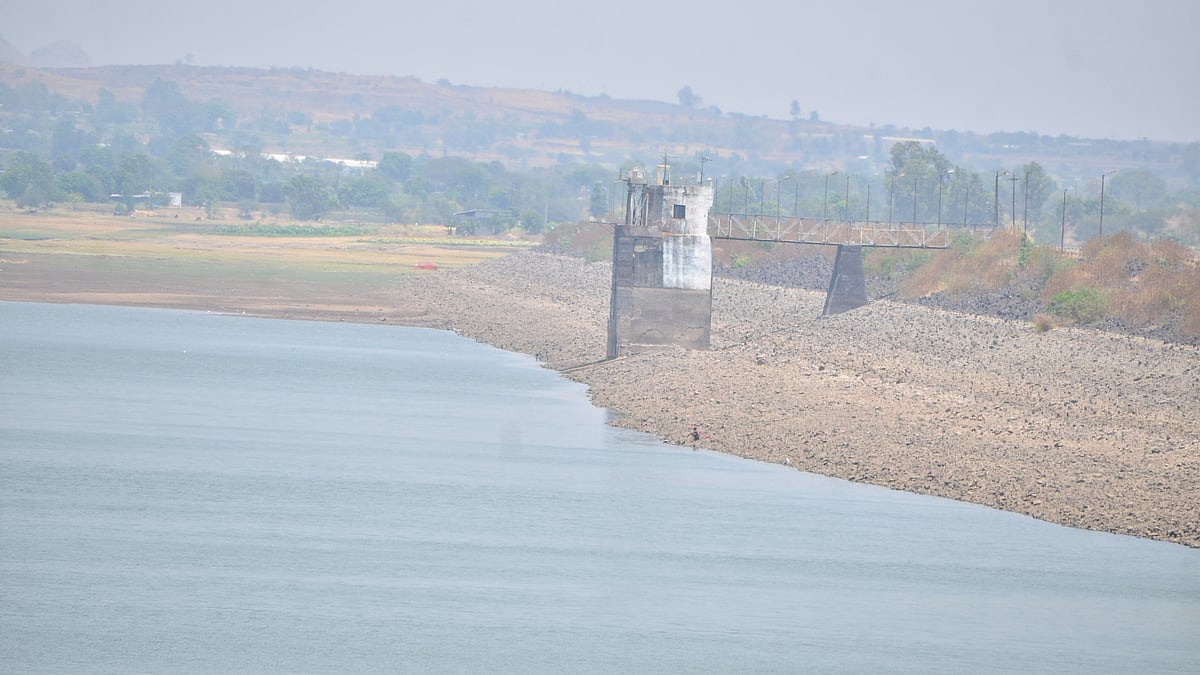
Nashik has decided to continue its Saturday water cut despite recent heavy rainfall increasing the water storage in the Gangapur dam complex from 38% to 64%. The cut will remain in place until the dam reaches at least 75% storage.
The Nashik Municipal Corporation made this decision to ensure water security throughout the year. According to municipal sources, the storage in the Jayakwadi dam must also reach 65% before the water cuts can be revoked.
Currently, the Gangapur dam complex has 642 MCFT of water, which is enough to meet the city's water needs for approximately 126 days. However, the municipal administration wants to maintain a safe storage level to avoid water shortages later in the year.
Municipal Commissioner Manisha Khatri stated that the rainfall situation and dam storage levels are being closely monitored. The water cut on Saturdays will remain in effect until the end of July, and the cuts may be increased in August if the storage levels do not improve.
The decision to continue the water cut is part of the municipal administration's efforts to manage water resources effectively. If the rainfall continues steadily, residents of Nashik may get relief from the increased water cuts in August.
The Gangapur dam complex is a crucial source of water for Nashik, and the municipal administration is keeping a close watch on water management to ensure that the city's water needs are met throughout the year.
Nashik has been experiencing water shortages in recent years, and the municipal administration has been taking steps to address the issue. The decision to continue the water cut is a precautionary measure to ensure that the city has enough water to last throughout the year.
The municipal administration is also exploring other ways to improve water management in the city, including increasing water storage capacity and reducing water waste. By taking a proactive approach to water management, the municipal administration hopes to provide a reliable water supply to residents of Nashik.
In conclusion, the continuation of the Saturday water cut in Nashik is a necessary measure to ensure water security throughout the year. The municipal administration is taking a cautious approach to water management, and residents can expect the water cut to remain in place until the Gangapur dam complex reaches at least 75% storage.
The decision to continue the water cut may cause some inconvenience to residents, but it is a necessary step to ensure that the city has enough water to meet its needs. The municipal administration is committed to providing a reliable water supply to residents of Nashik, and the continuation of the water cut is a key part of this effort.
Overall, the situation in Nashik highlights the importance of effective water management in ensuring a reliable water supply. By taking a proactive approach to water management, cities like Nashik can reduce the risk of water shortages and provide a better quality of life for their residents.
The Nashik Municipal Corporation's decision to continue the water cut is a significant one, and it will be closely watched by residents and other stakeholders. As the city continues to grow and develop, effective water management will be crucial in ensuring that the city's water needs are met.
In the coming months, the municipal administration will continue to monitor the rainfall situation and dam storage levels, and adjustments will be made to the water cut as necessary. For now, residents of Nashik can expect the Saturday water cut to remain in place until the Gangapur dam complex reaches at least 75% storage.
The city's water management efforts are an important part of its overall development strategy, and the continuation of the water cut is a key part of this effort. By prioritizing water management, the municipal administration is helping to ensure that Nashik remains a thriving and sustainable city for years to come.
In terms of significance, the continuation of the water cut in Nashik is an important development for the city and its residents. It highlights the need for effective water management and the importance of taking a proactive approach to ensuring a reliable water supply. As the city continues to grow and develop, the municipal administration's efforts to manage water resources effectively will be crucial in ensuring that the city's water needs are met.
The situation in Nashik also has implications for other cities in India that are facing similar water management challenges. By taking a proactive approach to water management, cities like Nashik can reduce the risk of water shortages and provide a better quality of life for their residents. Overall, the continuation of the water cut in Nashik is an important development that highlights the need for effective water management in ensuring a reliable water supply.