Lok Sabha Passes Public Examinations Amendment Bill Amid Disruptions
Rahul Gandhi's remarks spark debate, Union ministers rebut claims
'%3E%3Crect%20width%3D'96'%20height%3D'96'%20fill%3D'%231A5276'%2F%3E%3Ccircle%20cx%3D'30'%20cy%3D'24'%20r%3D'44'%20fill%3D'%23fff'%20opacity%3D'.12'%2F%3E%3Ccircle%20cx%3D'60'%20cy%3D'74'%20r%3D'40'%20fill%3D'%23000'%20opacity%3D'.10'%2F%3E%3C%2Fg%3E%3Cg%20fill%3D'%23fff'%3E%3Cpath%20d%3D'M31%2041%20L48%2031%20L65%2041%20Z'%2F%3E%3Crect%20x%3D'33'%20y%3D'43'%20width%3D'4'%20height%3D'17'%2F%3E%3Crect%20x%3D'41'%20y%3D'43'%20width%3D'4'%20height%3D'17'%2F%3E%3Crect%20x%3D'51'%20y%3D'43'%20width%3D'4'%20height%3D'17'%2F%3E%3Crect%20x%3D'59'%20y%3D'43'%20width%3D'4'%20height%3D'17'%2F%3E%3Crect%20x%3D'30'%20y%3D'62'%20width%3D'36'%20height%3D'4'%20rx%3D'1'%2F%3E%3C%2Fg%3E%3C%2Fsvg%3E)
The Lok Sabha has passed the Public Examinations Amendment Bill, which introduces stricter punishments for examination-related offenses and paper leaks. This move aims to ensure fairness and prevent unfair means in public examinations.
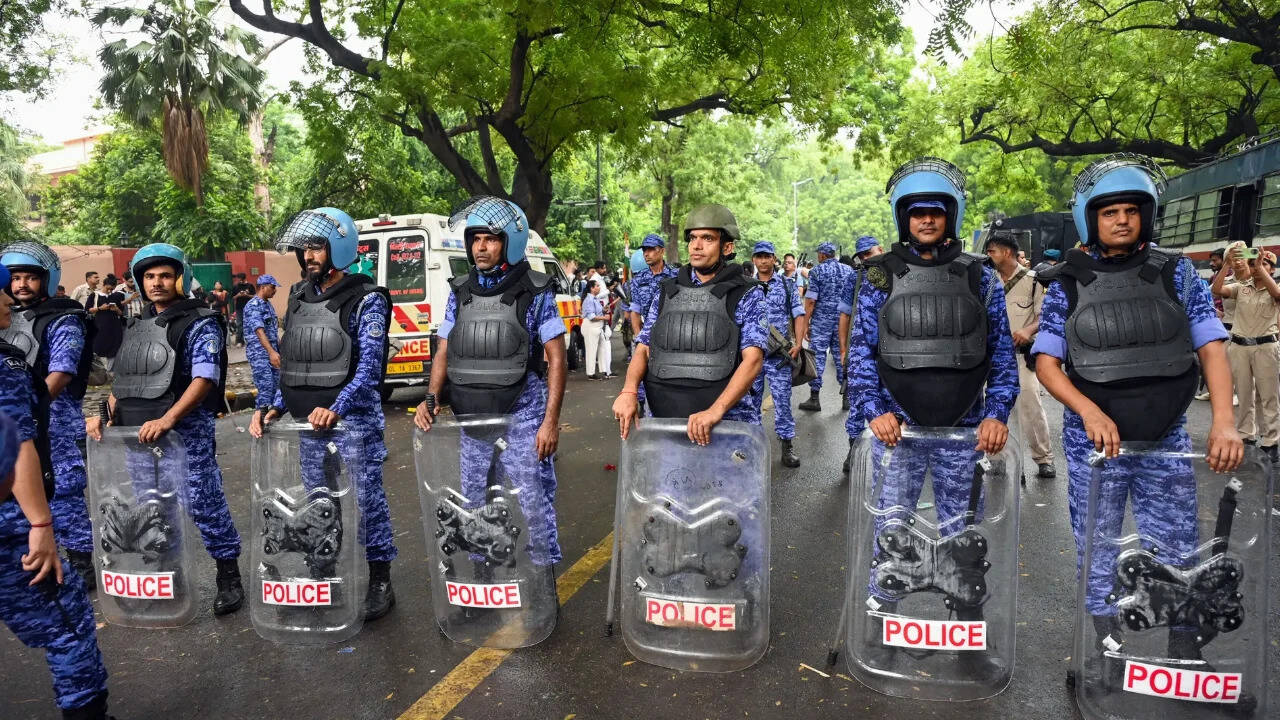
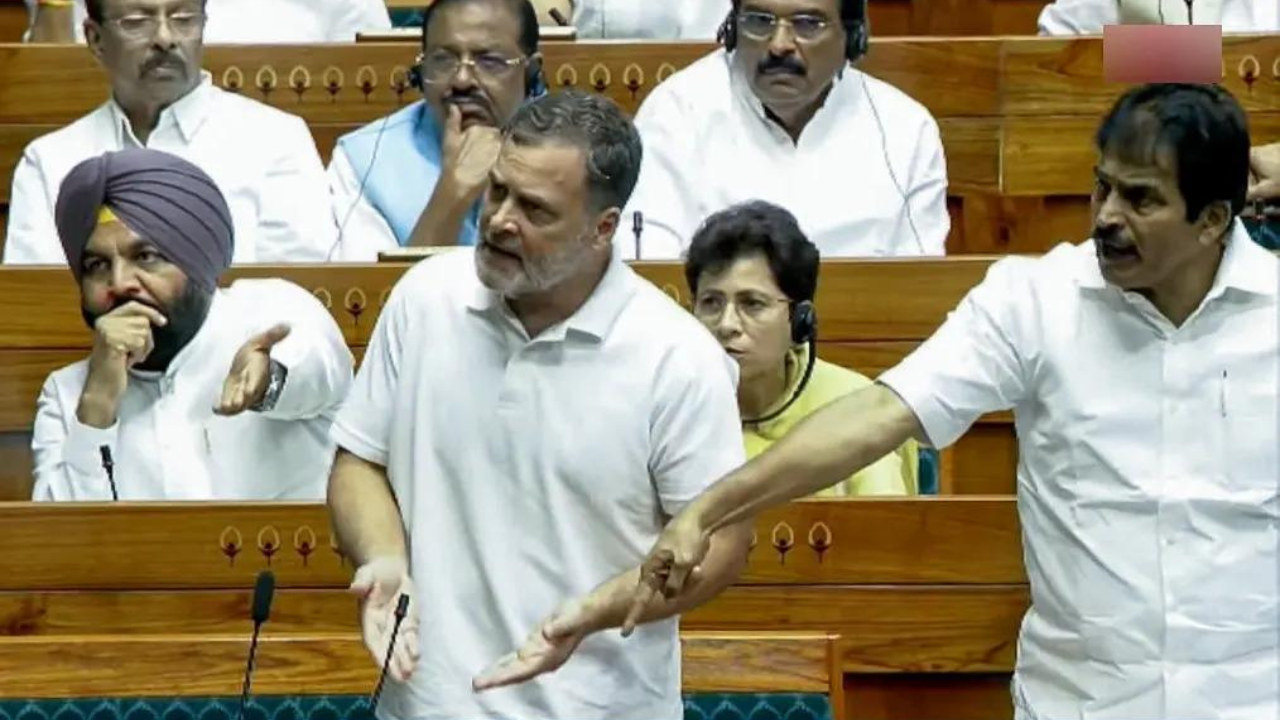
The passage of the bill was marked by disruptions and intense political debate, triggered by Rahul Gandhi's remarks on student protests. Gandhi attacked the government over alleged police action against students and the privatization of education.
Union ministers responded strongly to Gandhi's claims, calling them baseless and false allegations. They argued that the government is committed to ensuring the integrity of public examinations and preventing malpractices.
The Public Examinations Amendment Bill is designed to curb cheating and paper leaks in public examinations. The legislation proposes stricter penalties for those found guilty of examination-related offenses, including imprisonment and fines.
The bill's passage is seen as a significant move by the government to restore the credibility of public examinations. The government has argued that the legislation is necessary to maintain the integrity of the examination system and prevent unfair means.
Rahul Gandhi's remarks on student protests have sparked a wider debate on the government's handling of education and law and order. The opposition has accused the government of suppressing dissent and using heavy-handed tactics against students.
The government has denied these allegations, arguing that it is committed to protecting the rights of students and ensuring their safety. The debate highlights the deepening political divide over issues related to education and governance.
The passage of the Public Examinations Amendment Bill is likely to have significant implications for the education sector. The government's move to introduce stricter punishments for examination-related offenses is seen as a step towards ensuring fairness and transparency in public examinations.
In the context of the ongoing debate over education and governance, the bill's passage is a significant development. It reflects the government's efforts to address concerns over the integrity of public examinations and prevent malpractices.
The implications of the bill's passage will be closely watched, particularly in the context of the upcoming elections. The government's handling of education and law and order is likely to be a key issue in the elections, with the opposition accusing the government of failing to address the concerns of students and citizens.
The bill's passage is a significant step towards ensuring the integrity of public examinations, and its implications will be felt in the days to come. The government's commitment to fairness and transparency in public examinations is a welcome move, and it remains to be seen how the opposition will respond to this development.
In conclusion, the passage of the Public Examinations Amendment Bill is a significant development in the education sector. The government's move to introduce stricter punishments for examination-related offenses is a step towards ensuring fairness and transparency in public examinations. The implications of the bill's passage will be closely watched, and it remains to be seen how the opposition will respond to this development.
Frequently asked questions
What is the Public Examinations Amendment Bill about?
The bill introduces stricter punishments for examination-related offenses and paper leaks to ensure fairness in public examinations.
Why did Rahul Gandhi attack the government?
Gandhi attacked the government over alleged police action against students and the privatization of education.