Wildlife NGO Linked to Poaching Syndicate, 10 Leopard Skins Seized
Investigation uncovers alleged nexus between Wildlife SOS and poachers. 10 leopard skins seized, probe underway.
'%3E%3Crect%20width%3D'96'%20height%3D'96'%20fill%3D'%23B3261E'%2F%3E%3Ccircle%20cx%3D'30'%20cy%3D'24'%20r%3D'44'%20fill%3D'%23fff'%20opacity%3D'.12'%2F%3E%3Ccircle%20cx%3D'60'%20cy%3D'74'%20r%3D'40'%20fill%3D'%23000'%20opacity%3D'.10'%2F%3E%3C%2Fg%3E%3Cg%20fill%3D'%23fff'%3E%3Crect%20x%3D'29'%20y%3D'49'%20width%3D'8'%20height%3D'19'%20rx%3D'1'%2F%3E%3Crect%20x%3D'39'%20y%3D'40'%20width%3D'9'%20height%3D'28'%20rx%3D'1'%2F%3E%3Crect%20x%3D'50'%20y%3D'45'%20width%3D'8'%20height%3D'23'%20rx%3D'1'%2F%3E%3Crect%20x%3D'60'%20y%3D'53'%20width%3D'7'%20height%3D'15'%20rx%3D'1'%2F%3E%3Crect%20x%3D'41'%20y%3D'34'%20width%3D'5'%20height%3D'6'%2F%3E%3C%2Fg%3E%3C%2Fsvg%3E)
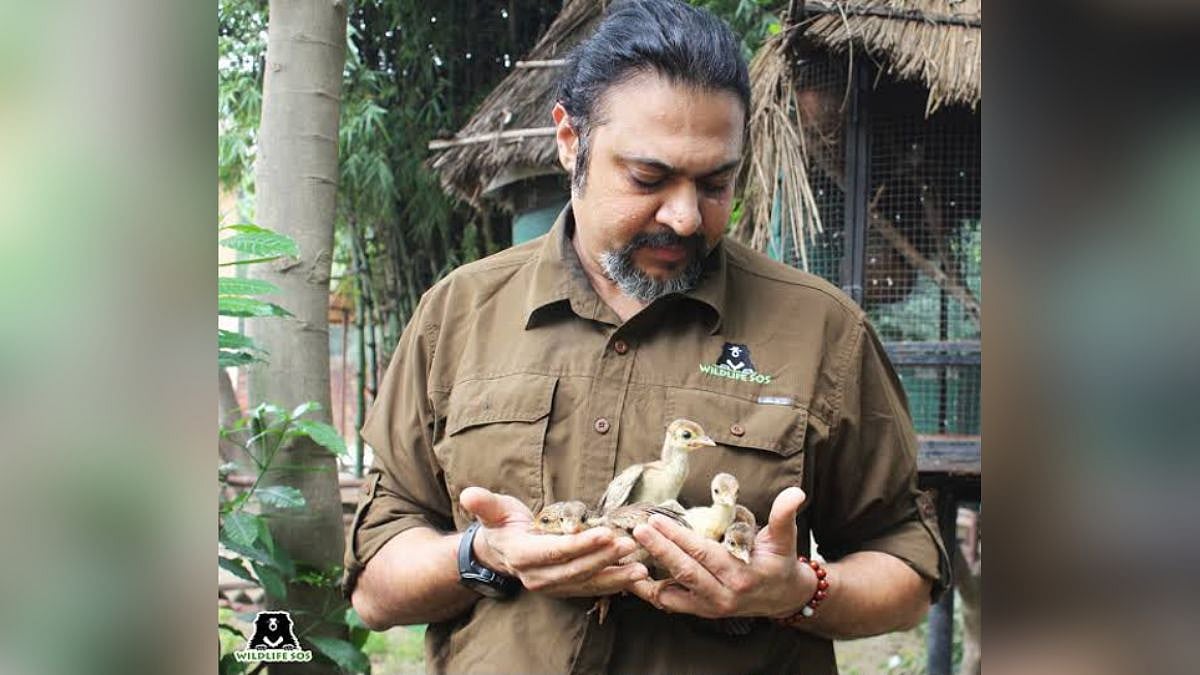
A shocking investigation has revealed an alleged connection between a prominent Delhi-based wildlife conservation organization, Wildlife SOS, and a poaching syndicate. The probe, initiated by the Madhya Pradesh State Tiger Strike Force (STSF), was sparked by the seizure of 10 leopard skins from four poachers on the Gwalior-Agra highway on July 23.
The poachers, who were carrying the leopard skins, were found to have links with Wildlife SOS, with two key suspects, Bhagwan Singh and Wasim, being on the NGO's payroll. Singh has been employed by the organization for at least five years, and investigators have gathered substantial digital evidence suggesting that Wildlife SOS CEO Kartick Satyanarayan may have organized poaching events to stage seizures and attract donors.
The investigation has uncovered several key pieces of evidence, including multiple sites containing buried leopard remains in the Shivpuri and Morena forests, which have been sent to the Wildlife Institute of India for DNA matching. Authorities have also recovered three leg-hold traps sourced from Haryana, which were allegedly distributed by the NGO-linked network.
Wildlife SOS had initially claimed credit for the bust through its 'Forest Watch' unit, but the parallel investigation by the MP STSF has revealed that the NGO may have been involved in staging the seizure. The organization's own vehicle was allegedly used to scout forest areas around Shivpuri and Morena to distribute leg-hold traps to local hunters.
The MP STSF has served a formal notice to CEO Kartick Satyanarayan, requiring him to appear before investigators in Shivpuri on August 17. Madhya Pradesh Chief Wildlife Warden Sameeta Rajoura has confirmed coordination with the Wildlife Crime Control Bureau (WCCB) to fully secure the region's forests and investigate potential trafficking links.
Wildlife SOS was founded in 1995 by Kartick Satyanarayan and Geeta Seshamani and operates numerous rescue centers across India through various Memorandums of Understanding (MoUs) with state governments. Officials are now scrutinizing these agreements, including a pending MoU for a bear rescue center in Bhopal, in light of the current trafficking allegations.
The investigation has raised serious questions about the activities of Wildlife SOS and its involvement in the poaching syndicate. The organization's failure to respond to requests for comment has only added to the suspicion surrounding its activities.
The case highlights the need for greater scrutiny of wildlife conservation organizations and their activities. The alleged involvement of Wildlife SOS in poaching activities is a shocking betrayal of the trust placed in the organization by donors and the public.
The investigation is ongoing, and the outcome is likely to have significant implications for Wildlife SOS and the wider conservation community. The case serves as a reminder of the need for transparency and accountability in the conservation sector and the importance of protecting India's wildlife from those who seek to exploit it.
In conclusion, the alleged nexus between Wildlife SOS and the poaching syndicate is a serious issue that requires immediate attention and action. The investigation must be allowed to run its course, and those responsible for the poaching activities must be held accountable. The conservation community must also come together to ensure that such incidents do not happen in the future and that the trust of the public is maintained.
Frequently asked questions
What is the name of the wildlife conservation organization linked to the poaching syndicate?
Wildlife SOS