9/11 Attacks Reshape Global Security, Identity
25 years after 9/11, the world is a different place. Air travel, identity, and heroes have changed.
'%3E%3Crect%20width%3D'96'%20height%3D'96'%20fill%3D'%23B3261E'%2F%3E%3Ccircle%20cx%3D'30'%20cy%3D'24'%20r%3D'44'%20fill%3D'%23fff'%20opacity%3D'.12'%2F%3E%3Ccircle%20cx%3D'60'%20cy%3D'74'%20r%3D'40'%20fill%3D'%23000'%20opacity%3D'.10'%2F%3E%3C%2Fg%3E%3Cg%20fill%3D'%23fff'%3E%3Crect%20x%3D'29'%20y%3D'49'%20width%3D'8'%20height%3D'19'%20rx%3D'1'%2F%3E%3Crect%20x%3D'39'%20y%3D'40'%20width%3D'9'%20height%3D'28'%20rx%3D'1'%2F%3E%3Crect%20x%3D'50'%20y%3D'45'%20width%3D'8'%20height%3D'23'%20rx%3D'1'%2F%3E%3Crect%20x%3D'60'%20y%3D'53'%20width%3D'7'%20height%3D'15'%20rx%3D'1'%2F%3E%3Crect%20x%3D'41'%20y%3D'34'%20width%3D'5'%20height%3D'6'%2F%3E%3C%2Fg%3E%3C%2Fsvg%3E)
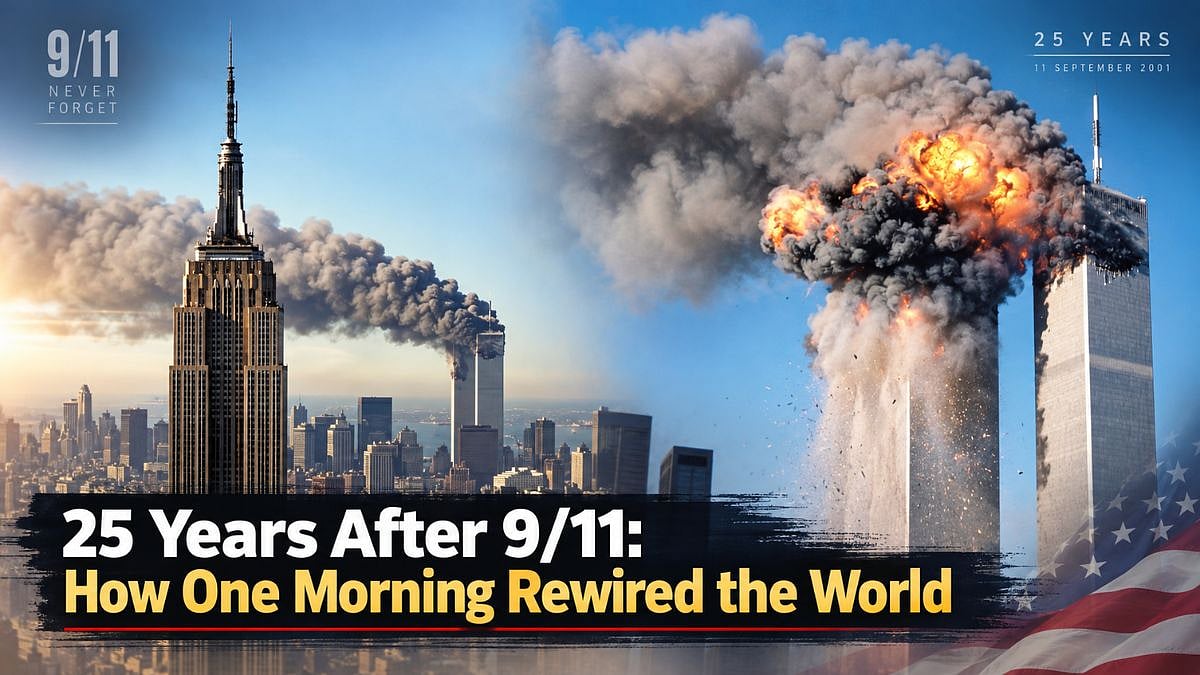
Twenty-five years have passed since the 9/11 attacks, a day that rewired the world's operating system. The aftermath of that fateful Tuesday has had a profound impact on the daily lives of 8 billion people worldwide.
One of the most significant changes is in air travel. Before 9/11, airports were relatively laid-back, with minimal security checks. However, in the wake of the attacks, airports transformed into highly secure zones. The introduction of the Transportation Security Administration (TSA) in the US and the Central Industrial Security Force (CISF) in India marked a new era in airport security.
Today, 4 billion people a year undergo rigorous security checks, including removing shoes, belts, and laptops, and passing through full-body scanners. This new ritual has become a norm, and while it may be annoying, it has significantly reduced the number of hijackings. In the 1970s and 1980s, there were 40-50 hijackings per year, but this number has dropped to near zero since 9/11.
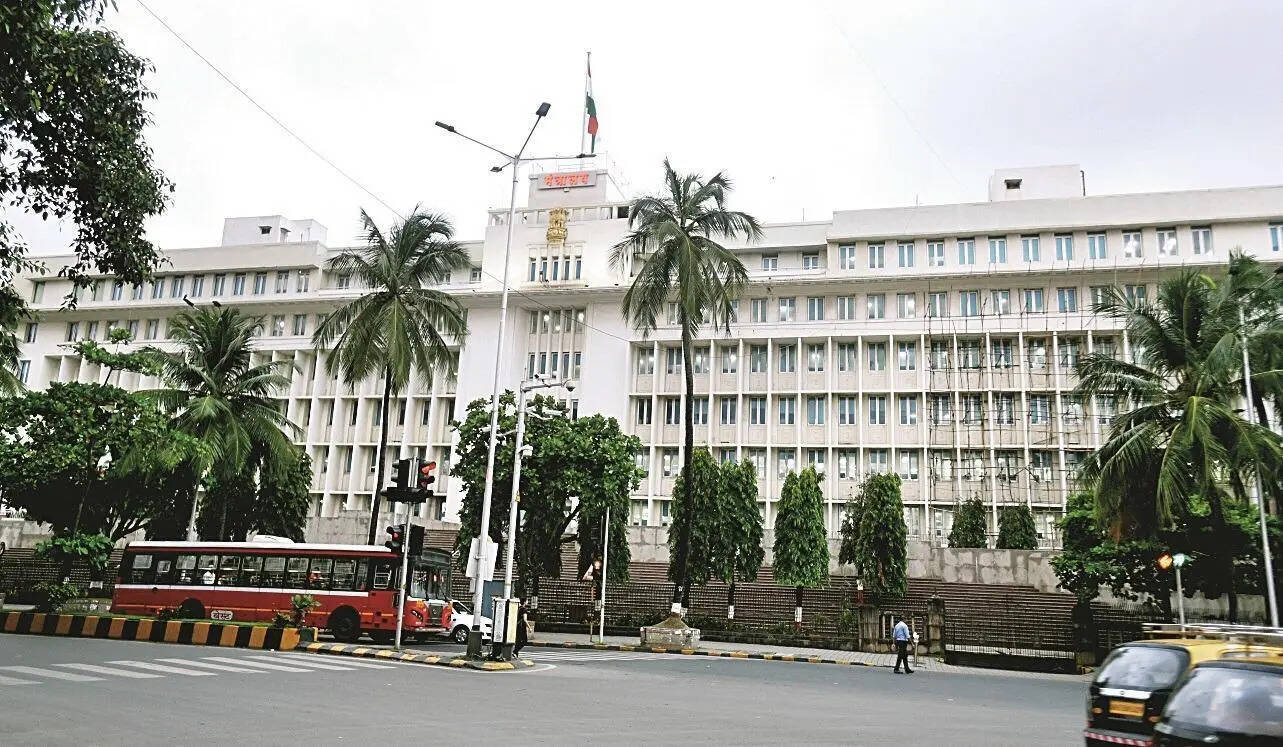
The 9/11 attacks also led to a significant shift in how identities are verified. Before 2001, passports were paper booklets with stamps, and visas were stickers. However, in the aftermath of the attacks, the world moved towards digital identities. The US created the Department of Homeland Security (DHS), and other countries followed suit. India, for instance, created the National Intelligence Grid (NATGRID) after the 26/11 Mumbai attacks.
The use of biometric passports, e-passports, and digital tracking systems has become widespread. The little RFID chip in Indian passports, the DigiYatra face scan at Bangalore airport, and the fact that phones can guide passengers to their gates are all examples of how digital identities have become an integral part of daily life.
The concept of heroism has also undergone a significant change since 9/11. Before the attacks, heroes were often associated with adventure and success, such as Steve Jobs, Michael Jordan, and Richard Branson. However, after 9/11, the world began to appreciate the bravery and selflessness of first responders, such as firefighters, police officers, and ordinary citizens who risked their lives to save others.
In conclusion, the 9/11 attacks have had a profound impact on the world, changing the way we travel, verify identities, and perceive heroism. While the world may be less romantic and more paranoid, it is undoubtedly safer and more secure.
The changes that have taken place since 9/11 are a testament to the world's ability to adapt and respond to crises. As we move forward, it is essential to remember the lessons of the past and continue to work towards creating a safer and more secure world for all.
The legacy of 9/11 serves as a reminder of the importance of vigilance and cooperation in the face of global threats. As the world continues to evolve, it is crucial to balance security concerns with individual freedoms and privacy.
Ultimately, the impact of 9/11 will be felt for generations to come, and it is up to us to ensure that the lessons of the past are used to build a better future.
The world has changed significantly since 9/11, and it is essential to understand and appreciate these changes to create a safer and more secure world.
In the years since 9/11, the world has made significant progress in improving security and reducing the threat of terrorism. However, there is still much work to be done, and it is essential to remain vigilant and committed to creating a safer world for all.
Frequently asked questions
How did 9/11 change air travel?
9/11 led to the introduction of rigorous security checks, including removing shoes and laptops, and passing through full-body scanners.
What is the impact of 9/11 on digital identities?
9/11 led to the widespread use of biometric passports, e-passports, and digital tracking systems, making it easier to verify identities.