Pune Home Sales Surge 37% In 5 Years
Pune's residential market remains strong, with 44,265 homes sold in 2026. Average price reaches Rs 84 lakh.
'%3E%3Crect%20width%3D'96'%20height%3D'96'%20fill%3D'%23B3261E'%2F%3E%3Ccircle%20cx%3D'30'%20cy%3D'24'%20r%3D'44'%20fill%3D'%23fff'%20opacity%3D'.12'%2F%3E%3Ccircle%20cx%3D'60'%20cy%3D'74'%20r%3D'40'%20fill%3D'%23000'%20opacity%3D'.10'%2F%3E%3C%2Fg%3E%3Cg%20fill%3D'%23fff'%3E%3Crect%20x%3D'29'%20y%3D'49'%20width%3D'8'%20height%3D'19'%20rx%3D'1'%2F%3E%3Crect%20x%3D'39'%20y%3D'40'%20width%3D'9'%20height%3D'28'%20rx%3D'1'%2F%3E%3Crect%20x%3D'50'%20y%3D'45'%20width%3D'8'%20height%3D'23'%20rx%3D'1'%2F%3E%3Crect%20x%3D'60'%20y%3D'53'%20width%3D'7'%20height%3D'15'%20rx%3D'1'%2F%3E%3Crect%20x%3D'41'%20y%3D'34'%20width%3D'5'%20height%3D'6'%2F%3E%3C%2Fg%3E%3C%2Fsvg%3E)
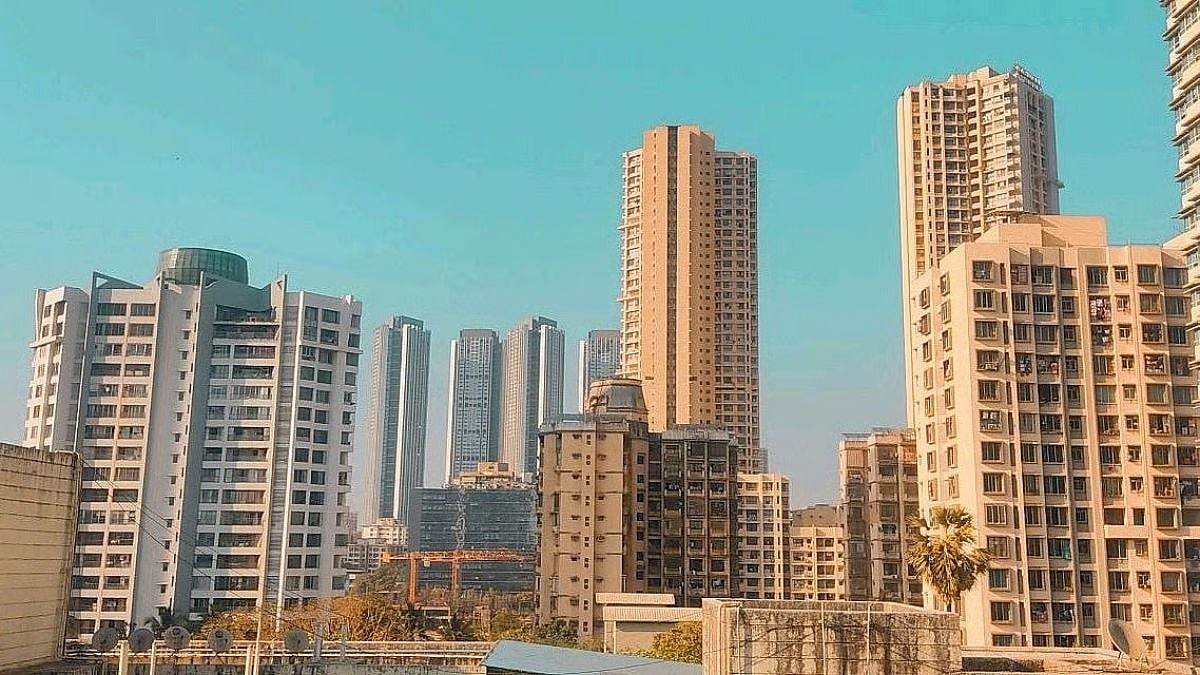
Pune's residential real estate market has shown remarkable strength in the first half of 2026, with 44,265 homes sold and housing transactions worth Rs 37,048 crore. The average price of a home in the city has now reached Rs 84 lakh, reflecting a 38% increase compared to the first half of 2022.
According to a joint real estate report by CREDAI Pune and CRE Matrix, nearly three out of every four homes sold during the first six months of the year were priced below Rs 1 crore. Homes in this category accounted for 74% of total sales, while properties priced above Rs 1 crore made up the remaining 26%. The Rs 50 lakh to Rs 1 crore segment recorded the highest share of home sales, making it the most preferred price bracket among buyers.
The report highlighted a sharp rise in property prices across the city, with Northeast Pune recording the highest growth, at 54%. Over the past five years, Pune has sold around 4.28 lakh homes, which is 37% higher than Hyderabad's home sales during the same period. Pune also recorded more home sales than the combined total of Mumbai and Chennai over the last five years.
Manish Jain, President of CREDAI Pune, attributed the steady demand for housing to Pune's expanding economy, driven by growth in the Information Technology (IT) sector, Global Capability Centres (GCCs), and the automotive manufacturing industry. This has created more employment opportunities, attracting skilled professionals from across the country and driving sustained demand for residential properties.
Abhishek Kiran Gupta, CEO of CRE Matrix, noted that Pune's housing market has shown stability over the past three years, with the impact of market changes largely limited to the affordable and mid-income housing segments. However, demand for luxury homes has remained steady, prompting developers to focus more on premium residential projects.
The report's findings suggest that Pune's residential real estate market is likely to continue its upward trend, driven by the city's strong economy and growing demand for housing. As the city's population continues to grow, driven by its thriving IT and manufacturing sectors, the demand for residential properties is likely to remain strong.
In terms of the broader context, Pune's strong residential market is a reflection of the city's growing reputation as a hub for business and industry. The city's expanding economy, combined with its high quality of life and excellent infrastructure, make it an attractive destination for professionals and families alike.
The growth of the IT sector, GCCs, and the automotive manufacturing industry has created a large and skilled workforce, driving demand for housing and contributing to the city's economic growth. As Pune continues to grow and develop, its residential real estate market is likely to remain a key driver of the city's economy.
In conclusion, the surge in home sales in Pune over the past five years is a testament to the city's strong economy and growing demand for housing. With its expanding IT and manufacturing sectors, excellent infrastructure, and high quality of life, Pune is likely to remain a hub for business and industry, driving growth in its residential real estate market for years to come.
The implications of this trend are significant, not just for Pune but for the broader Indian economy. As cities like Pune continue to grow and develop, they are likely to drive economic growth and create new opportunities for businesses and individuals alike. The growth of the residential real estate market in Pune is a key part of this story, and one that is likely to continue for years to come.
Overall, the report's findings suggest that Pune's residential real estate market is well-positioned for continued growth and development, driven by the city's strong economy and growing demand for housing. As the city continues to evolve and grow, its residential market is likely to remain a key driver of economic growth and development,