China Tests Submarine-Launched Nuclear Missile
China's nuclear submarine launches ballistic missile, enhancing sea-based deterrent. New missile can strike distant targets.

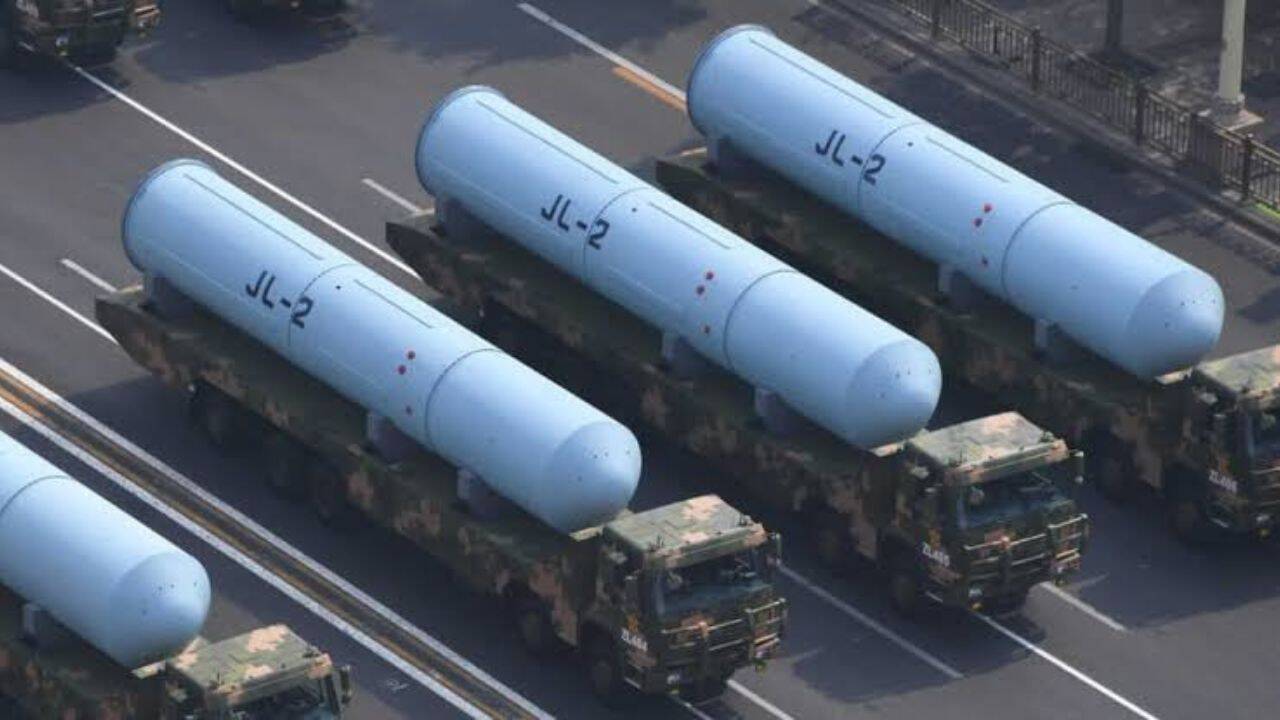
China has successfully test-fired a ballistic missile from a nuclear submarine in the western Pacific, marking a significant milestone in its growing sea-based nuclear deterrent capabilities. The test highlights the evolution of Beijing's 'Giant Wave' missile program, which has progressed from the limited-range JL-1 to the intercontinental JL-3.
According to reports, the new JL-3 missile significantly enhances China's second-strike capability, allowing submarines to strike distant targets from safer waters. This development is a major boost to China's nuclear capabilities, enabling its submarines to launch attacks from a greater distance.
The JL missile family has undergone significant development over the years, with each new iteration boasting improved range and accuracy. The JL-1, the first in the series, had a limited range, whereas the JL-3 has intercontinental capabilities, allowing it to reach targets as far as the US.
This development has major implications for global security, particularly in the Asia-Pacific region. China's growing nuclear capabilities are likely to be closely watched by its neighbors and other major world powers. The test also underscores China's commitment to expanding its military capabilities, including its submarine-launched ballistic missile program.
The successful test of the JL-3 missile is expected to have significant repercussions, with experts warning of a potential arms race in the region. As China continues to enhance its nuclear capabilities, other nations may feel compelled to respond in kind, leading to a destabilization of the regional security landscape.
In the coming months, the international community will be closely monitoring China's actions, particularly in the western Pacific. The development of the JL-3 missile is a clear indication of China's growing military ambitions, and its implications will be felt for years to come.
As the global security landscape continues to evolve, the development of the JL-3 missile serves as a reminder of the importance of diplomacy and dialogue in preventing an arms race. The international community must work together to address the challenges posed by China's growing nuclear capabilities and ensure that the region remains stable and secure.
The test of the JL-3 missile is a significant development in China's military modernization program, and its implications will be closely watched by experts and policymakers around the world. As China continues to expand its military capabilities, the international community will be looking for signs of restraint and a commitment to regional stability.
In conclusion, the successful test of the JL-3 missile marks a major milestone in China's sea-based nuclear deterrent capabilities. The development of this intercontinental missile significantly enhances China's second-strike capability, allowing its submarines to strike distant targets from safer waters. As the global security landscape continues to evolve, the implications of this development will be felt for years to come.