Crude Oil Prices Rise 1.2% Amid Iran Strait Of Hormuz Proposal
Oil prices surge as Iran considers restrictions on vessels. Supply concerns grow.
'%3E%3Crect%20width%3D'96'%20height%3D'96'%20fill%3D'%234A235A'%2F%3E%3Ccircle%20cx%3D'30'%20cy%3D'24'%20r%3D'44'%20fill%3D'%23fff'%20opacity%3D'.12'%2F%3E%3Ccircle%20cx%3D'60'%20cy%3D'74'%20r%3D'40'%20fill%3D'%23000'%20opacity%3D'.10'%2F%3E%3C%2Fg%3E%3Cg%20fill%3D'none'%20stroke%3D'%23fff'%20stroke-width%3D'3'%3E%3Ccircle%20cx%3D'48'%20cy%3D'48'%20r%3D'16'%2F%3E%3Cellipse%20cx%3D'48'%20cy%3D'48'%20rx%3D'6.5'%20ry%3D'16'%2F%3E%3Cline%20x1%3D'32'%20y1%3D'42'%20x2%3D'64'%20y2%3D'42'%2F%3E%3Cline%20x1%3D'32'%20y1%3D'54'%20x2%3D'64'%20y2%3D'54'%2F%3E%3C%2Fg%3E%3C%2Fsvg%3E)
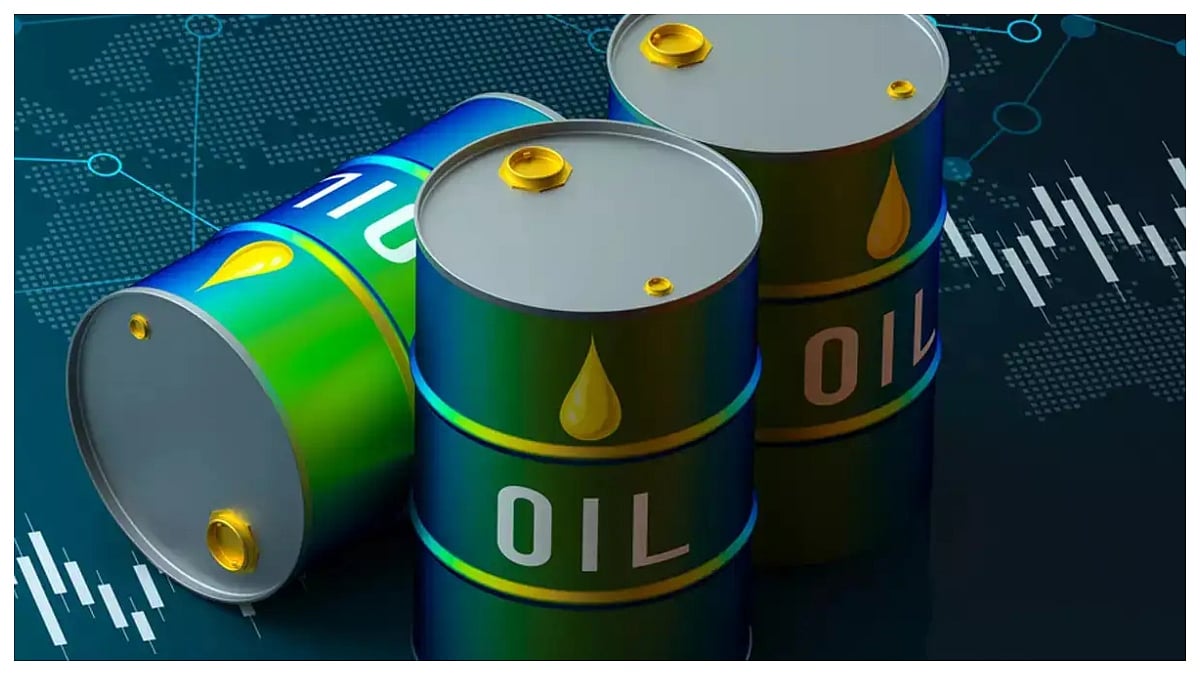
Oil prices continued their upward movement on Friday, with Brent crude futures gaining 1.2% to $83.48 per barrel and US West Texas Intermediate (WTI) crude futures climbing 1.1% to $78.84 per barrel. The rise in crude prices followed reports that Iran, with Oman's involvement, was considering restrictions on vessels classified as hostile passing through the strategically important Strait of Hormuz.
The proposed legislation, under review by an Iranian parliamentary committee, could prevent US, Israeli, and other vessels deemed unfriendly from using the waterway. The proposal also includes penalties of up to 20% of a cargo's value for ships violating the restrictions. The Strait of Hormuz is a crucial global energy route, handling nearly one-fifth of the world's oil and liquefied natural gas (LNG) trade.
Iran is also reportedly seeking transit fees of 5-7% of cargo value from vessels using the route, while Oman is discussing a possible fee of around 3%. However, the US has pushed for unrestricted shipping access without additional charges. Industry experts said implementing such an arrangement could face challenges due to existing US sanctions and restrictions related to insurance and payment mechanisms.
The rise in oil prices comes after a decline earlier in the week on hopes of diplomatic progress between the US and Iran. However, renewed concerns over shipping restrictions pushed Brent crude back above the $80-per-barrel level after it briefly fell below that mark earlier. Geopolitical tensions in the region continue to impact oil markets, with Yemen's Iran-aligned Houthi rebels claiming responsibility for missile and drone attacks targeting Saudi forces in the Marib and Hadramout regions.
The Strait of Hormuz is a vital shipping route, with nearly 20% of the world's oil passing through it. Any restrictions or disruptions to shipping in the region could have significant impacts on global oil supplies and prices. The US and Iran have been engaged in a dispute over oil exports and sanctions, which has contributed to volatility in oil markets.
The proposed restrictions on shipping through the Strait of Hormuz have raised concerns about the potential impact on global oil supplies. The International Energy Agency (IEA) has warned that any disruptions to oil supplies could have significant impacts on the global economy. The situation in the region remains volatile, with ongoing tensions between the US and Iran, as well as other regional conflicts.
In conclusion, the rise in crude oil prices amid the Iran-Oman Strait of Hormuz proposal highlights the ongoing geopolitical tensions and supply concerns in the region. The situation remains volatile, with potential impacts on global oil supplies and prices. As the situation continues to unfold, oil markets are likely to remain sensitive to developments in the Middle East.
The impact of the proposed restrictions on shipping through the Strait of Hormuz will depend on various factors, including the response of the US and other countries, as well as the implementation of the proposed legislation. However, one thing is certain - the situation in the region will continue to be closely watched by oil markets and investors, as any disruptions to oil supplies could have significant impacts on the global economy.
The ongoing tensions in the region have also raised concerns about the potential for further conflicts and disruptions to oil supplies. The situation in Yemen, where Iran-aligned Houthi rebels have been involved in conflicts with Saudi forces, is a particular concern. The region remains volatile, with ongoing tensions and conflicts that could impact oil markets and supplies.
Overall, the rise in crude oil prices amid the Iran-Oman Strait of Hormuz proposal is a reminder of the ongoing geopolitical tensions and supply concerns in the region. The situation remains volatile, with potential impacts on global oil supplies and prices. As the situation continues to unfold, oil markets are likely to remain sensitive to developments in the Middle East.
Frequently asked questions
What is the Strait of Hormuz and why is it important?
The Strait of Hormuz is a vital shipping route, with nearly 20% of the world's oil passing through it. It is a crucial global energy route.
What are the proposed restrictions on shipping through the Strait of Hormuz?
The proposed legislation, under review by an Iranian parliamentary committee, could prevent US, Israeli, and other vessels deemed unfriendly from using the waterway, with penalties of up to 20% of a cargo's value for ships violating the restrictions.