SC Questions Maharashtra Over Trial Delays
Maharashtra government opposes bail pleas despite slow trials. SC raises concerns over delays.

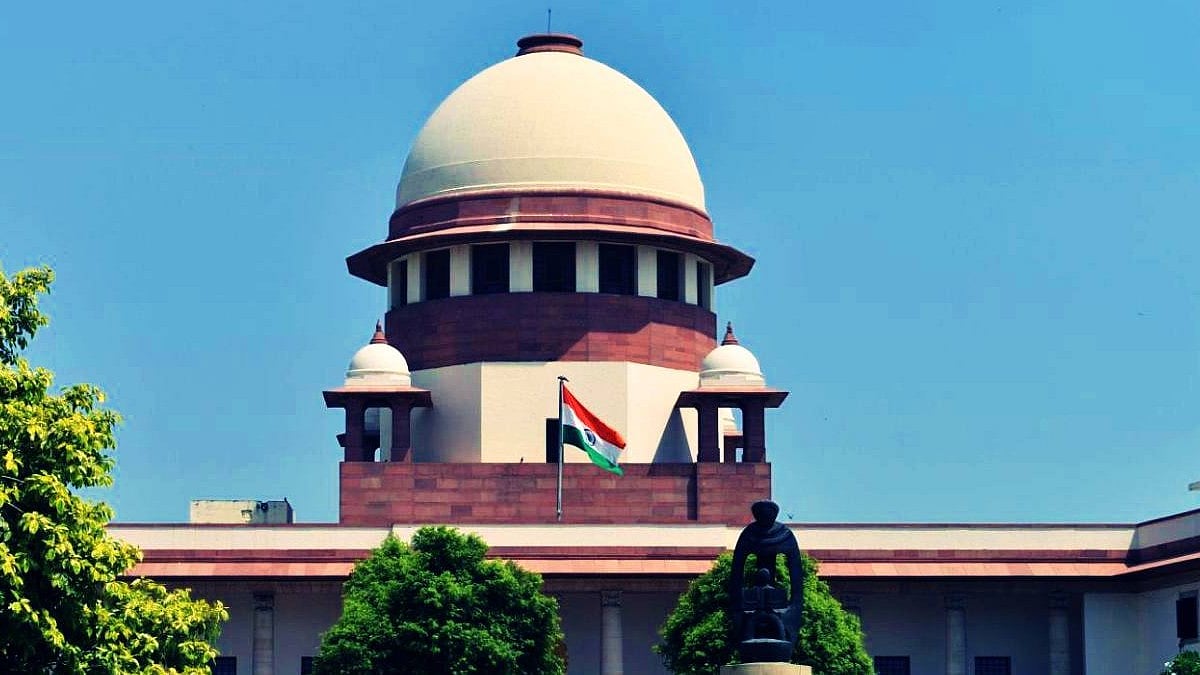
The Supreme Court has expressed concern over the Maharashtra government's approach to opposing bail pleas while failing to ensure speedy trials. This came to light during the hearing of a bail plea by Kelvin Chindozie Okoro, a foreign national who has been in jail for over four years.
Okoro was arrested on May 7, 2022, in connection with a murder case. Despite the passage of time, only two of the 45 witnesses have been examined so far. The Supreme Court Bench, comprising Justices Ahsanuddin Amanullah and Sheel Nagu, questioned the State's counsel about the delay in the trial.
The Bench pointed out that the chargesheet should have been filed within 90 days, and if not, the accused would have been released on bail. Justice Amanullah asked whose responsibility it was to ensure that the trial progressed at a reasonable pace. He also referred to a similar case involving Punjab, where the court had imposed a personal cost on a Senior Superintendent of Police for delays.
The Maharashtra government's counsel attributed the delays to old cases and assured the court that the State was trying to improve its prosecution system. However, Justice Amanullah expressed dissatisfaction with the State's performance, stating that Maharashtra was repeatedly failing in matters concerning personal liberty.
The court noted that Okoro was a foreign national and said that he did not deserve bail at this stage. While dismissing the petition, the court kept the matter pending to consider the Maharashtra government's response to the concerns raised.
The case highlights the issue of trial delays in India, which can result in lengthy periods of incarceration for accused individuals. The Supreme Court's concerns over the Maharashtra government's approach to opposing bail pleas while failing to ensure speedy trials underscore the need for efficient and timely justice.
In recent years, there have been efforts to improve the justice delivery system in India, including the introduction of fast-track courts and measures to reduce pendency. However, the case of Kelvin Chindozie Okoro demonstrates that more needs to be done to ensure that trials are conducted in a timely manner.
The Supreme Court's decision to keep the matter pending suggests that the court is keen to monitor the progress of the trial and ensure that the Maharashtra government takes steps to address the issue of trial delays. This is significant, as it highlights the court's commitment to upholding the principles of justice and protecting the rights of accused individuals.
In conclusion, the Supreme Court's concerns over trial delays in Maharashtra are a reminder of the need for a more efficient and effective justice delivery system in India. The case of Kelvin Chindozie Okoro serves as a stark illustration of the human impact of trial delays and the importance of ensuring that justice is delivered in a timely and fair manner.
The Maharashtra government must take concrete steps to address the issue of trial delays and ensure that the justice delivery system is improved. This includes increasing the number of courts, providing adequate infrastructure, and ensuring that trials are conducted in a timely and efficient manner. Only then can the principles of justice be upheld, and the rights of accused individuals be protected.