Indore Officials Honoured For Innovative Leprosy Screening Model
Indore's leprosy detection approach receives national recognition. Two health officials honoured.
'%3E%3Crect%20width%3D'96'%20height%3D'96'%20fill%3D'%23B3261E'%2F%3E%3Ccircle%20cx%3D'30'%20cy%3D'24'%20r%3D'44'%20fill%3D'%23fff'%20opacity%3D'.12'%2F%3E%3Ccircle%20cx%3D'60'%20cy%3D'74'%20r%3D'40'%20fill%3D'%23000'%20opacity%3D'.10'%2F%3E%3C%2Fg%3E%3Cg%20fill%3D'%23fff'%3E%3Crect%20x%3D'29'%20y%3D'49'%20width%3D'8'%20height%3D'19'%20rx%3D'1'%2F%3E%3Crect%20x%3D'39'%20y%3D'40'%20width%3D'9'%20height%3D'28'%20rx%3D'1'%2F%3E%3Crect%20x%3D'50'%20y%3D'45'%20width%3D'8'%20height%3D'23'%20rx%3D'1'%2F%3E%3Crect%20x%3D'60'%20y%3D'53'%20width%3D'7'%20height%3D'15'%20rx%3D'1'%2F%3E%3Crect%20x%3D'41'%20y%3D'34'%20width%3D'5'%20height%3D'6'%2F%3E%3C%2Fg%3E%3C%2Fsvg%3E)
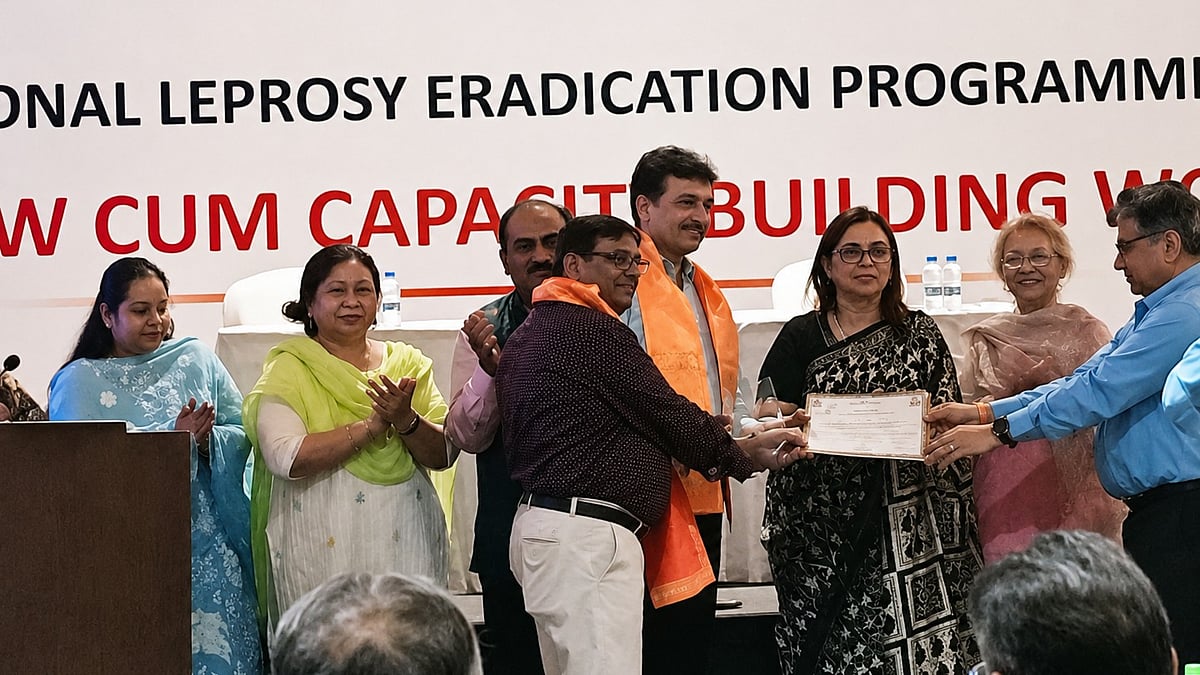
Indore district's innovative approach to leprosy detection and treatment has received national recognition under the National Leprosy Eradication Programme (NLEP).
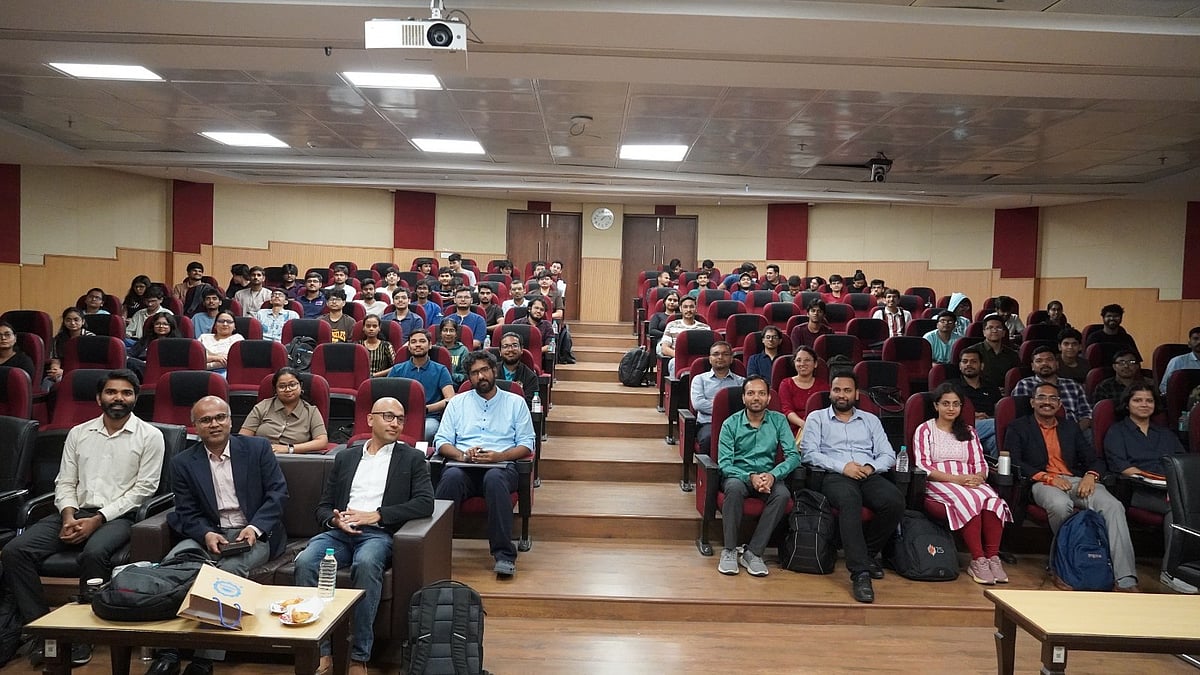
The recognition came during a two-day state-level review meeting in Indore, attended by district leprosy officers from 44 districts. The meeting focused on reviewing the programme's progress and discussing strategies to strengthen capacity and improve efficiency.
Chief Medical and Health Officer Dr Madhav Hasani and District Leprosy Officer Dr Sharad Gupta were honoured for their notable contribution and effective work under the programme. They received the recognition from Additional DGHS Dr Anjana Rajkumar from the Union Ministry of Health and Family Welfare, Deputy Director General (Leprosy) Dr Sunil Geete, and WHO National Programme Officer Dr Rashmi Shukla.
Indore's innovative initiative to conduct leprosy screening among labourers at 'Mazdoor Chowk' during morning hours was particularly appreciated. The district administration maintained complete confidentiality and vigilance during the screening process. All patients identified during screening received complete treatment.
Dr Sunil Geete praised the initiative and suggested that Indore should submit a presentation on the model so that the innovation could be shared and replicated on other platforms. This recognition highlights the district's efforts in effectively implementing the NLEP and improving the health and well-being of its residents.
The National Leprosy Eradication Programme is a nationwide initiative aimed at eliminating leprosy in India. The programme focuses on early detection, treatment, and prevention of disabilities caused by leprosy. Indore's innovative approach to leprosy detection and treatment serves as a model for other districts to follow.
The recognition of Indore's health officials is a testament to the district's commitment to improving public health. The district administration's efforts in implementing the NLEP have yielded positive results, and the innovative leprosy screening model is a significant step towards achieving the programme's goals.
In conclusion, Indore's innovative approach to leprosy detection and treatment has received national recognition, and the district's health officials have been honoured for their notable contribution to the National Leprosy Eradication Programme. This recognition highlights the importance of innovative and effective implementation of public health programmes in improving the health and well-being of residents.
The success of Indore's leprosy screening model can be attributed to the district administration's commitment to maintaining confidentiality and vigilance during the screening process. This approach has helped in early detection and treatment of leprosy cases, preventing disabilities and improving the quality of life for patients.
Overall, the recognition of Indore's health officials is a significant achievement, and the district's innovative approach to leprosy detection and treatment serves as a model for other districts to follow. The National Leprosy Eradication Programme's goals can be achieved through effective implementation and innovative approaches like Indore's leprosy screening model.
Frequently asked questions
What is the National Leprosy Eradication Programme
The National Leprosy Eradication Programme is a nationwide initiative aimed at eliminating leprosy in India.
What is Indore's innovative leprosy screening model
Indore's innovative leprosy screening model involves conducting leprosy screening among labourers at 'Mazdoor Chowk' during morning hours while maintaining complete confidentiality and vigilance.