Bombay High Court Restores Hotel Alankar's Food Licence
Hotel Alankar's food licence restored, court rules suspension cannot continue after compliance.
'%3E%3Crect%20width%3D'96'%20height%3D'96'%20fill%3D'%23B3261E'%2F%3E%3Ccircle%20cx%3D'30'%20cy%3D'24'%20r%3D'44'%20fill%3D'%23fff'%20opacity%3D'.12'%2F%3E%3Ccircle%20cx%3D'60'%20cy%3D'74'%20r%3D'40'%20fill%3D'%23000'%20opacity%3D'.10'%2F%3E%3C%2Fg%3E%3Cg%20fill%3D'%23fff'%3E%3Crect%20x%3D'29'%20y%3D'49'%20width%3D'8'%20height%3D'19'%20rx%3D'1'%2F%3E%3Crect%20x%3D'39'%20y%3D'40'%20width%3D'9'%20height%3D'28'%20rx%3D'1'%2F%3E%3Crect%20x%3D'50'%20y%3D'45'%20width%3D'8'%20height%3D'23'%20rx%3D'1'%2F%3E%3Crect%20x%3D'60'%20y%3D'53'%20width%3D'7'%20height%3D'15'%20rx%3D'1'%2F%3E%3Crect%20x%3D'41'%20y%3D'34'%20width%3D'5'%20height%3D'6'%2F%3E%3C%2Fg%3E%3C%2Fsvg%3E)
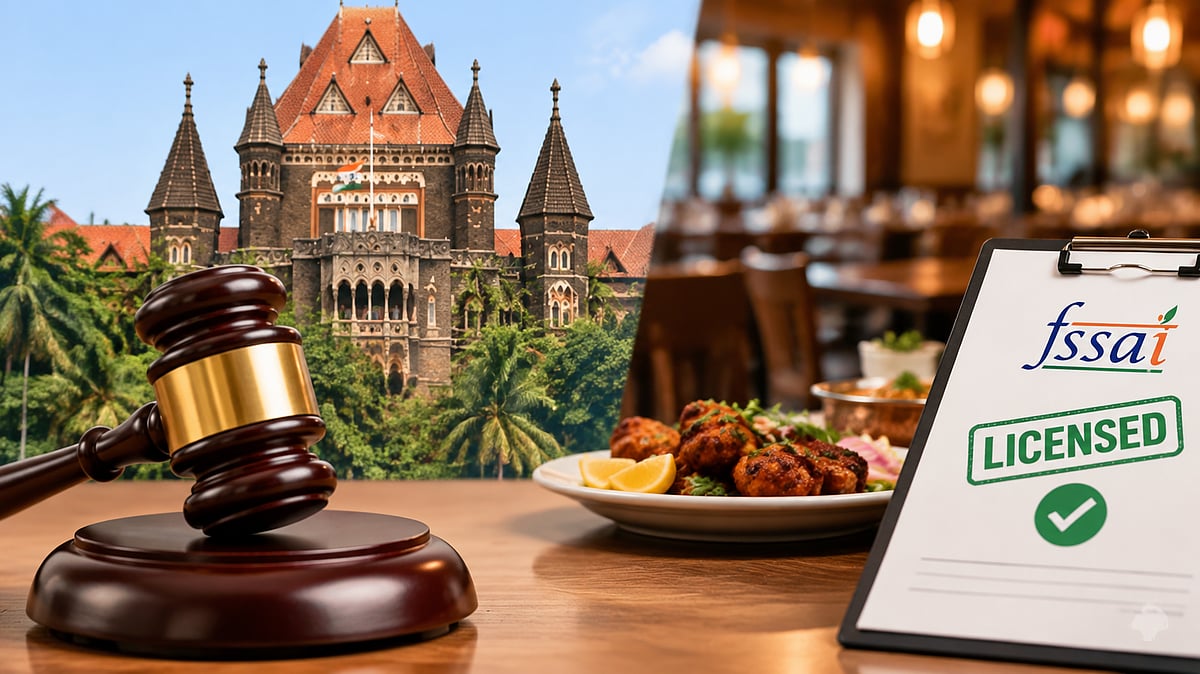
The Bombay High Court has revoked the suspension of Hotel Alankar's food licence, stating that an establishment cannot be kept under suspension indefinitely after rectifying deficiencies.
The hotel, located in Karad, had its licence suspended on July 8 after a surprise inspection revealed several deficiencies, including the sale of beverages not covered by the licence and common storage facilities for vegetarian and non-vegetarian food.
The Food and Drugs Administration (FDA) had cited these issues, among others, and the hotel initially scored 75 out of 110 marks, or 69%, and was marked 'non-compliant'. However, during a re-inspection on July 31, the hotel scored 106 out of 110 marks, or 97%, which under the grading system amounted to 'exemplar' compliance.
Despite this, the appellate authority continued the suspension, citing violations of licence conditions and allegations that the hotel had continued operations during the suspension period. The court found it 'surprising' that the authorities had awarded the establishment 97% marks and certified its compliance as 'exemplar', while continuing the suspension.
The court observed that the purpose of suspending a food licence under the Food Safety and Standards Act is to protect public health, and that suspension cannot continue indefinitely after deficiencies are rectified. The bench stated that the consequence of compliance should result in revocation of the suspension of licence and continued monitoring as mandated by law.
The court quashed the appellate order of August 19, revoked the July 8 suspension order, and restored the hotel's licence. It also directed the proprietor to undertake that products not endorsed on the licence would not be sold.
This ruling highlights the importance of compliance with food safety regulations and the need for authorities to take into account the efforts made by establishments to rectify deficiencies.
The court's decision is significant, as it sets a precedent for the treatment of establishments that have rectified deficiencies and achieved compliance.
In this case, the court's ruling has allowed Hotel Alankar to resume operations, providing a relief to the hotel and its customers.
The decision also underscores the need for authorities to ensure that their actions are proportionate to the violations committed and that they take into account the efforts made by establishments to comply with regulations.
The Bombay High Court's ruling is a welcome move, as it promotes fairness and transparency in the enforcement of food safety regulations.
The court's emphasis on the importance of compliance and the need for continued monitoring is a reminder that food safety is a critical aspect of public health, and that establishments must prioritize it to ensure the well-being of their customers.
In conclusion, the Bombay High Court's decision to restore Hotel Alankar's food licence is a significant ruling that highlights the importance of compliance with food safety regulations and the need for authorities to take into account the efforts made by establishments to rectify deficiencies.
Frequently asked questions
Why was Hotel Alankar's food licence suspended?
The hotel's food licence was suspended due to several deficiencies, including the sale of beverages not covered by the licence and common storage facilities for vegetarian and non-vegetarian food.
What was the outcome of the re-inspection of Hotel Alankar?
The hotel scored 106 out of 110 marks, or 97%, which under the grading system amounted to 'exemplar' compliance.