Iran Forces Mandatory Attendance at Khamenei Funeral, Reports Claim
Iranian authorities are allegedly compelling workers and businesses to participate in Ayatollah Ali Khamenei's funeral through threats and coercion. Reports reveal widespread directives ordering closures and mandatory attendance, with penalties including business seals for those who refuse.

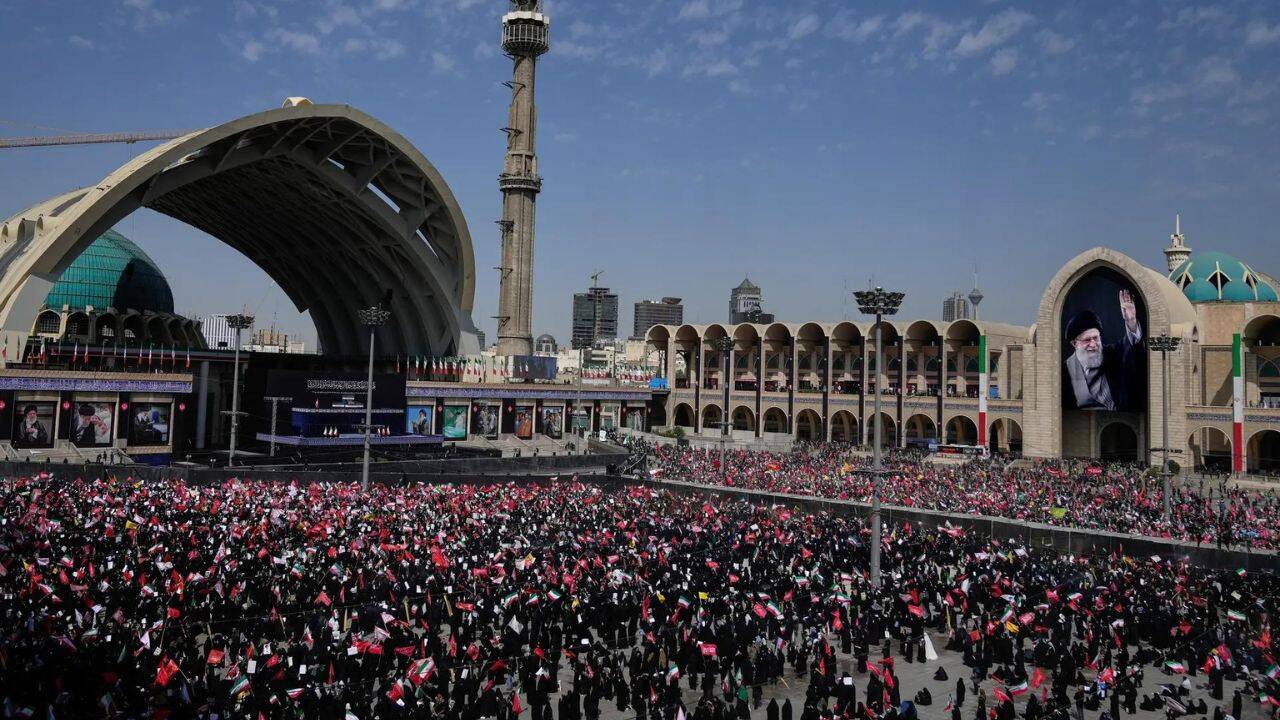
Iranian authorities are reportedly using coercive measures to ensure massive turnout at the funeral ceremonies of Ayatollah Ali Khamenei, according to multiple reports emerging from the country. The alleged campaign involves mandatory attendance directives issued to workers, business owners, and organizations across Iran, backed by threats of severe penalties for non-compliance.
Authorities have reportedly issued widespread orders requiring shops, offices, and commercial establishments to close during the funeral events. Those who fail to comply face the threat of having their businesses sealed by officials, effectively shutting down operations. The pressure extends beyond regular businesses to include charitable organizations and restaurants, which are being pressured to contribute resources and participate in the funeral proceedings. Reports suggest that employers are being held responsible for ensuring their staff members attend the ceremonies.
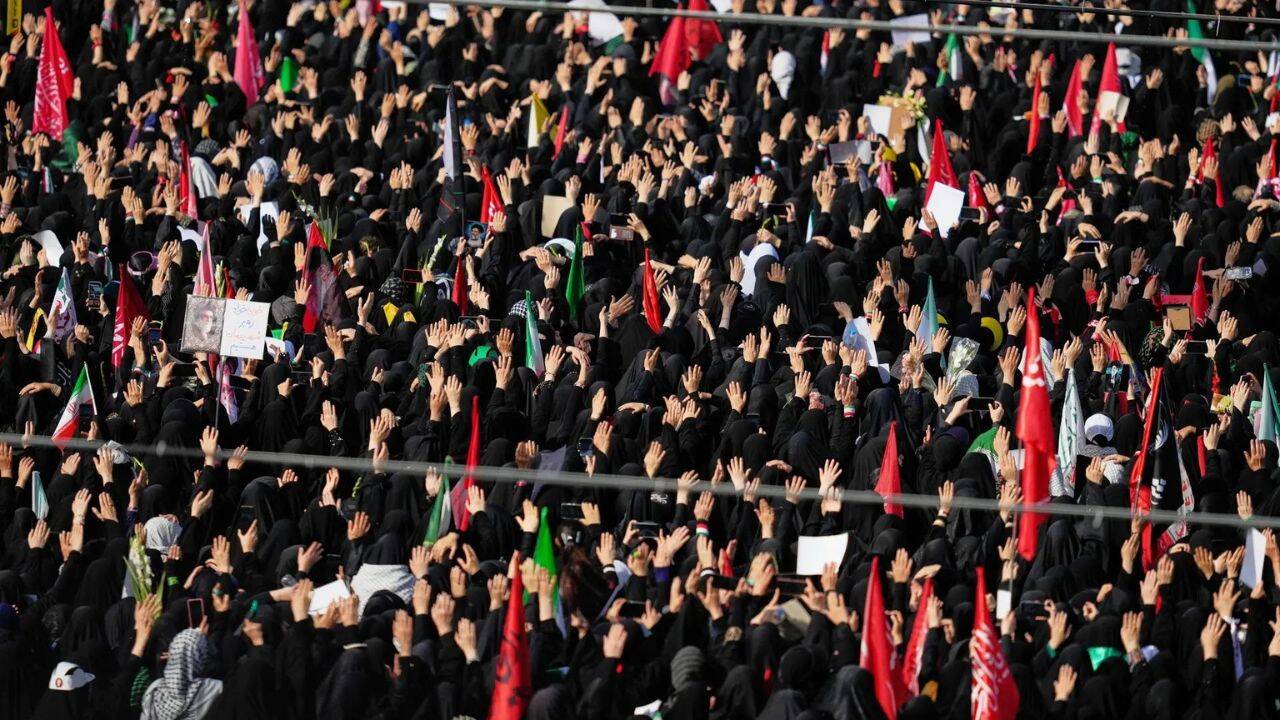
This mobilization represents a significant logistical operation aimed at demonstrating public support and attendance at the funeral of Iran's supreme leader. The use of mandatory attendance directives and business penalties indicates the extent to which authorities are willing to go to orchestrate a large-scale show of participation. Such measures have historically been employed by authoritarian regimes to manufacture appearances of popular support for major state events.
The alleged coercion tactics raise questions about the voluntary nature of participation and public sentiment surrounding the leadership transition. Citizens face practical difficulties in avoiding attendance when employers are mandated to ensure worker participation, and businesses face financial consequences for non-compliance.
The reports highlight the regime's determination to project strength and unity during a significant moment of leadership transition. By compelling widespread participation, authorities aim to create visual spectacles of mass gatherings that can be broadcast internationally and domestically as evidence of public backing for the state.