India's Tiles Sector Sees Growth Amid Red Sea Crisis
India's tiles and marble industry remains optimistic, driven by domestic demand. Strong housing demand and infrastructure growth support sector.
'%3E%3Crect%20width%3D'96'%20height%3D'96'%20fill%3D'%23B3261E'%2F%3E%3Ccircle%20cx%3D'30'%20cy%3D'24'%20r%3D'44'%20fill%3D'%23fff'%20opacity%3D'.12'%2F%3E%3Ccircle%20cx%3D'60'%20cy%3D'74'%20r%3D'40'%20fill%3D'%23000'%20opacity%3D'.10'%2F%3E%3C%2Fg%3E%3Cg%20fill%3D'%23fff'%3E%3Crect%20x%3D'29'%20y%3D'49'%20width%3D'8'%20height%3D'19'%20rx%3D'1'%2F%3E%3Crect%20x%3D'39'%20y%3D'40'%20width%3D'9'%20height%3D'28'%20rx%3D'1'%2F%3E%3Crect%20x%3D'50'%20y%3D'45'%20width%3D'8'%20height%3D'23'%20rx%3D'1'%2F%3E%3Crect%20x%3D'60'%20y%3D'53'%20width%3D'7'%20height%3D'15'%20rx%3D'1'%2F%3E%3Crect%20x%3D'41'%20y%3D'34'%20width%3D'5'%20height%3D'6'%2F%3E%3C%2Fg%3E%3C%2Fsvg%3E)
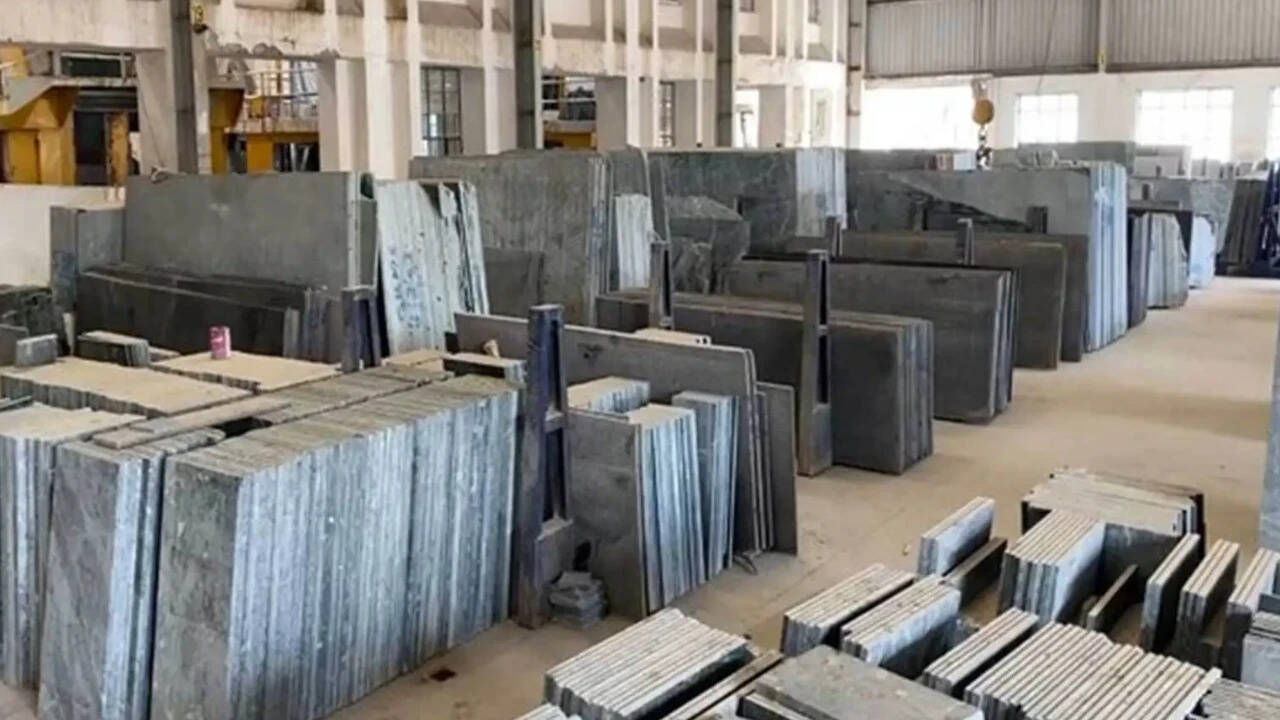
India's tiles and marble sector is expected to continue its growth trajectory, driven by strong domestic housing demand and infrastructure development. Despite the Red Sea crisis, industry stakeholders remain optimistic about the sector's long-term prospects.
The sector's growth is supported by robust residential real estate transactions, which indicate sustained consumer interest in premium housing options. Additionally, expanding commercial projects and infrastructure development will further boost material consumption. However, rising freight costs and supply chain issues present short-term challenges for manufacturers.
The Indian government's focus on urbanization and construction is also expected to drive growth in the sector. As the country continues to urbanize, the demand for housing and infrastructure is likely to increase, leading to higher demand for tiles and marble. Industry stakeholders believe that the sector's growth will be driven by the increasing demand for premium housing options and the government's initiatives to boost infrastructure development.
The tiles and marble sector is a significant contributor to India's economy, with a large number of manufacturers and exporters operating in the country. The sector's growth is also expected to have a positive impact on employment and economic growth. However, the sector faces challenges such as rising input costs and competition from imported products.
Despite these challenges, industry stakeholders remain optimistic about the sector's long-term growth prospects. They believe that the sector's growth will be driven by the increasing demand for housing and infrastructure, and the government's initiatives to boost construction activity. The sector's growth is also expected to be supported by the increasing demand for premium housing options and the expanding commercial projects.
In the short term, the sector may face challenges due to rising freight costs and supply chain issues. However, industry stakeholders believe that these challenges are temporary and that the sector's growth will continue in the long term. The sector's growth is expected to be driven by the increasing demand for housing and infrastructure, and the government's initiatives to boost construction activity.
The Indian government has taken several initiatives to boost the construction sector, including the provision of subsidies and incentives for housing and infrastructure projects. These initiatives are expected to drive growth in the sector and increase demand for tiles and marble. Additionally, the government's focus on urbanization and construction is expected to lead to higher demand for housing and infrastructure, driving growth in the sector.
In conclusion, India's tiles and marble sector is expected to continue its growth trajectory, driven by strong domestic housing demand and infrastructure development. Despite the Red Sea crisis, industry stakeholders remain optimistic about the sector's long-term prospects, driven by urbanization and construction.
Frequently asked questions
What is driving the growth of India's tiles and marble sector?
The growth of India's tiles and marble sector is driven by strong domestic housing demand and infrastructure development.
How will the Red Sea crisis affect India's tiles sector?
The Red Sea crisis is expected to have a short-term impact on the sector, with rising freight costs and supply chain issues presenting challenges for manufacturers.