Supreme Court Clears Way For 42 Deputy Collector Promotions In Madhya Pradesh
Supreme Court dismisses petitions, allows promotions to proceed. Uncertainty ends after nearly a decade.
'%3E%3Crect%20width%3D'96'%20height%3D'96'%20fill%3D'%231A5276'%2F%3E%3Ccircle%20cx%3D'30'%20cy%3D'24'%20r%3D'44'%20fill%3D'%23fff'%20opacity%3D'.12'%2F%3E%3Ccircle%20cx%3D'60'%20cy%3D'74'%20r%3D'40'%20fill%3D'%23000'%20opacity%3D'.10'%2F%3E%3C%2Fg%3E%3Cg%20fill%3D'%23fff'%3E%3Cpath%20d%3D'M31%2041%20L48%2031%20L65%2041%20Z'%2F%3E%3Crect%20x%3D'33'%20y%3D'43'%20width%3D'4'%20height%3D'17'%2F%3E%3Crect%20x%3D'41'%20y%3D'43'%20width%3D'4'%20height%3D'17'%2F%3E%3Crect%20x%3D'51'%20y%3D'43'%20width%3D'4'%20height%3D'17'%2F%3E%3Crect%20x%3D'59'%20y%3D'43'%20width%3D'4'%20height%3D'17'%2F%3E%3Crect%20x%3D'30'%20y%3D'62'%20width%3D'36'%20height%3D'4'%20rx%3D'1'%2F%3E%3C%2Fg%3E%3C%2Fsvg%3E)
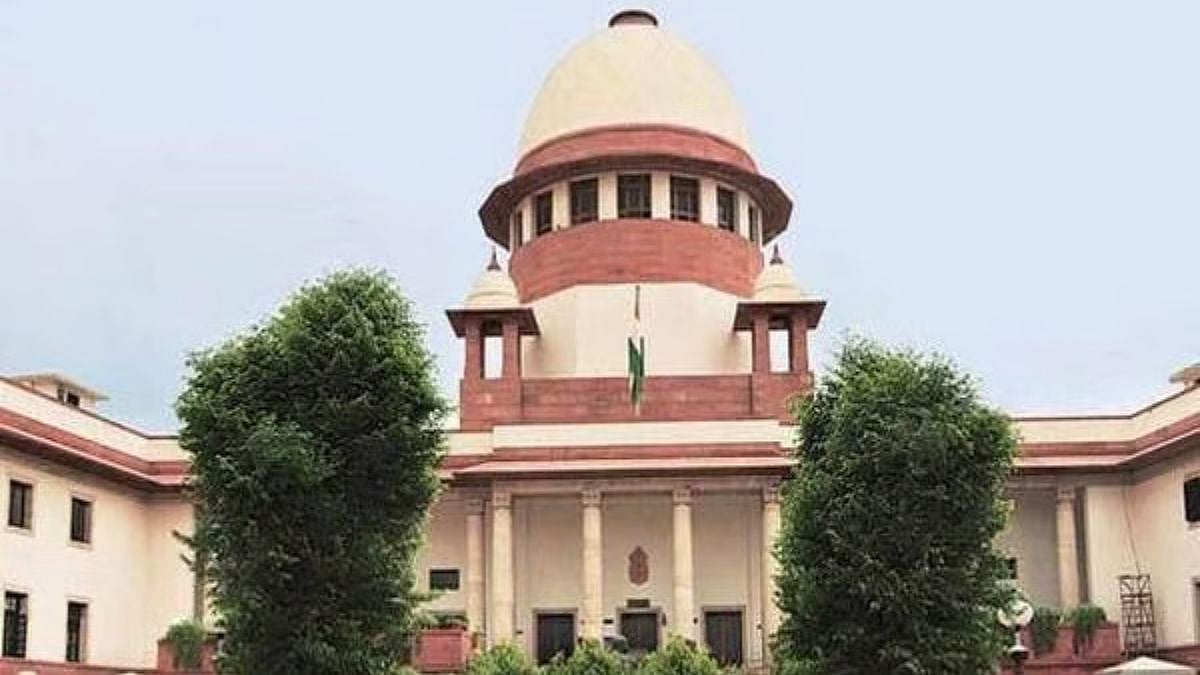
The Supreme Court has cleared the way for promotions to 42 vacant deputy collector posts in Madhya Pradesh. A two-judge Bench comprising Justices Kumar Aravind and Vipul B Pacholi dismissed special leave petitions filed by more than a dozen direct-recruit deputy collectors challenging the Madhya Pradesh High Court’s directions.
The dispute dates back to January 2016, when the State government convened a Departmental Promotion Committee (DPC) for promotions to deputy collector but deferred decisions concerning 42 posts. The reasons included non-availability of annual confidential reports (ACRs), FIRs against officers in the zone of consideration and other grounds.
In August 2023, a Single Bench of the Madhya Pradesh High Court found the withholding of promotions arbitrary and contrary to Rule 6 of the applicable Promotion Rules. It directed the State to convene the DPC and grant promotion, seniority and consequential benefits retrospectively from January 1, 2016.
The State challenged the decision through a review petition and subsequently before the Division Bench. On July 1, 2026, the Division Bench affirmed the Single Bench’s view and directed the State to convene the DPC within 45 days for all 42 posts.
The direct recruits approached the Supreme Court contending that granting retrospective promotions over 10 years would severely prejudice them, potentially pushing them 42 ranks down, despite having served as deputy collectors since December 2016. However, the Supreme Court held that the SLPs were premature.
The court observed that the direct recruits’ grievance, if any, would arise only after the DPC concluded its exercise and the State issued promotion orders. The petitions were dismissed, while granting the direct recruits liberty to challenge the promotion orders before the High Court later if they remained aggrieved.
Under Madhya Pradesh’s service rules, deputy collector posts are filled equally through direct recruitment and promotion, with promotions drawn from tehsildars and Surveyor Land Records (SLRs). The promotions remained stalled for almost 10 years, causing uncertainty for the eligible officers.
The Supreme Court’s decision allows the State government to proceed with the DPC for all 42 posts, bringing an end to the nearly decade-long uncertainty. The eligible officers will receive notional seniority and pay-related benefits retrospectively from January 1, 2016.
The decision is significant as it upholds the principle of fairness and equity in promotions, ensuring that eligible officers are not denied their rightful benefits due to administrative delays or procedural lapses. The Supreme Court’s ruling will have far-reaching implications for the careers of the affected officers and will help to restore their morale and motivation.
In conclusion, the Supreme Court’s decision has brought clarity and finality to the long-pending issue of promotions to deputy collector posts in Madhya Pradesh. The State government can now proceed with the DPC, and the eligible officers will receive their due benefits, ending a decade of uncertainty and anxiety.
The promotions will not only benefit the individual officers but also enhance the overall efficiency and effectiveness of the administrative machinery in Madhya Pradesh. The decision is a testament to the judiciary’s commitment to upholding the principles of fairness, equity, and justice in the governance of the country.
The Madhya Pradesh government will now have to convene the DPC within the stipulated timeframe and ensure that the promotions are made in a fair and transparent manner. The affected officers will have to wait for the outcome of the DPC, but they can take comfort in the knowledge that their rights and interests have been protected by the Supreme Court.
The Supreme Court’s decision will have a positive impact on the morale of the officers and will help to boost their confidence in the system. It will also serve as a reminder to the administrative authorities to ensure that promotions are made in a timely and fair manner, without any undue delays or prejudices.
In the end, the Supreme Court’s decision has brought a sense of closure and finality to the long-pending issue of promotions to deputy collector posts in Madhya Pradesh. The affected officers can now look forward to a brighter future, and the administrative machinery in the state can function more efficiently and effectively.
The decision is a significant milestone in the history of the Madhya Pradesh administration, and it will have far-reaching implications for the careers of the affected officers and the overall governance of the state. The Supreme Court’s ruling has upheld the principles of fairness, equity, and justice, and it will serve as a beacon of hope for the officers who have been waiting for their rightful promotions for nearly a decade.
The Madhya Pradesh government must now take immediate action to implement the Supreme Court’s decision and ensure that the promotions are made in a fair and transparent manner. The affected officers must also be prepared to take up their new roles and responsibilities, and they must be given the necessary support and training to enable them to perform their duties effectively.
The Supreme Court’s decision has brought a new era of hope and optimism for the affected officers, and it will have a positive impact on the overall governance of Madhya Pradesh. The decision is a testament to the power of the judiciary to uphold the principles of fairness, equity, and justice, and it will serve as a reminder to the administrative authorities to ensure that promotions are made in a timely and fair manner.
What it means for Madhya Pradesh is that the state can now move forward with the promotions, and the affected officers can receive their due benefits. The decision will have a positive impact on the morale of the officers and will help to boost their confidence in the system. It will also serve as a reminder to the administrative authorities to ensure that promotions are made in a timely and fair manner, without any undue delays or prejudices.
In conclusion, the Supreme Court’s decision is a significant milestone in the history of the Madhya Pradesh administration, and it will have far-reaching implications for the careers of the affected officers and the overall governance of the state. The decision upholds the principles of fairness, equity, and justice, and it will serve as a beacon of hope for the officers who have been waiting for their rightful promotions for nearly a decade.
Frequently asked questions
What is the Supreme Court's decision on deputy collector promotions in Madhya Pradesh?
The Supreme Court has cleared the way for promotions to 42 vacant deputy collector posts in Madhya Pradesh, allowing the State government to proceed with the DPC.
What are the implications of the Supreme Court's decision for the affected officers?
The eligible officers will receive notional seniority and pay-related benefits retrospectively from January 1, 2016, and the promotions will enhance their careers and morale.