Govt Monitors SpiceJet Finances Amid Crisis
SpiceJet faces financial difficulties, delayed salary payments. Govt and DGCA closely monitor finances and operations.
'%3E%3Crect%20width%3D'96'%20height%3D'96'%20fill%3D'%23B3261E'%2F%3E%3Ccircle%20cx%3D'30'%20cy%3D'24'%20r%3D'44'%20fill%3D'%23fff'%20opacity%3D'.12'%2F%3E%3Ccircle%20cx%3D'60'%20cy%3D'74'%20r%3D'40'%20fill%3D'%23000'%20opacity%3D'.10'%2F%3E%3C%2Fg%3E%3Cg%20fill%3D'%23fff'%3E%3Crect%20x%3D'29'%20y%3D'49'%20width%3D'8'%20height%3D'19'%20rx%3D'1'%2F%3E%3Crect%20x%3D'39'%20y%3D'40'%20width%3D'9'%20height%3D'28'%20rx%3D'1'%2F%3E%3Crect%20x%3D'50'%20y%3D'45'%20width%3D'8'%20height%3D'23'%20rx%3D'1'%2F%3E%3Crect%20x%3D'60'%20y%3D'53'%20width%3D'7'%20height%3D'15'%20rx%3D'1'%2F%3E%3Crect%20x%3D'41'%20y%3D'34'%20width%3D'5'%20height%3D'6'%2F%3E%3C%2Fg%3E%3C%2Fsvg%3E)
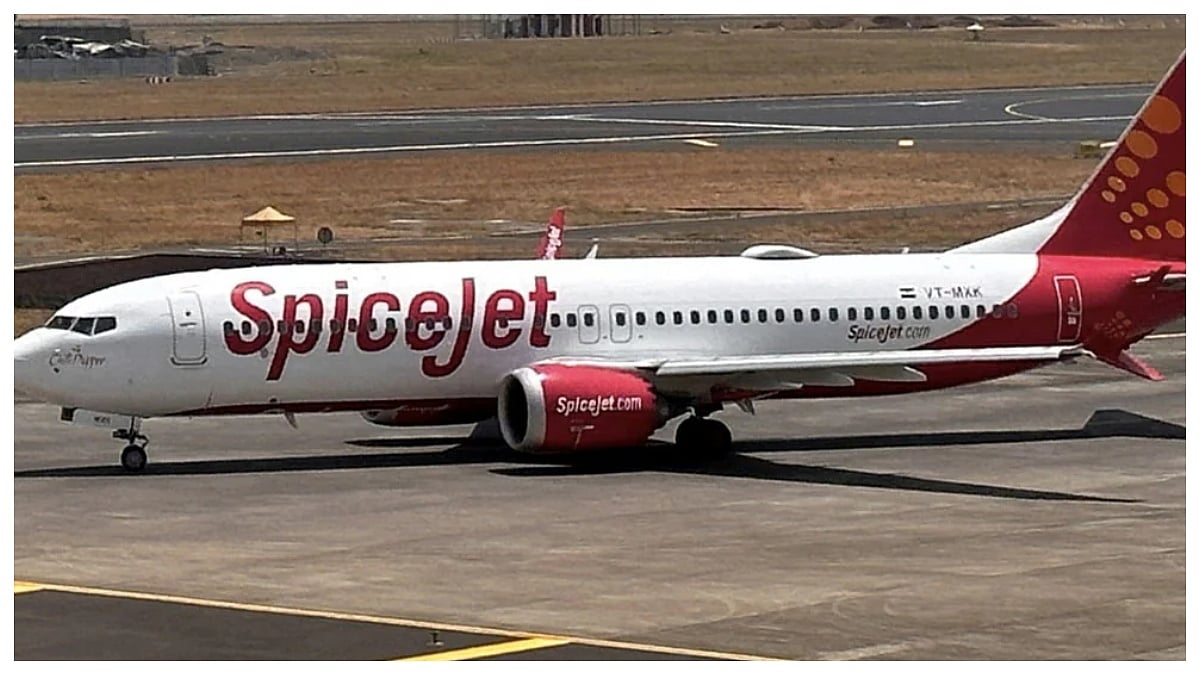
The Indian government and the Directorate General of Civil Aviation (DGCA) are closely monitoring the financial health and operational performance of SpiceJet, a budget airline facing significant challenges. According to Civil Aviation Minister K Rammohan Naidu, the government is keeping a close watch on the airline's financials and operations.
SpiceJet has been under pressure due to a reduction in its operational fleet and a decline in its share of India's domestic aviation market. The airline's domestic market share fell to 1.6% in July, compared to 1.9% in June. This decline has been steady since February, when the market share stood at 3.9%.
The airline is dealing with substantial financial difficulties, including delayed salary payments to employees. Several staff members have not received their salaries since May. SpiceJet currently operates a fleet of 11 aircraft, according to data available on fleet tracking website planespotters.net.
In an effort to rebuild capacity, SpiceJet announced on September 3 that it had completed lease agreements with three aircraft operators to bring 20 planes into its fleet. The planned additions include 15 Boeing and five Airbus aircraft under damp and wet lease arrangements. The airline intends to use the aircraft to strengthen operations during the winter schedule.
The aircraft are scheduled to join the fleet in phases between mid-October and mid-November, ahead of the winter travel peak beginning with the Durga Puja period. The induction will strengthen capacity across SpiceJet's domestic and international network and provide additional capacity through the winter and the following peak summer travel season.
The government's close monitoring of SpiceJet's finances and operations is a significant development, given the airline's importance in India's domestic aviation market. The airline's financial difficulties and decline in market share have raised concerns about its ability to operate efficiently and effectively.
The DGCA's involvement in monitoring SpiceJet's operations is also crucial, as it ensures that the airline meets the necessary safety and regulatory standards. The government's and DGCA's close watch on SpiceJet's finances and operations is expected to continue, as the airline works to rebuild its capacity and regain its market share.
In terms of the airline's financial performance, SpiceJet's shares came under pressure on Thursday, falling 5.32% to ₹8.89 at the close. This decline in share price reflects the airline's financial difficulties and the challenges it faces in rebuilding its capacity and regaining its market share.
Overall, the government's and DGCA's close monitoring of SpiceJet's finances and operations is a significant development, given the airline's importance in India's domestic aviation market. The airline's financial difficulties and decline in market share have raised concerns about its ability to operate efficiently and effectively, and the government's and DGCA's involvement is expected to continue as the airline works to rebuild its capacity and regain its market share.
The situation with SpiceJet has significant implications for India's aviation industry, as the airline's financial difficulties and decline in market share could have a ripple effect on the entire industry. The government's and DGCA's close monitoring of SpiceJet's finances and operations is a crucial step in ensuring that the airline meets the necessary safety and regulatory standards, and that it is able to operate efficiently and effectively.
In conclusion, the government's and DGCA's close monitoring of SpiceJet's finances and operations is a significant development, given the airline's importance in India's domestic aviation market. The airline's financial difficulties and decline in market share have raised concerns about its ability to operate efficiently and effectively, and the government's and DGCA's involvement is expected to continue as the airline works to rebuild its capacity and regain its market share.
Frequently asked questions
What is the current market share of SpiceJet in India's domestic aviation market?
SpiceJet's domestic market share fell to 1.6% in July, compared to 1.9% in June.
How many aircraft is SpiceJet planning to induct into its fleet?
SpiceJet is planning to induct 20 new aircraft into its fleet, including 15 Boeing and five Airbus aircraft.