Govt Rules Out Ethanol Blending Beyond 20%
No plans to increase ethanol blending, Govt says. E20 transition phased and evidence-based.
'%3E%3Crect%20width%3D'96'%20height%3D'96'%20fill%3D'%231B5E20'%2F%3E%3Ccircle%20cx%3D'30'%20cy%3D'24'%20r%3D'44'%20fill%3D'%23fff'%20opacity%3D'.12'%2F%3E%3Ccircle%20cx%3D'60'%20cy%3D'74'%20r%3D'40'%20fill%3D'%23000'%20opacity%3D'.10'%2F%3E%3C%2Fg%3E%3Cg%3E%3Ccircle%20cx%3D'48'%20cy%3D'48'%20r%3D'15'%20fill%3D'%23fff'%2F%3E%3Cpath%20d%3D'M43%2034%20Q50%2048%2043%2062'%20fill%3D'none'%20stroke%3D'%238a94a6'%20stroke-width%3D'2.4'%2F%3E%3Cpath%20d%3D'M47%2033%20Q54%2048%2047%2063'%20fill%3D'none'%20stroke%3D'%238a94a6'%20stroke-width%3D'1.8'%20stroke-dasharray%3D'1.5%203'%2F%3E%3C%2Fg%3E%3C%2Fsvg%3E)
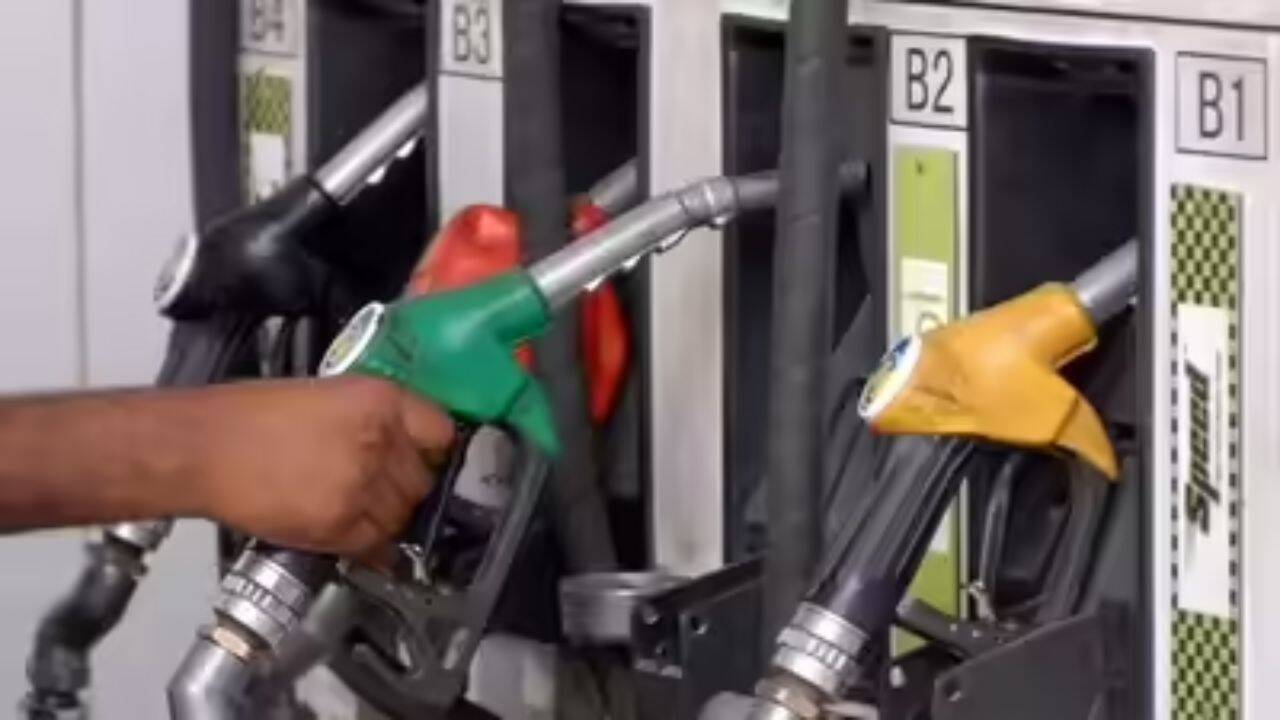
The Indian government has announced that it has not made any decision to increase ethanol blending in petrol beyond the current 20% limit. This clarification comes amidst speculation about the potential expansion of ethanol blending in the country's fuel mix.
The government has emphasized that the transition to E20, or 20% ethanol blending, has been a gradual and evidence-based process. This phased approach has allowed for the evaluation of the impact of ethanol blending on vehicles and the environment.
According to the government, lower-blended fuel or pure petrol will not be available at select outlets, indicating a commitment to the E20 standard. The government has also stated that any future plans for diesel blending will depend on evaluations and consultations with stakeholders.
Claims that E20 causes damage to vehicles have been largely dismissed by the government as misleading or unsupported by technical evidence. The government's stance on ethanol blending is aimed at reducing the country's dependence on fossil fuels and promoting the use of renewable energy sources.
The decision to maintain the current ethanol blending limit is significant, as it will impact the country's fuel policy and the automotive industry. The government's emphasis on evidence-based decision-making and stakeholder consultations suggests a cautious approach to fuel policy.
The use of ethanol as a fuel additive has been promoted by the government as a way to reduce greenhouse gas emissions and improve air quality. The E20 standard is seen as a step towards achieving these goals, and the government's decision to maintain the current limit suggests a commitment to this objective.
In the context of India's energy policy, the decision on ethanol blending is crucial. The country has set ambitious targets for reducing its dependence on fossil fuels and promoting the use of renewable energy sources. The government's approach to ethanol blending will be closely watched by the automotive industry, farmers, and other stakeholders.
The government's decision to rule out ethanol blending beyond 20% will have implications for the country's fuel market and the environment. As the country continues to promote the use of renewable energy sources, the role of ethanol blending in achieving this objective will be critical.
In conclusion, the government's decision to maintain the current ethanol blending limit is a significant development in the country's fuel policy. The emphasis on evidence-based decision-making and stakeholder consultations suggests a cautious approach to fuel policy, and the commitment to the E20 standard will have implications for the automotive industry and the environment.
Frequently asked questions
What is the current limit for ethanol blending in petrol in India?
The current limit for ethanol blending in petrol in India is 20%.
Will lower-blended fuel or pure petrol be available at select outlets?
No, lower-blended fuel or pure petrol will not be available at select outlets.