Western Railway Conducts 1,523 Food Safety Inspections
Western Railway steps up food safety checks, conducts inspections and tests samples.
'%3E%3Crect%20width%3D'96'%20height%3D'96'%20fill%3D'%23B3261E'%2F%3E%3Ccircle%20cx%3D'30'%20cy%3D'24'%20r%3D'44'%20fill%3D'%23fff'%20opacity%3D'.12'%2F%3E%3Ccircle%20cx%3D'60'%20cy%3D'74'%20r%3D'40'%20fill%3D'%23000'%20opacity%3D'.10'%2F%3E%3C%2Fg%3E%3Cg%20fill%3D'%23fff'%3E%3Crect%20x%3D'29'%20y%3D'49'%20width%3D'8'%20height%3D'19'%20rx%3D'1'%2F%3E%3Crect%20x%3D'39'%20y%3D'40'%20width%3D'9'%20height%3D'28'%20rx%3D'1'%2F%3E%3Crect%20x%3D'50'%20y%3D'45'%20width%3D'8'%20height%3D'23'%20rx%3D'1'%2F%3E%3Crect%20x%3D'60'%20y%3D'53'%20width%3D'7'%20height%3D'15'%20rx%3D'1'%2F%3E%3Crect%20x%3D'41'%20y%3D'34'%20width%3D'5'%20height%3D'6'%2F%3E%3C%2Fg%3E%3C%2Fsvg%3E)
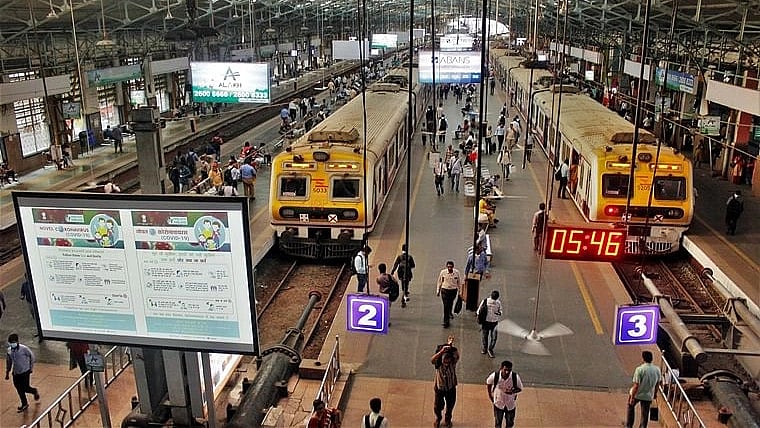
Western Railway has intensified its food safety checks at catering stalls across its network, conducting 1,523 regular and surprise inspections till July. The inspections focused on food hygiene, water quality, cooking oil, and compliance with catering norms.
As part of the exercise, 855 food samples were tested, while 142 water samples, including packaged drinking water, were collected for quality checks. The railway has also deployed 48 Total Polar Material (TPM) meters to monitor the quality of oil used for frying items.
The TPM meters help officials determine whether repeatedly used cooking oil remains within permissible limits. The railway has also removed 1,587 kg of waste from catering locations during its cleanliness and food-safety drives.
A special campaign is currently being conducted from August 15 to 31, during which around 300 inspections are planned. Officials are checking unauthorised food vendors, fire-safety arrangements, approved food items, and the quality and quantity of food served on trains.
The intensified checks come amid growing scrutiny of food quality and hygiene in public places, with the FDA conducting inspections and enforcement drives across the state. Western Railway's expanded monitoring is aimed at ensuring that passengers are provided safe food and drinking water while travelling.
The focus on cooking oil is particularly significant as repeated use can affect food quality. The deployment of TPM meters allows railway officials to carry out on-the-spot checks instead of relying only on visual inspection.
With thousands of passengers depending on railway catering services every day, the ongoing inspections are expected to keep food vendors under closer scrutiny and ensure compliance with prescribed safety and hygiene standards.
The Western Railway's efforts to improve food safety are crucial, given the large number of passengers who rely on railway catering services. The inspections and testing of food samples will help to identify and address any food safety concerns, ensuring that passengers have access to safe and healthy food options while travelling.
The removal of waste from catering locations is also an important aspect of the railway's food safety efforts. By keeping catering areas clean and free of waste, the railway can help to prevent the spread of illnesses and ensure a more pleasant travel experience for passengers.
Overall, the Western Railway's intensified food safety checks are a positive step towards ensuring the health and well-being of its passengers. The ongoing inspections and testing of food samples will help to maintain high standards of food safety and hygiene, providing passengers with a safer and more enjoyable travel experience.
The significance of this initiative lies in its potential to improve the overall travel experience for passengers. By providing safe and healthy food options, the Western Railway can help to build trust and confidence among its passengers, which is essential for its reputation and success.
In conclusion, the Western Railway's food safety inspections are an important initiative that aims to ensure the health and well-being of its passengers. The inspections and testing of food samples will help to identify and address any food safety concerns, providing passengers with a safer and more enjoyable travel experience.
Frequently asked questions
Why is Western Railway conducting food safety inspections?
Western Railway is conducting food safety inspections to ensure that passengers are provided safe food and drinking water while travelling.
What is the purpose of deploying TPM meters?
The TPM meters are used to monitor the quality of oil used for frying items and to determine whether repeatedly used cooking oil remains within permissible limits.