South Korea Restaurant Owner Faces Prison Over Ant Dessert
Michelin-starred restaurant owner may face prison and fine for serving ant-topped dessert. Prosecutors seek 1 year in prison and £10,108 fine.
'%3E%3Crect%20width%3D'96'%20height%3D'96'%20fill%3D'%23B3261E'%2F%3E%3Ccircle%20cx%3D'30'%20cy%3D'24'%20r%3D'44'%20fill%3D'%23fff'%20opacity%3D'.12'%2F%3E%3Ccircle%20cx%3D'60'%20cy%3D'74'%20r%3D'40'%20fill%3D'%23000'%20opacity%3D'.10'%2F%3E%3C%2Fg%3E%3Cg%20fill%3D'%23fff'%3E%3Crect%20x%3D'29'%20y%3D'49'%20width%3D'8'%20height%3D'19'%20rx%3D'1'%2F%3E%3Crect%20x%3D'39'%20y%3D'40'%20width%3D'9'%20height%3D'28'%20rx%3D'1'%2F%3E%3Crect%20x%3D'50'%20y%3D'45'%20width%3D'8'%20height%3D'23'%20rx%3D'1'%2F%3E%3Crect%20x%3D'60'%20y%3D'53'%20width%3D'7'%20height%3D'15'%20rx%3D'1'%2F%3E%3Crect%20x%3D'41'%20y%3D'34'%20width%3D'5'%20height%3D'6'%2F%3E%3C%2Fg%3E%3C%2Fsvg%3E)
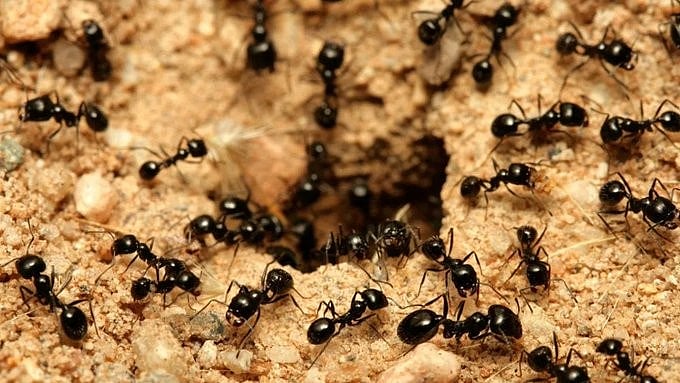
A Michelin-starred restaurant owner in South Korea is facing a potential prison sentence of up to one year for serving a dessert topped with ants, an ingredient not approved for human consumption under the country's food safety laws.
The restaurant, located in the upscale Gangnam district of Seoul, has been indicted for allegedly violating the Food Sanitation Act. The investigation was sparked by social media posts referencing ant-based dishes, rather than a routine inspection.
The restaurant allegedly served a sorbet dessert sprinkled with ants to customers who opted for the topping. However, South Korean regulations only permit the use of 10 specific insect species as food ingredients, and ants are not on the approved list.
To use an unapproved insect, businesses must obtain temporary approval, a procedure the restaurant allegedly failed to follow. The prosecution claims that the restaurant imported dried ants from the United States and Thailand from 2021 and served them on dishes for about four years, generating around £60,647 in revenue.
The defence has disputed the prosecution's estimates, arguing that only about 60% of customers accepted the ant topping when offered. They also pointed out that only a few dishes on the restaurant's 15-course menu contained ants and noted that restaurants in countries including Denmark, the UK, and Australia use ants as an ingredient.
The restaurant's chef had previously used ants to add acidity to dishes while working in the US and Europe and had not realised that doing so was illegal in South Korea. Sentencing is scheduled for September 2.
The case highlights the importance of adhering to food safety regulations and the potential consequences of violating them. The use of unapproved ingredients can pose a risk to public health and safety, and businesses must take steps to ensure that they are complying with relevant laws and regulations.
The incident also raises questions about the use of insects as food ingredients and the varying regulations surrounding their use in different countries. While some countries permit the use of certain insects as food, others may have stricter regulations or prohibitions.
In South Korea, the Ministry of Food and Drug Safety is responsible for enforcing food safety laws and regulations. The ministry has the authority to inspect food establishments and take enforcement action against businesses that violate food safety laws.
The case against the Michelin-starred restaurant owner serves as a reminder of the importance of complying with food safety regulations and the potential consequences of non-compliance.
The outcome of the case will be closely watched, and the sentencing on September 2 will provide further clarity on the matter. For now, the restaurant owner faces a potential prison sentence and fine for serving a dessert topped with ants, an ingredient not approved for human consumption in South Korea.
Frequently asked questions
What is the maximum penalty for violating South Korea's Food Sanitation Act?
The maximum penalty is five years in prison or a fine of 50 million won.
Why was the Michelin-starred restaurant owner indicted?
The owner was indicted for allegedly serving a dessert topped with ants, an ingredient not approved for human consumption in South Korea.