India Sees Rise in Foreign Funding Despite Stricter FCRA Rules
Foreign funding to NGOs increases, registered NGOs decline to 14,500
'%3E%3Crect%20width%3D'96'%20height%3D'96'%20fill%3D'%23B3261E'%2F%3E%3Ccircle%20cx%3D'30'%20cy%3D'24'%20r%3D'44'%20fill%3D'%23fff'%20opacity%3D'.12'%2F%3E%3Ccircle%20cx%3D'60'%20cy%3D'74'%20r%3D'40'%20fill%3D'%23000'%20opacity%3D'.10'%2F%3E%3C%2Fg%3E%3Cg%20fill%3D'%23fff'%3E%3Crect%20x%3D'29'%20y%3D'49'%20width%3D'8'%20height%3D'19'%20rx%3D'1'%2F%3E%3Crect%20x%3D'39'%20y%3D'40'%20width%3D'9'%20height%3D'28'%20rx%3D'1'%2F%3E%3Crect%20x%3D'50'%20y%3D'45'%20width%3D'8'%20height%3D'23'%20rx%3D'1'%2F%3E%3Crect%20x%3D'60'%20y%3D'53'%20width%3D'7'%20height%3D'15'%20rx%3D'1'%2F%3E%3Crect%20x%3D'41'%20y%3D'34'%20width%3D'5'%20height%3D'6'%2F%3E%3C%2Fg%3E%3C%2Fsvg%3E)
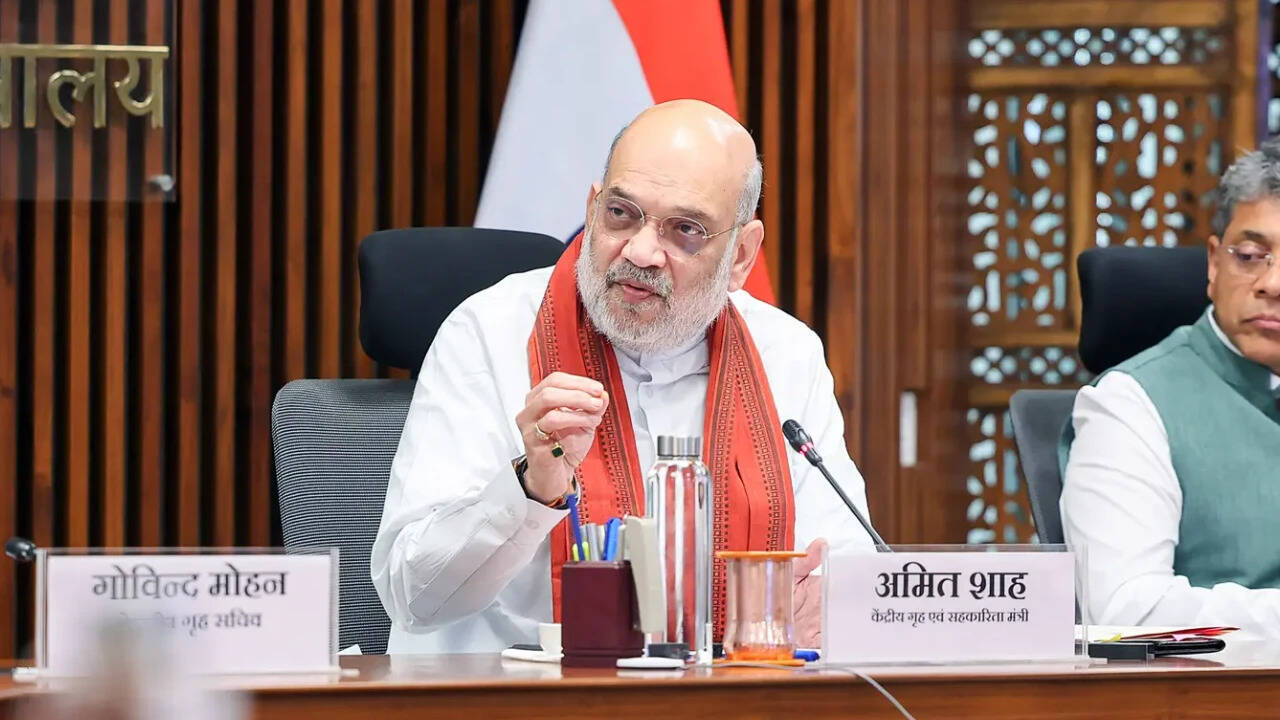
The Indian government's tightening of Foreign Contribution Regulation Act (FCRA) rules has not deterred foreign contributions to non-governmental organizations (NGOs). In fact, despite stricter regulations, foreign funding has seen a surge. However, the number of registered NGOs has taken a hit, with only 14,500 currently registered, a significant drop from the several lakh that existed in the past.
The decline in registered NGOs can be attributed to the government's efforts to streamline and regulate foreign funding. The government has emphasized that the amendments to the FCRA rules are aimed at enhancing oversight and transparency in specific foreign-funded channels, without hindering the broader civil society framework.
The FCRA rules were put in place to regulate the receipt and utilization of foreign contributions by NGOs. The rules require NGOs to register with the government and obtain prior permission for receiving foreign funds. The government has been tightening these rules in recent years, citing concerns over national security and the need to prevent foreign interference in domestic affairs.
Despite these efforts, foreign contributions to NGOs have continued to flow in. This suggests that foreign donors are still keen on supporting Indian NGOs, despite the regulatory hurdles. The surge in foreign funding is a testament to the importance of NGOs in India's social and economic landscape.
The government's stance on foreign funding has been a subject of debate, with some arguing that the regulations are too restrictive and others claiming that they are necessary to prevent misuse of foreign funds. The decline in registered NGOs has raised concerns among some sections of civil society, who fear that the regulations may be stifling the growth of the non-profit sector.
However, the government maintains that the regulations are necessary to ensure that foreign funds are used for legitimate purposes and to prevent their misuse. The government has also emphasized that the regulations are not intended to hinder the work of genuine NGOs, but rather to enhance transparency and accountability in the sector.
In the context of India's growing economy and social landscape, the role of NGOs is becoming increasingly important. NGOs play a crucial role in addressing social and economic issues, such as poverty, education, and healthcare. The surge in foreign funding is a recognition of the importance of NGOs in addressing these issues.
The Indian government's efforts to regulate foreign funding are part of a broader effort to enhance transparency and accountability in the non-profit sector. While the regulations may have resulted in a decline in registered NGOs, they are also intended to ensure that foreign funds are used for legitimate purposes and to prevent their misuse.
In conclusion, the rise in foreign funding to NGOs despite stricter FCRA rules is a significant development. It highlights the importance of NGOs in India's social and economic landscape and the need for transparency and accountability in the non-profit sector. The government's efforts to regulate foreign funding are intended to enhance oversight and transparency, without hindering the work of genuine NGOs.
The implications of this development are far-reaching. It suggests that foreign donors are still keen on supporting Indian NGOs, despite regulatory hurdles. It also highlights the need for the government to strike a balance between regulating foreign funding and allowing NGOs to operate freely. As the non-profit sector continues to grow and evolve, it is likely that the debate over foreign funding and regulation will continue.
The government's stance on foreign funding is likely to have a significant impact on the non-profit sector. While the regulations may have resulted in a decline in registered NGOs, they are also intended to enhance transparency and accountability. As the sector continues to evolve, it is likely that the government will need to balance the need for regulation with the need to allow NGOs to operate freely.
In the end, the rise in foreign funding to NGOs despite stricter FCRA rules is a complex issue with far-reaching implications. It highlights the importance of NGOs in India's social and economic landscape and the need for transparency and accountability in the non-profit sector. As the government continues to regulate foreign funding, it is likely that the debate over the issue will continue, with significant implications for the non-profit sector and the country as a whole.
Frequently asked questions
What is the current number of registered NGOs in India?
There are currently 14,500 registered NGOs in India, a significant drop from the several lakh that existed in the past.
Why has the government tightened FCRA rules?
The government has tightened FCRA rules to enhance oversight and transparency in specific foreign-funded channels, without hindering the broader civil society framework.