Beed Man Held Captive in Myanmar Reports Electric Shocks, 800 Indians Trapped
A man from Beed, Maharashtra, held captive in Myanmar has revealed horrific conditions to his family, including electric shocks and forced labour. He reports approximately 800 Indian nationals are trapped in similar situations, raising serious concerns about human trafficking networks.

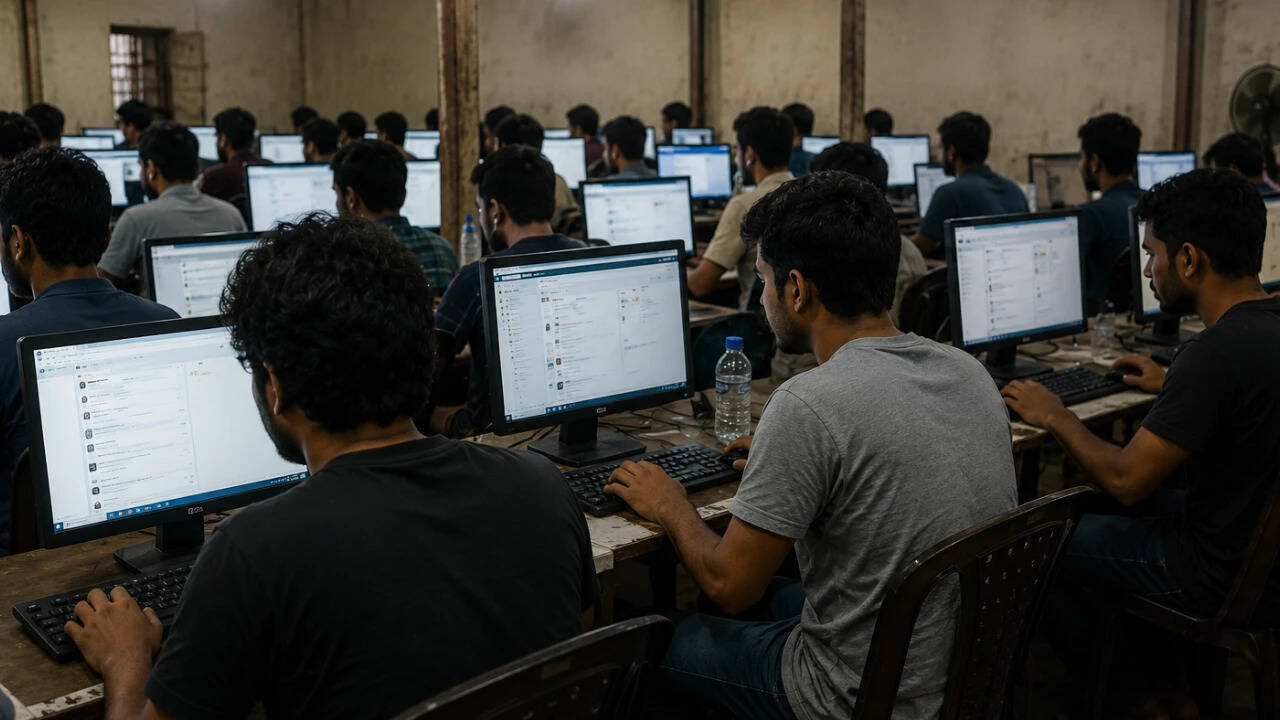
A resident of Beed district in Maharashtra has broken silence about his ordeal as a captive in Myanmar, exposing a disturbing pattern of abuse and exploitation affecting hundreds of Indian nationals. The man, whose identity is being protected by his family, has documented severe mistreatment including electric shocks, physical torture, and forced labour under deplorable conditions.
According to communications the captive has managed to send to relatives in Maharashtra, he estimates that approximately 800 Indian nationals are currently held in similar circumstances across Myanmar. His accounts paint a grim picture of organized trafficking networks that lure victims with false promises of employment, only to subject them to systematic abuse and confinement. The revelations have alarmed family members who have begun reaching out to authorities seeking intervention and rescue efforts.
The captive's testimony reveals a coordinated operation designed to extract maximum labour from prisoners while maintaining control through intimidation and violence. Victims are reportedly denied communication with the outside world, subjected to inadequate food and living conditions, and threatened with further harm if they attempt escape or contact authorities. The use of electric shocks appears to be a deliberate punishment mechanism for non-compliance or resistance.
This case highlights the vulnerability of Indian workers seeking employment abroad, particularly in Southeast Asian nations where regulatory oversight remains weak. Trafficking syndicates exploit economic desperation and limited awareness about verification of job opportunities, targeting economically disadvantaged regions like Beed where employment options are limited. The scale suggested by this single victim—800 trapped nationals—indicates a far larger crisis than previously acknowledged.
Family members have escalated the matter to government agencies and non-governmental organizations working on human trafficking issues. The case has prompted calls for stronger pre-employment verification systems, increased awareness campaigns about labour trafficking risks, and coordinated diplomatic efforts with Myanmar authorities to secure the release of trapped Indian nationals. Authorities are now investigating potential recruitment networks operating within Maharashtra that may be facilitating these criminal operations.
Source: TOI India