HC Asks Maha Govt to Respond to Pleas on Security Law
Maha govt to reply to pleas, HC reviews security law
'%3E%3Crect%20width%3D'96'%20height%3D'96'%20fill%3D'%231A5276'%2F%3E%3Ccircle%20cx%3D'30'%20cy%3D'24'%20r%3D'44'%20fill%3D'%23fff'%20opacity%3D'.12'%2F%3E%3Ccircle%20cx%3D'60'%20cy%3D'74'%20r%3D'40'%20fill%3D'%23000'%20opacity%3D'.10'%2F%3E%3C%2Fg%3E%3Cg%20fill%3D'%23fff'%3E%3Cpath%20d%3D'M31%2041%20L48%2031%20L65%2041%20Z'%2F%3E%3Crect%20x%3D'33'%20y%3D'43'%20width%3D'4'%20height%3D'17'%2F%3E%3Crect%20x%3D'41'%20y%3D'43'%20width%3D'4'%20height%3D'17'%2F%3E%3Crect%20x%3D'51'%20y%3D'43'%20width%3D'4'%20height%3D'17'%2F%3E%3Crect%20x%3D'59'%20y%3D'43'%20width%3D'4'%20height%3D'17'%2F%3E%3Crect%20x%3D'30'%20y%3D'62'%20width%3D'36'%20height%3D'4'%20rx%3D'1'%2F%3E%3C%2Fg%3E%3C%2Fsvg%3E)
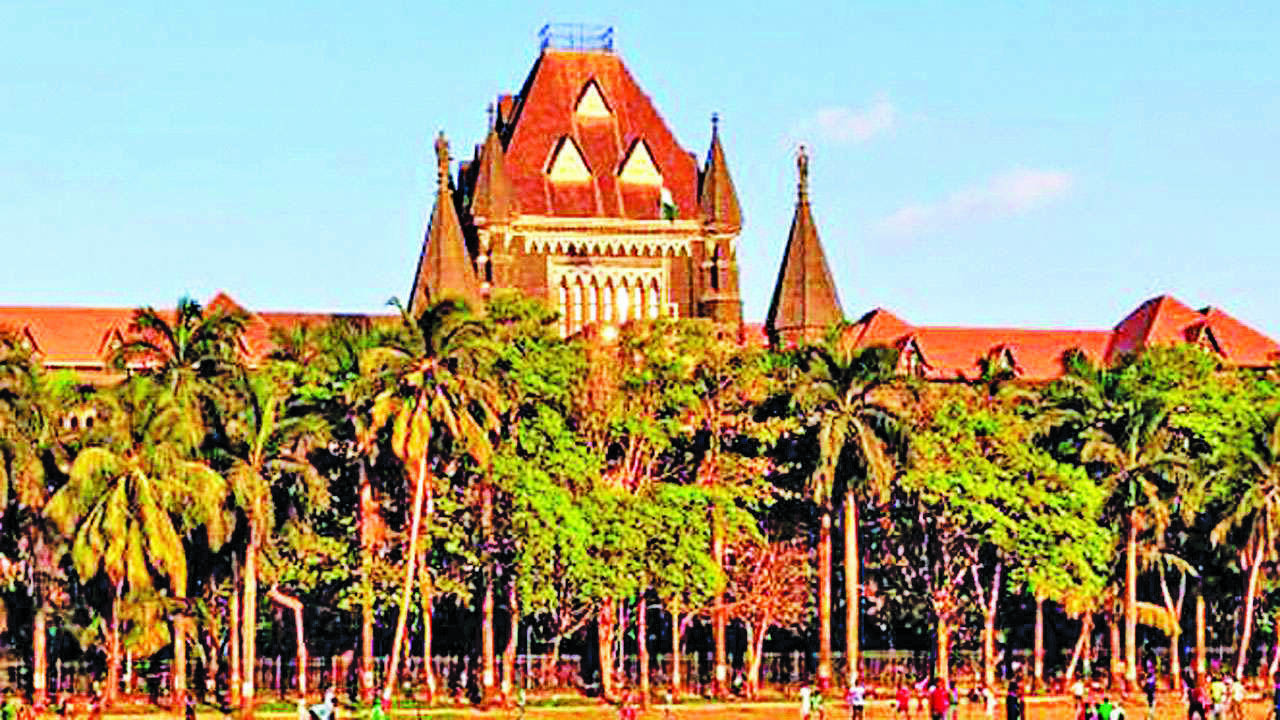
The Bombay High Court has directed the Maharashtra government to respond to pleas challenging the constitutionality of a special public security law. The law in question has been facing opposition from various groups, who claim it infringes upon individual rights.
The High Court's decision comes after a series of petitions were filed, arguing that the law is overly broad and can be used to target specific communities. The petitioners have also raised concerns about the potential for abuse of power and the impact on freedom of speech.
The Maharashtra government has been given a deadline to submit its response to the pleas. The government will have to justify the law and demonstrate how it balances individual rights with the need for public security.
The special public security law was enacted to address concerns about law and order in the state. However, its implementation has been met with resistance from civil society groups and opposition parties. They argue that the law gives excessive powers to the police and can be used to suppress dissent.
The High Court's review of the law is significant, as it will determine the fate of the legislation. If the court rules in favor of the petitioners, the law may be struck down or amended to address the concerns raised.
The case has sparked a debate about the balance between public security and individual rights. While the government argues that the law is necessary to maintain order, critics claim that it undermines democratic principles.
The Maharashtra government's response to the pleas will be crucial in determining the outcome of the case. The government will have to provide convincing arguments to justify the law and demonstrate how it will be used to protect the public while respecting individual rights.
The High Court's decision is expected to have far-reaching implications for the state and its citizens. It will set a precedent for how public security laws are enacted and implemented, and will have a significant impact on the balance between individual rights and public security.
In the context of Maharashtra's history of public security laws, this case is particularly significant. The state has seen several instances of laws being enacted to address law and order concerns, only to be challenged in court later.
The outcome of this case will be closely watched by civil society groups, opposition parties, and citizens who are concerned about the impact of the law on their rights. It will also have implications for the state government's ability to enact and implement public security laws in the future.
The Bombay High Court's review of the special public security law is a crucial step in ensuring that the law is constitutional and respects individual rights. The court's decision will have a significant impact on the state and its citizens, and will set a precedent for how public security laws are enacted and implemented in the future.
The case highlights the importance of judicial oversight in ensuring that laws are enacted and implemented in a way that respects individual rights and democratic principles. It also underscores the need for a balanced approach to public security, one that takes into account the need for order while also protecting individual freedoms.
In conclusion, the Bombay High Court's decision to review the special public security law is a significant development in the ongoing debate about the balance between public security and individual rights. The outcome of the case will have far-reaching implications for the state and its citizens, and will set a precedent for how public security laws are enacted and implemented in the future.
Frequently asked questions
What is the special public security law being challenged in court?
The law in question is a special public security law enacted by the Maharashtra government to address concerns about law and order in the state.
Why are groups opposing the law?
Groups are opposing the law because they claim it infringes upon individual rights, is overly broad, and can be used to target specific communities.