Rats Rebound on Henderson Island After Poisoning
Rats survived poisoning, rebounded quickly. Conservation effort failed.
'%3E%3Crect%20width%3D'96'%20height%3D'96'%20fill%3D'%231B5E20'%2F%3E%3Ccircle%20cx%3D'30'%20cy%3D'24'%20r%3D'44'%20fill%3D'%23fff'%20opacity%3D'.12'%2F%3E%3Ccircle%20cx%3D'60'%20cy%3D'74'%20r%3D'40'%20fill%3D'%23000'%20opacity%3D'.10'%2F%3E%3C%2Fg%3E%3Cg%3E%3Ccircle%20cx%3D'48'%20cy%3D'48'%20r%3D'15'%20fill%3D'%23fff'%2F%3E%3Cpath%20d%3D'M43%2034%20Q50%2048%2043%2062'%20fill%3D'none'%20stroke%3D'%238a94a6'%20stroke-width%3D'2.4'%2F%3E%3Cpath%20d%3D'M47%2033%20Q54%2048%2047%2063'%20fill%3D'none'%20stroke%3D'%238a94a6'%20stroke-width%3D'1.8'%20stroke-dasharray%3D'1.5%203'%2F%3E%3C%2Fg%3E%3C%2Fsvg%3E)
In 2011, a large-scale rat eradication effort was undertaken on Henderson Island in the South Pacific. The conservationists involved in the project spread approximately 75 tonnes of poisoned bait across the island in an attempt to eliminate the rat population. However, despite the extensive use of poisoned bait, a small group of rats, estimated to be between 60 and 80, managed to survive the poisoning.
The survival of these rats proved to be a significant setback for the conservation effort, as they were able to rapidly repopulate the island. Within a span of just two years, the rat population on Henderson Island had recovered substantially, returning to its former levels. This rapid rebound is a testament to the resilience of invasive species and the challenges associated with achieving complete eradication.
The Henderson Island rat eradication project highlights the difficulties faced by conservationists in their efforts to eliminate invasive species from remote and isolated ecosystems. The project's outcome serves as a reminder that even the most extensive and well-planned conservation efforts can be undone by the survival of just a few individuals of an invasive species.
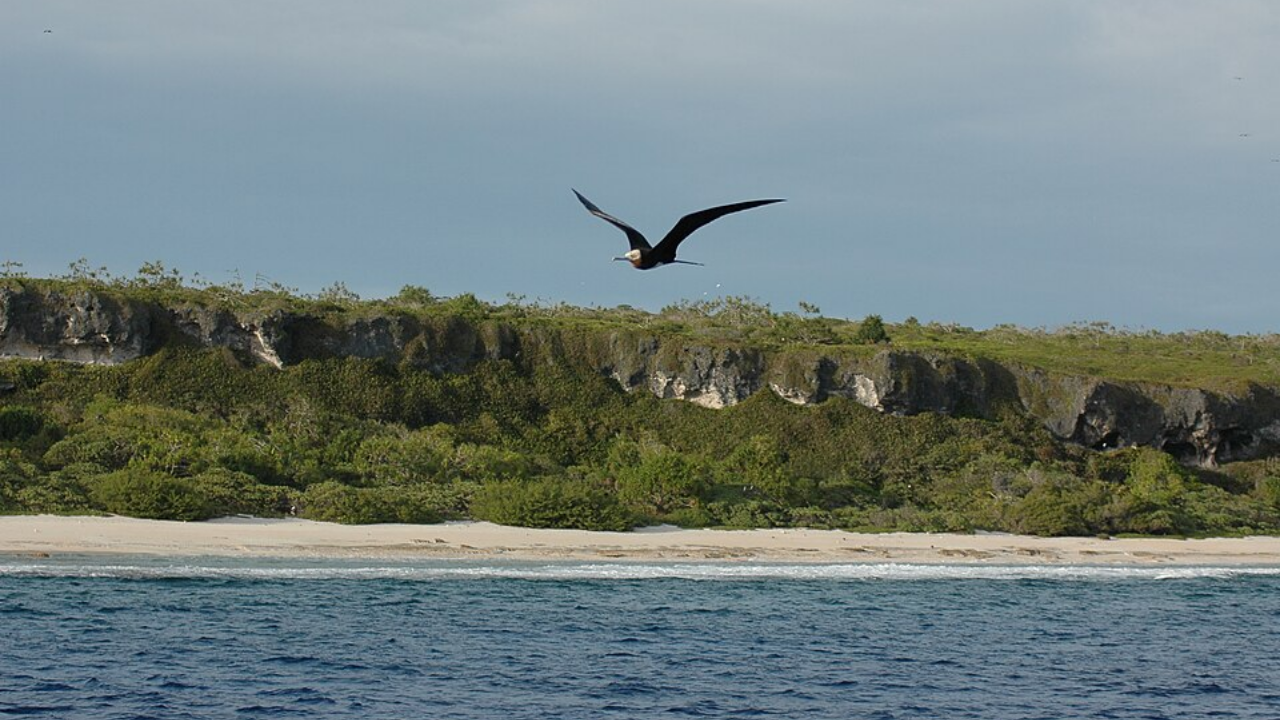
Henderson Island, a UNESCO World Heritage Site, is a small, uninhabited coral island in the South Pacific Ocean. The island's ecosystem is fragile and vulnerable to the impacts of invasive species, which can cause significant damage to the native flora and fauna. The introduction of rats to the island has had a devastating impact on the native species, leading to a decline in population numbers and a loss of biodiversity.
The failure of the rat eradication project on Henderson Island has significant implications for conservation efforts elsewhere. It underscores the need for careful planning, meticulous execution, and ongoing monitoring to ensure the success of such projects. Furthermore, it highlights the importance of addressing the root causes of invasive species introductions, such as human activity and climate change, to prevent the spread of invasive species to remote and vulnerable ecosystems.
In conclusion, the rebound of the rat population on Henderson Island after the poisoning effort serves as a reminder of the complexities and challenges associated with conservation efforts. It emphasizes the need for a comprehensive and sustained approach to addressing the impacts of invasive species and protecting vulnerable ecosystems.
The conservation of Henderson Island's ecosystem is crucial, not only for the preservation of its native species but also for maintaining the health and resilience of the island's ecosystem as a whole. The experience gained from the rat eradication project can inform and improve future conservation efforts, both on Henderson Island and elsewhere, to ensure the long-term protection of vulnerable ecosystems.
The story of the rat eradication project on Henderson Island is a cautionary tale about the resilience of invasive species and the challenges of conservation efforts. It serves as a reminder that even the most well-intentioned efforts can have unintended consequences and that a comprehensive and sustained approach is necessary to achieve success in conservation.
In the context of global conservation efforts, the experience on Henderson Island highlights the importance of learning from failures and using them to improve future projects. It also emphasizes the need for international cooperation and collaboration to address the global issue of invasive species and their impacts on vulnerable ecosystems.
Ultimately, the rebound of the rat population on Henderson Island after the poisoning effort is a significant reminder of the complexities and challenges associated with conservation efforts. It underscores the need for careful planning, meticulous execution, and ongoing monitoring to ensure the success of such projects and to protect vulnerable ecosystems from the impacts of invasive species.
Frequently asked questions
What happened to the rat population on Henderson Island after poisoning?
The rat population rebounded significantly within two years.
How much poisoned bait was used on Henderson Island?
Approximately 75 tonnes of poisoned bait were used.