Lok Sabha Passes Bill to Revise UPI Charges
Lok Sabha passes bill to simplify tax rules, revise UPI charges, and enhance investment attractiveness.
'%3E%3Crect%20width%3D'96'%20height%3D'96'%20fill%3D'%231A5276'%2F%3E%3Ccircle%20cx%3D'30'%20cy%3D'24'%20r%3D'44'%20fill%3D'%23fff'%20opacity%3D'.12'%2F%3E%3Ccircle%20cx%3D'60'%20cy%3D'74'%20r%3D'40'%20fill%3D'%23000'%20opacity%3D'.10'%2F%3E%3C%2Fg%3E%3Cg%20fill%3D'%23fff'%3E%3Cpath%20d%3D'M31%2041%20L48%2031%20L65%2041%20Z'%2F%3E%3Crect%20x%3D'33'%20y%3D'43'%20width%3D'4'%20height%3D'17'%2F%3E%3Crect%20x%3D'41'%20y%3D'43'%20width%3D'4'%20height%3D'17'%2F%3E%3Crect%20x%3D'51'%20y%3D'43'%20width%3D'4'%20height%3D'17'%2F%3E%3Crect%20x%3D'59'%20y%3D'43'%20width%3D'4'%20height%3D'17'%2F%3E%3Crect%20x%3D'30'%20y%3D'62'%20width%3D'36'%20height%3D'4'%20rx%3D'1'%2F%3E%3C%2Fg%3E%3C%2Fsvg%3E)
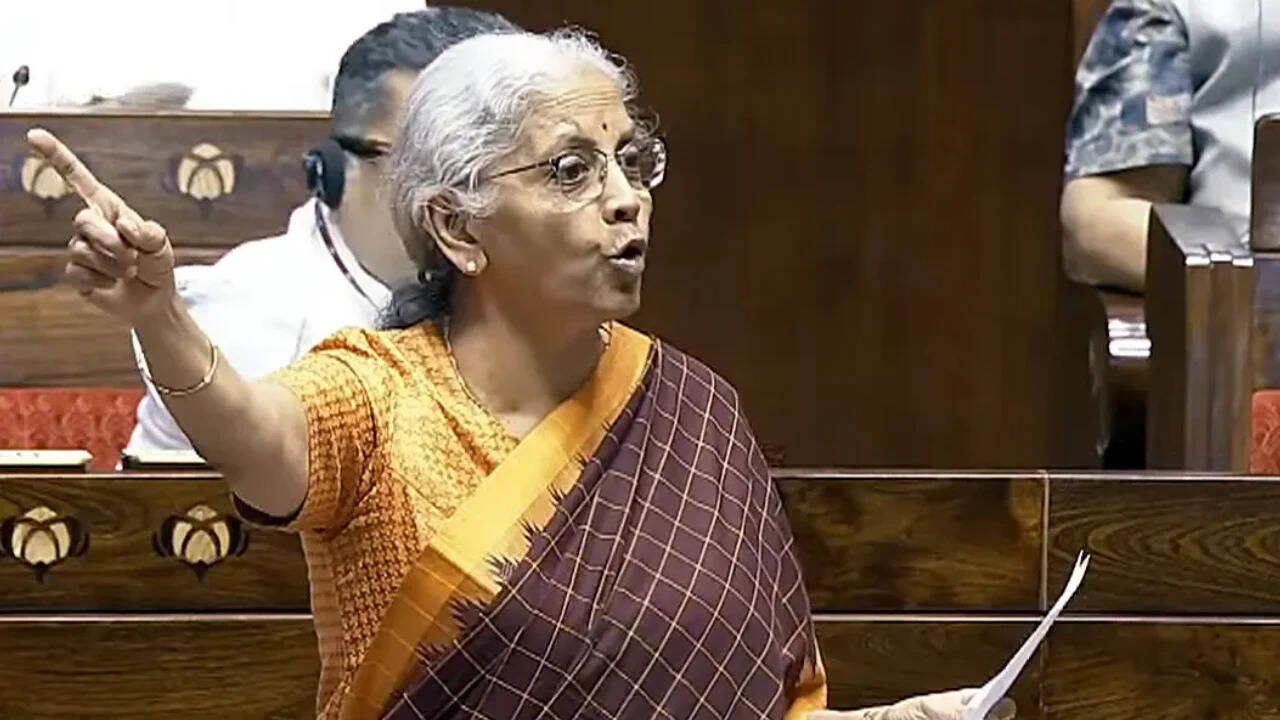
The Lok Sabha has passed a bill that aims to simplify tax rules and enhance investment attractiveness in the country.
The new legislation removes a limitation on specific electronic payment options, allowing banks and providers to charge merchants on transactions. This move is expected to drive advancements in the financial sector's infrastructure and innovative capabilities.
The bill also empowers the government to revise the zero-MDR (Merchant Discount Rate) scheme for UPI (Unified Payments Interface) and RuPay. The zero-MDR scheme was introduced to promote digital payments in the country. However, it has been a burden on banks and payment providers, who have been bearing the costs of transactions.
The revision of the zero-MDR scheme is expected to help banks and payment providers to recover their costs and invest in improving their services. This, in turn, is expected to drive innovation and advancements in the financial sector.
The passage of the bill is a significant step towards simplifying tax rules and enhancing investment attractiveness in the country. It is expected to have a positive impact on the financial sector and the economy as a whole.
The government has been working towards promoting digital payments in the country, and the passage of this bill is a major step in that direction. The use of digital payments has been increasing rapidly in the country, and this move is expected to further boost their adoption.
The bill will now be sent to the Rajya Sabha for approval. If passed, it will become a law and will have a significant impact on the financial sector.
In terms of context, the Indian government has been actively working to promote digital payments and enhance the investment attractiveness of the country. The passage of this bill is a major step in that direction, and it is expected to have a positive impact on the economy.
Overall, the passage of the bill is a significant development that is expected to drive advancements in the financial sector and enhance investment attractiveness in the country.
The impact of this bill will be felt across the country, and it is expected to have a significant impact on the financial sector and the economy. The government's efforts to promote digital payments and simplify tax rules are expected to pay off, and the country is expected to see significant growth in the financial sector.
In conclusion, the Lok Sabha's passage of the bill to revise UPI charges is a significant step towards simplifying tax rules and enhancing investment attractiveness in the country. It is expected to have a positive impact on the financial sector and the economy, and it will be interesting to see how it plays out in the coming months.
Frequently asked questions
What is the purpose of the bill passed by the Lok Sabha?
The bill aims to simplify tax rules and enhance investment attractiveness in the country by revising UPI charges and the zero-MDR scheme.
What is the zero-MDR scheme?
The zero-MDR scheme is a policy that promotes digital payments by not charging merchants a discount rate on transactions.