US Avocado Imports Cut Nitrogen Pollution 10%
New US import rules reduce chemical use in Mexican avocado farms. Cleaner production methods benefit environment.
'%3E%3Crect%20width%3D'96'%20height%3D'96'%20fill%3D'%23B3261E'%2F%3E%3Ccircle%20cx%3D'30'%20cy%3D'24'%20r%3D'44'%20fill%3D'%23fff'%20opacity%3D'.12'%2F%3E%3Ccircle%20cx%3D'60'%20cy%3D'74'%20r%3D'40'%20fill%3D'%23000'%20opacity%3D'.10'%2F%3E%3C%2Fg%3E%3Cg%20fill%3D'%23fff'%3E%3Crect%20x%3D'29'%20y%3D'49'%20width%3D'8'%20height%3D'19'%20rx%3D'1'%2F%3E%3Crect%20x%3D'39'%20y%3D'40'%20width%3D'9'%20height%3D'28'%20rx%3D'1'%2F%3E%3Crect%20x%3D'50'%20y%3D'45'%20width%3D'8'%20height%3D'23'%20rx%3D'1'%2F%3E%3Crect%20x%3D'60'%20y%3D'53'%20width%3D'7'%20height%3D'15'%20rx%3D'1'%2F%3E%3Crect%20x%3D'41'%20y%3D'34'%20width%3D'5'%20height%3D'6'%2F%3E%3C%2Fg%3E%3C%2Fsvg%3E)
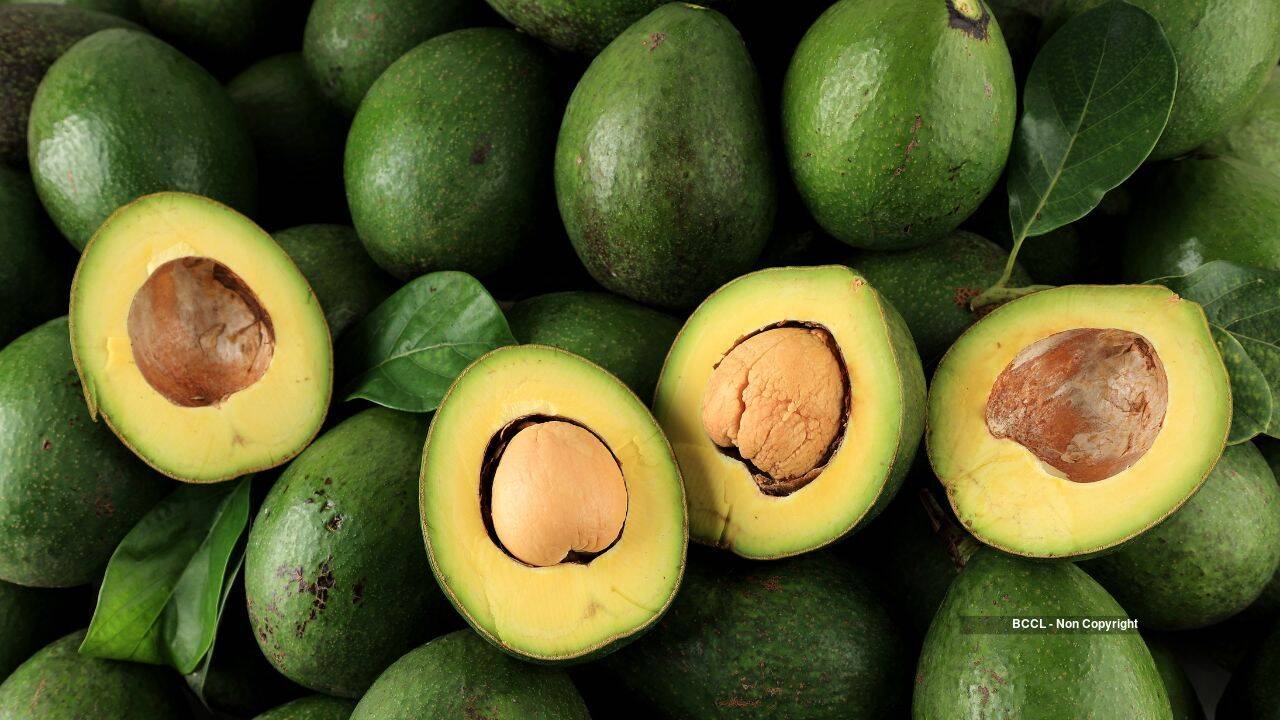
The United States' new import rules for Mexican avocados have led to a significant reduction in chemical use by growers, resulting in a 10% decrease in nitrogen pollution in nearby Mexican waterways. This change was prompted by stricter inspections and the requirement for phytosanitary certificates, which encouraged more careful pest management practices among Mexican avocado farmers.
The new rules, implemented by the US, aimed to ensure that imported avocados met certain standards of quality and safety. To comply with these regulations, Mexican growers had to adopt more sustainable farming practices, reducing their reliance on chemicals and minimizing their environmental impact.
The reduction in nitrogen pollution is a significant environmental benefit, as excessive nitrogen levels can harm aquatic ecosystems and contaminate water sources. The decrease in chemical use also contributes to a healthier environment for both humans and wildlife.
The US import rules demonstrate how trade policies can have unexpected environmental benefits. By incentivizing cleaner production methods, the rules have promoted more sustainable farming practices without disrupting trade between the two countries.
The Mexican avocado industry is a significant player in the global market, with the US being one of its largest importers. The new rules have encouraged Mexican growers to prioritize environmental sustainability, which can have long-term benefits for the industry and the environment.
The reduction in nitrogen pollution is also a positive step towards mitigating the environmental impacts of agriculture. As the global demand for avocados continues to grow, it is essential to adopt sustainable farming practices that minimize harm to the environment.
In conclusion, the US avocado import rules have yielded significant environmental benefits, reducing chemical use and nitrogen pollution in Mexican waterways. This demonstrates the potential for trade policies to promote sustainability and environmental protection, without compromising trade or economic growth.
The success of this initiative highlights the importance of collaboration between governments, industries, and farmers to promote sustainable practices and reduce environmental impacts. As the world continues to grapple with environmental challenges, such initiatives can serve as a model for promoting sustainability and protecting the environment.
The reduction in nitrogen pollution is a significant achievement, and it is essential to continue monitoring and evaluating the effectiveness of the new rules. By doing so, we can ensure that the environmental benefits are sustained and that the avocado industry continues to prioritize sustainability.
In the context of global efforts to reduce environmental pollution, the US avocado import rules serve as a positive example of how trade policies can be used to promote sustainability. The initiative demonstrates that with careful planning and collaboration, it is possible to balance economic growth with environmental protection, resulting in a more sustainable and environmentally-friendly avocado industry.
The long-term benefits of this initiative will depend on the continued commitment of Mexican growers to sustainable farming practices and the ongoing monitoring and evaluation of the new rules. However, the initial results are promising, and the reduction in nitrogen pollution is a significant step towards a more sustainable future for the avocado industry.
In terms of significance for India, the US avocado import rules demonstrate the potential for trade policies to promote environmental sustainability. As India continues to grow its own avocado industry, it can learn from the experiences of Mexico and the US, adopting sustainable farming practices and prioritizing environmental protection.
Overall, the US avocado import rules have resulted in a significant reduction in nitrogen pollution, demonstrating the potential for trade policies to promote environmental sustainability. The initiative serves as a model for balancing economic growth with environmental protection, and its success can be replicated in other industries and countries.
Frequently asked questions
How have US avocado import rules affected Mexican growers?
The new rules have encouraged Mexican growers to reduce chemical use and adopt more sustainable farming practices, resulting in a 10% decrease in nitrogen pollution.
What are the environmental benefits of the US avocado import rules?
The rules have led to a reduction in nitrogen pollution, which can harm aquatic ecosystems and contaminate water sources, and have promoted more sustainable farming practices.