Scientists Create Protein Cookies from Plastic Waste
Researchers develop protein-rich cookies from plastic bottles and corn waste.
'%3E%3Crect%20width%3D'96'%20height%3D'96'%20fill%3D'%23C2185B'%2F%3E%3Ccircle%20cx%3D'30'%20cy%3D'24'%20r%3D'44'%20fill%3D'%23fff'%20opacity%3D'.12'%2F%3E%3Ccircle%20cx%3D'60'%20cy%3D'74'%20r%3D'40'%20fill%3D'%23000'%20opacity%3D'.10'%2F%3E%3C%2Fg%3E%3Cpath%20fill%3D'%23fff'%20d%3D'M48%2031%20l4.6%2010.2%2011.2%201%20-8.4%207.5%202.5%2011%20-9.9%20-5.8%20-9.9%205.8%202.5%20-11%20-8.4%20-7.5%2011.2%20-1%20z'%2F%3E%3C%2Fsvg%3E)
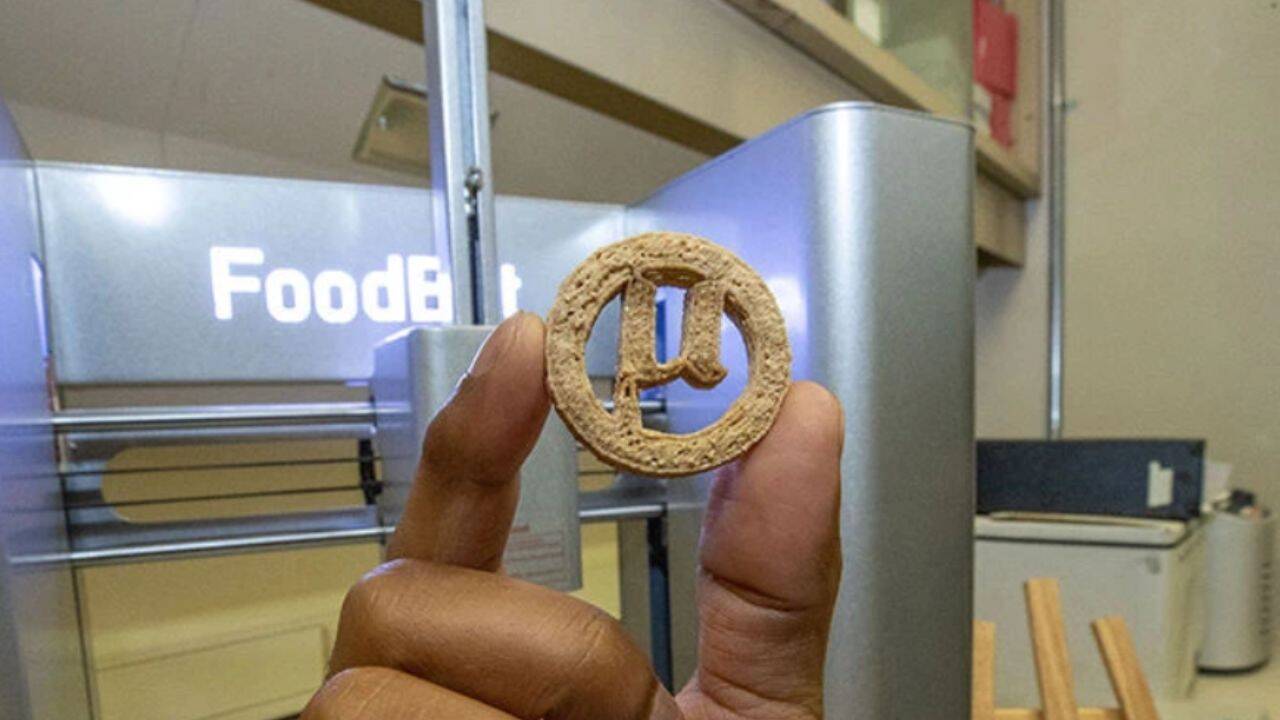
Scientists at Southern Illinois University Carbondale have made a breakthrough in developing protein-rich cookies using plastic waste and agricultural waste. The cookies, called µBites, utilize PET plastic from bottles and discarded corn stalks and leaves.
The process involves using programmed yeasts to convert the processed waste into proteins, fats, acids, and flavoring molecules. This innovative approach has the potential to provide a sustainable source of nutrition in resource-limited environments.
The project is linked to NASA and aims to develop food for future deep-space missions where traditional food supplies may be limited. The use of plastic waste and agricultural waste to create a protein-rich food source could have significant implications for space exploration.
The researchers' goal is to create a reliable and sustainable food source that can be produced in challenging environments. The µBites cookies are a promising step towards achieving this goal.
The conversion of plastic waste into a usable product is a significant aspect of this project. Plastic waste is a major environmental concern, and finding innovative ways to reuse and recycle it is crucial.
The use of agricultural waste, such as discarded corn stalks and leaves, also reduces waste and provides a sustainable source of nutrients. The combination of plastic waste and agricultural waste creates a unique and sustainable food source.
The project's focus on developing food for resource-limited environments highlights the potential for this technology to be used in a variety of applications, including space exploration and emergency food supplies.
As the world continues to grapple with the challenges of plastic waste and sustainable food production, innovative solutions like the µBites cookies offer a promising glimpse into a more sustainable future.
The development of protein-rich cookies from plastic waste and agricultural waste is a significant step towards creating a more sustainable food system. It highlights the potential for innovative technologies to address some of the world's most pressing environmental challenges.
In the context of space exploration, the ability to produce food in resource-limited environments is crucial. The µBites cookies offer a promising solution to this challenge, and their development could have significant implications for future deep-space missions.
Overall, the creation of protein-rich cookies from plastic waste and agricultural waste is a groundbreaking achievement with significant potential for sustainable food production and space exploration.
Frequently asked questions
What are µBites cookies made of?
µBites cookies are made from PET plastic from bottles and discarded corn stalks and leaves.
What is the purpose of the µBites project?
The project aims to develop food for resource-limited environments, including future deep-space missions.