India maintains Indus Waters Treaty suspension over Pakistan terrorism concerns
India has reaffirmed that the Indus Waters Treaty will remain suspended until Pakistan stops supporting cross-border terrorism. The Ministry of External Affairs emphasised this is a direct response to Pakistan's continued backing of militant activities.

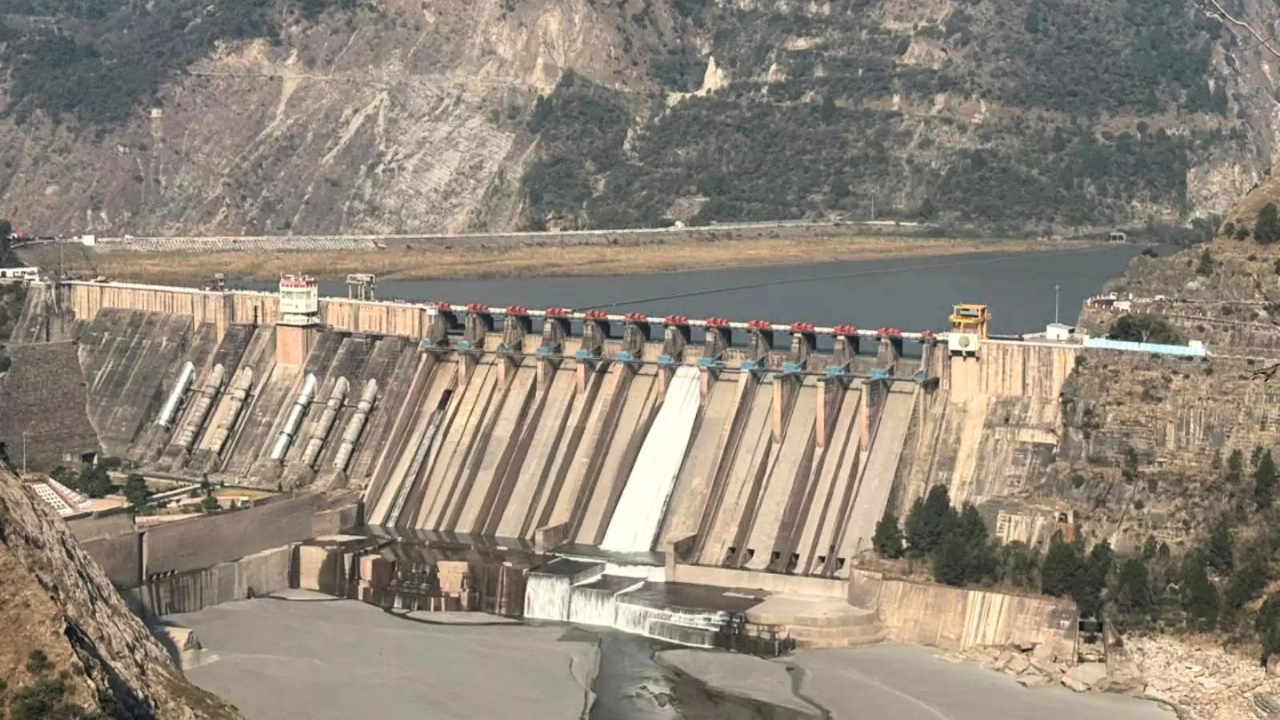
India has declared that the Indus Waters Treaty will remain in suspension until Pakistan completely abandons its support for cross-border terrorism, the Ministry of External Affairs confirmed on Tuesday.
The government reiterated its firm position that the treaty's suspension is a measured response to what it describes as Pakistan's persistent sponsorship of terrorist activities targeting India. This stance reflects New Delhi's broader strategy of linking bilateral agreements to Pakistan's counterterrorism commitments, signalling that normalisation of relations depends on concrete action against militant organisations operating from Pakistani soil.
The decision to suspend the Indus Waters Treaty—one of the oldest and most successful international water-sharing agreements between the two nations—represents a significant diplomatic move. First signed in 1960 and facilitated by the World Bank, the treaty has historically governed the sharing of waters from the Indus River system between India and Pakistan. India's invocation of suspension powers marks a major escalation in the use of international agreements as leverage in bilateral disputes.
The ministry's reaffirmation came after earlier statements made following a major terrorist attack in which officials declared that 'blood and water cannot flow together.' This phrase encapsulated India's position that it cannot maintain normal water-sharing arrangements with a nation that, according to Indian officials, harbours and finances terrorist groups operating within Indian territory.
The suspension creates significant diplomatic tension between the two nuclear-armed neighbours and raises questions about the functionality of mechanisms established under international law. Pakistan has not formally responded to the latest assertion, though historical patterns suggest it is likely to challenge India's interpretation of the treaty provisions regarding suspension rights.
India's continued hardening on this issue suggests that the dispute will remain frozen unless Pakistan takes concrete steps to dismantle terrorist networks and cease providing safe haven to militant organisations. The suspension remains in effect indefinitely, with no indication of when discussions for normalisation might resume.