Mumbai SRA Targets 5.1 Lakh Homes by 2030
Mumbai slum redevelopment aims high, targets 5.1 lakh homes. SRA plans cluster redevelopment and stalled project revival.
'%3E%3Crect%20width%3D'96'%20height%3D'96'%20fill%3D'%23B3261E'%2F%3E%3Ccircle%20cx%3D'30'%20cy%3D'24'%20r%3D'44'%20fill%3D'%23fff'%20opacity%3D'.12'%2F%3E%3Ccircle%20cx%3D'60'%20cy%3D'74'%20r%3D'40'%20fill%3D'%23000'%20opacity%3D'.10'%2F%3E%3C%2Fg%3E%3Cg%20fill%3D'%23fff'%3E%3Crect%20x%3D'29'%20y%3D'49'%20width%3D'8'%20height%3D'19'%20rx%3D'1'%2F%3E%3Crect%20x%3D'39'%20y%3D'40'%20width%3D'9'%20height%3D'28'%20rx%3D'1'%2F%3E%3Crect%20x%3D'50'%20y%3D'45'%20width%3D'8'%20height%3D'23'%20rx%3D'1'%2F%3E%3Crect%20x%3D'60'%20y%3D'53'%20width%3D'7'%20height%3D'15'%20rx%3D'1'%2F%3E%3Crect%20x%3D'41'%20y%3D'34'%20width%3D'5'%20height%3D'6'%2F%3E%3C%2Fg%3E%3C%2Fsvg%3E)
The Slum Rehabilitation Authority (SRA) of Maharashtra has set an ambitious target of building over 5.1 lakh rehabilitation homes in Mumbai by December 2030. This initiative is part of the state's efforts to provide better living conditions to slum dwellers and improve the city's infrastructure.
The SRA plans to achieve this target through cluster redevelopment, which involves redeveloping entire clusters of slums rather than individual buildings. This approach is expected to be more efficient and effective in providing rehabilitation homes to slum dwellers. Additionally, the authority plans to take measures to revive stalled projects, which have been a major hurdle in the redevelopment process.
To enhance project monitoring and efficiency, the SRA has introduced digital services and the Netram system. These technologies will enable the authority to track the progress of projects in real-time, identify bottlenecks, and take corrective action. The use of technology is expected to streamline the redevelopment process and reduce delays.
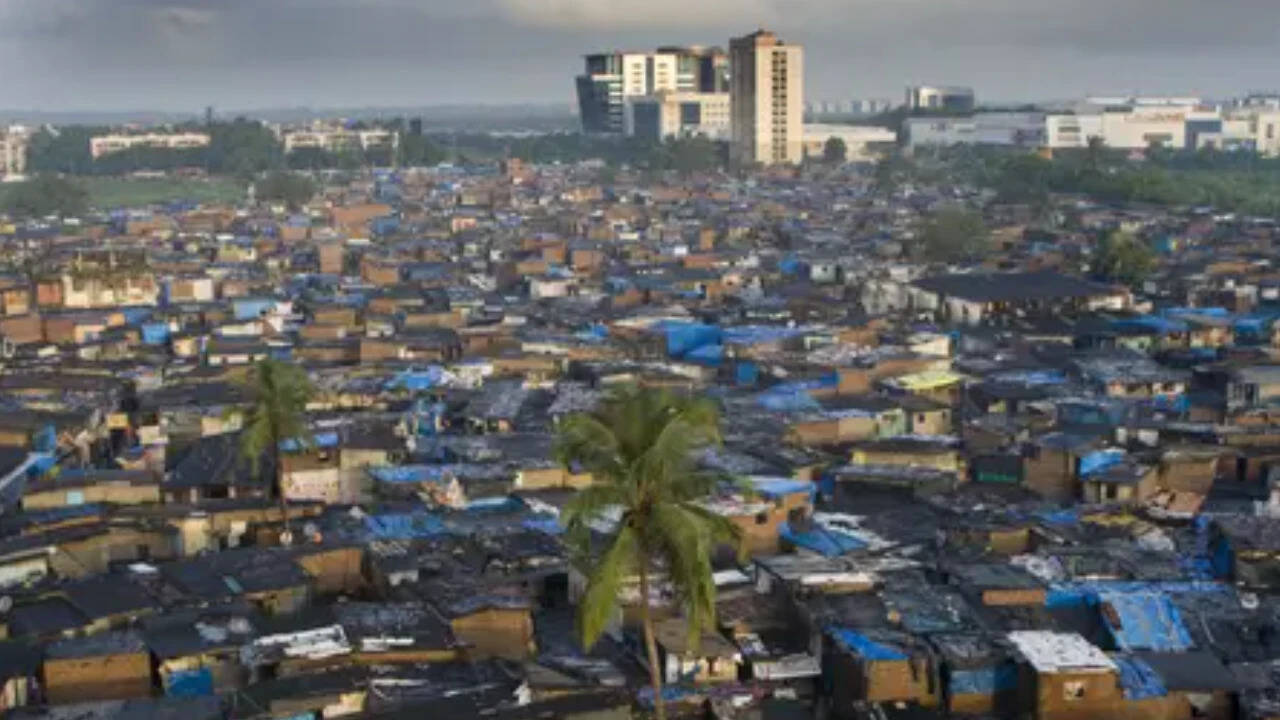
One of the major projects undertaken by the SRA is the redevelopment of Dharavi, one of the largest slums in Mumbai. The project aims to provide rehabilitation homes to over 60,000 families and is expected to be completed by 2033. The initiative also includes economic rehabilitation for local businesses and improved infrastructure, such as roads, schools, and healthcare facilities.
The Dharavi redevelopment project is a significant undertaking, given the size and complexity of the slum. The project requires careful planning, coordination, and execution to ensure that the rehabilitation homes are built on time and to the satisfaction of the slum dwellers. The SRA has been working closely with various stakeholders, including slum dwellers, developers, and government agencies, to ensure the success of the project.
The redevelopment of slums in Mumbai is a critical issue, given the city's rapid urbanization and the growing demand for housing. The SRA's target of building 5.1 lakh rehabilitation homes by 2030 is an important step towards addressing this issue. The use of technology, cluster redevelopment, and stalled project revival are all expected to contribute to the success of the initiative.
The Maharashtra government has been actively supporting the SRA's efforts to redevelop slums in Mumbai. The government has provided funding and resources to support the authority's initiatives, including the Dharavi redevelopment project. The success of the SRA's initiatives will depend on the continued support of the government and the cooperation of various stakeholders.
In conclusion, the SRA's target of building 5.1 lakh rehabilitation homes by 2030 is an ambitious but achievable goal. The use of technology, cluster redevelopment, and stalled project revival are all expected to contribute to the success of the initiative. The redevelopment of slums in Mumbai is a critical issue, and the SRA's efforts are an important step towards addressing this issue.
The success of the SRA's initiatives will have a significant impact on the lives of slum dwellers in Mumbai. The provision of rehabilitation homes, economic rehabilitation, and improved infrastructure will improve the living conditions of thousands of families. The initiative will also contribute to the city's overall development, by reducing poverty and inequality, and improving the quality of life for all citizens.
The SRA's target is a significant milestone in the state's efforts to provide better living conditions to slum dwellers. The authority's initiatives are expected to have a lasting impact on the city's development and will contribute to making Mumbai a more livable and sustainable city.
The Maharashtra government's support for the SRA's initiatives is a positive step towards addressing the issue of slum redevelopment. The government's funding and resources will enable the authority to achieve its target and provide better living conditions to slum dwellers. The success of the SRA's initiatives will depend on the continued support of the government and the cooperation of various stakeholders.
The SRA's efforts to redevelop slums in Mumbai are an important step towards addressing the city's housing crisis. The authority's initiatives will provide rehabilitation homes to thousands of families and improve the living conditions of slum dwellers. The success of the SRA's initiatives will have a significant impact on the city's development and will contribute to making Mumbai a more livable and sustainable city.
In the coming years, the SRA will face several challenges in achieving its target. The authority will need to work closely with various stakeholders, including slum dwellers, developers, and government agencies, to ensure the success of the initiative. The use of technology, cluster redevelopment, and stalled project revival will be critical to the success of the SRA's initiatives.
Overall, the SRA's target of building 5.1 lakh rehabilitation homes by 2030 is an ambitious but achievable goal. The authority's initiatives are expected to have a lasting impact on the city's development and will contribute to making Mumbai a more livable and sustainable city.
The SRA's efforts to redevelop slums in Mumbai are a significant step towards addressing the city's housing crisis. The authority's initiatives will provide rehabilitation homes to thousands of families and improve the living conditions of slum dwellers. The success of the SRA's initiatives will have a significant impact on the city's development and will contribute to making Mumbai a more livable and sustainable city.
The Maharashtra government's support for the SRA's initiatives is a positive step towards addressing the issue of slum redevelopment. The government's funding and resources will enable the authority to achieve its target and provide better living conditions to slum dwellers. The success of the SRA's initiatives will depend on the continued support of the government and the cooperation of various stakeholders.
In conclusion, the SRA's target of building 5.1 lakh rehabilitation homes by 2030 is an important step towards addressing the issue of slum redevelopment in Mumbai. The authority's initiatives are expected to have a lasting impact on the city's development and will contribute to making Mumbai a more livable and sustainable city.
The SRA's efforts to redevelop slums in Mumbai will have a significant impact on the lives of slum dwellers. The provision of rehabilitation homes, economic rehabilitation, and improved infrastructure will improve the living conditions of thousands of families. The initiative will also contribute to the city's overall development, by reducing poverty and inequality, and improving the quality of life for all citizens.
The success of the SRA's initiatives will depend on the continued support of the government and the cooperation of various stakeholders. The authority will need to work closely with slum dwellers, developers, and government agencies to ensure the success of the initiative. The use of technology, cluster redevelopment, and stalled project revival will be critical to the success of the SRA's initiatives.
In the coming years, the SRA will face several challenges in achieving its target. The authority will need to address issues such as funding, land acquisition, and stakeholder coordination. However, with the support of the government and the cooperation of various stakeholders, the SRA is confident of achieving its target and providing better living conditions to slum dwellers.
The SRA's target of building 5.1 lakh rehabilitation homes by 2030 is a significant milestone in the state's efforts to provide better living conditions to slum dwellers. The authority's initiatives are expected to have a lasting impact on the city's development and will contribute to making Mumbai a more livable and sustainable city.
The Maharashtra government's support for the SRA's initiatives is a positive step towards addressing the issue of slum redevelopment. The government's funding and resources will enable the authority to achieve its target and provide better living conditions to slum dwellers. The success of the SRA's initiatives will depend on the continued support of the government and the cooperation of various stakeholders.
In conclusion, the SRA's target of building 5.1 lakh rehabilitation homes by 2030 is an ambitious but achievable goal. The authority's initiatives are expected to have a lasting impact on the city's development and will contribute to making Mumbai a more livable and sustainable city.
What it means for Mumbai is that the city will have a significant reduction in slums, and the living conditions of thousands of families will be improved. The initiative will also contribute to the city's overall development, by reducing poverty and inequality, and improving the quality of life for all citizens. The SRA's efforts to redevelop slums in Mumbai are a significant step towards addressing the city's housing crisis, and the authority's initiatives are expected to have a lasting impact on the city's development.
Frequently asked questions
What is the target of the Slum Rehabilitation Authority (SRA) in Mumbai?
The SRA aims to build over 5.1 lakh rehabilitation homes in Mumbai by December 2030.
What is the expected completion date of the Dharavi redevelopment project?
The Dharavi redevelopment project is expected to be completed by 2033.