Shingrix Vaccine Reduces Heart Attack, Stroke Risk by 12%
Shingrix shingles vaccine linked to lower heart attack and stroke risk. Study finds 12% reduction in cardiovascular events.
'%3E%3Crect%20width%3D'96'%20height%3D'96'%20fill%3D'%23B3261E'%2F%3E%3Ccircle%20cx%3D'30'%20cy%3D'24'%20r%3D'44'%20fill%3D'%23fff'%20opacity%3D'.12'%2F%3E%3Ccircle%20cx%3D'60'%20cy%3D'74'%20r%3D'40'%20fill%3D'%23000'%20opacity%3D'.10'%2F%3E%3C%2Fg%3E%3Cg%20fill%3D'%23fff'%3E%3Crect%20x%3D'29'%20y%3D'49'%20width%3D'8'%20height%3D'19'%20rx%3D'1'%2F%3E%3Crect%20x%3D'39'%20y%3D'40'%20width%3D'9'%20height%3D'28'%20rx%3D'1'%2F%3E%3Crect%20x%3D'50'%20y%3D'45'%20width%3D'8'%20height%3D'23'%20rx%3D'1'%2F%3E%3Crect%20x%3D'60'%20y%3D'53'%20width%3D'7'%20height%3D'15'%20rx%3D'1'%2F%3E%3Crect%20x%3D'41'%20y%3D'34'%20width%3D'5'%20height%3D'6'%2F%3E%3C%2Fg%3E%3C%2Fsvg%3E)
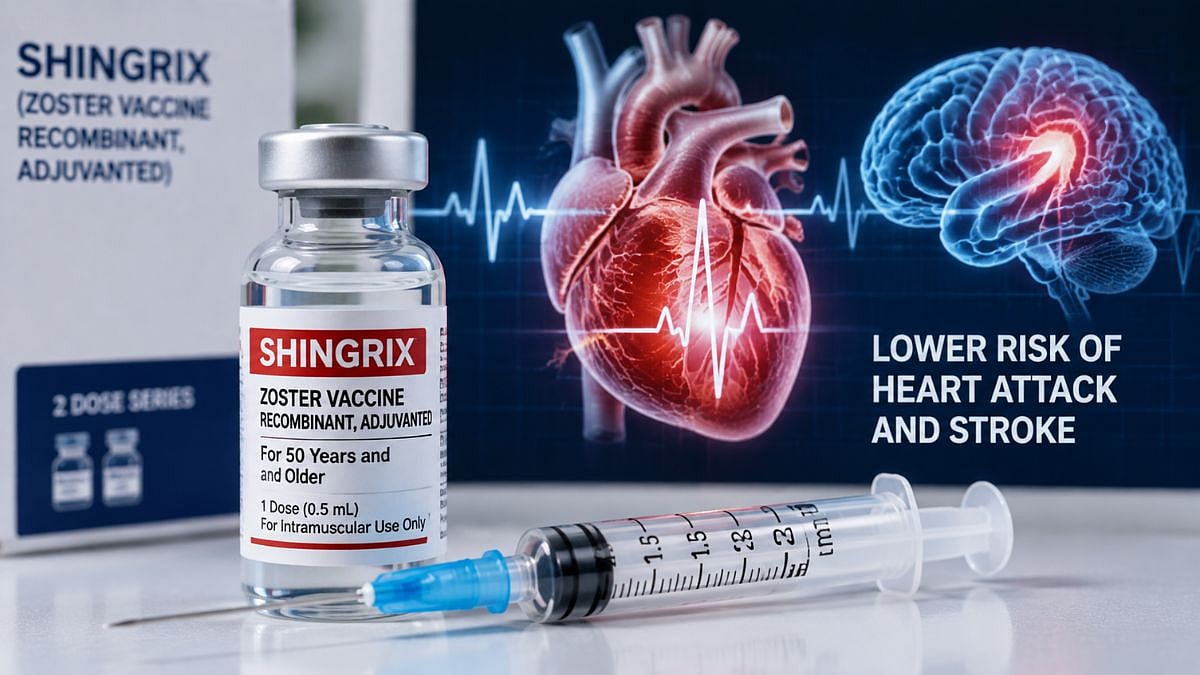
A recent study has found that the Shingrix shingles vaccine may significantly reduce the risk of heart attack and stroke. The study, which analyzed health records of 70,000 people in the US, found that those who received the Shingrix vaccine had a 12% lower risk of cardiovascular diagnosis during the following three-and-a-half years.
The study was led by Dr Maxime Taquet, a clinical lecturer at the University of Oxford. According to Dr Taquet, if confirmed, the benefit of the Shingrix vaccine could be comparable to taking daily blood pressure-lowering medication. The potential cardiovascular benefits of the vaccine could help prevent thousands of deaths each year.
Shingles is a painful and potentially serious condition caused by the reactivation of the chickenpox virus. The disease can cause a rash and nerve pain that may continue for months or years after the rash disappears. The first shingles vaccine, Zostavax, became available in 2006, but it was later succeeded by the more effective Shingrix vaccine.
The study tracked the health records of 70,000 adults aged 60 and above for seven years after vaccination. The results showed that Shingrix was associated with a 12% reduction in cardiovascular events, including heart attacks, heart failure, and stroke, during the first three-and-a-half years after vaccination. By the end of the seven-year follow-up period, it was associated with a 4% lower risk of cardiovascular diseases.
Although the change in absolute risk was small, researchers said its overall impact could be substantial because heart disease and stroke are leading causes of death. The study's findings suggest that vaccinating older adults against shingles could prevent hundreds of thousands of coronary heart diseases, strokes, and cases of heart failure worldwide.
The Shingrix vaccine is being made available incrementally to people aged 65 to 79 in the UK as part of a phased rollout. The study's results are significant, as they suggest that the vaccine may have a major impact on public health. Further research is needed to confirm the findings, but the potential benefits of the Shingrix vaccine are substantial.
In the context of global health, the study's findings are particularly relevant. Heart disease and stroke are leading causes of death worldwide, and any intervention that can reduce the risk of these conditions is significant. The Shingrix vaccine may be an important tool in the prevention of cardiovascular disease, and its potential benefits should be further explored.
The study's results also highlight the importance of vaccination in preventing serious diseases. Shingles is a painful and potentially serious condition, and the Shingrix vaccine is an effective way to prevent it. The vaccine's potential cardiovascular benefits are an added advantage, and they suggest that vaccination may have a broader impact on public health than previously thought.
In conclusion, the study's findings suggest that the Shingrix vaccine may be an important tool in the prevention of cardiovascular disease. The vaccine's potential benefits are substantial, and they highlight the importance of vaccination in preventing serious diseases. Further research is needed to confirm the findings, but the potential impact of the Shingrix vaccine on public health is significant.
The significance of the study's findings for Mumbai residents is that they highlight the importance of vaccination in preventing serious diseases. The Shingrix vaccine is not yet widely available in India, but its potential benefits suggest that it may be an important tool in the prevention of cardiovascular disease. As the vaccine becomes more widely available, it is likely to have a major impact on public health in Mumbai and beyond.
Frequently asked questions
What is the Shingrix vaccine and how does it work?
The Shingrix vaccine is a vaccine that prevents shingles, a painful and potentially serious condition caused by the reactivation of the chickenpox virus. It uses newer vaccine technology and is more effective than the previous Zostavax vaccine.
What are the potential cardiovascular benefits of the Shingrix vaccine?
The Shingrix vaccine may reduce the risk of heart attack and stroke by 12% during the first three-and-a-half years after vaccination. It may also prevent hundreds of thousands of coronary heart diseases, strokes, and cases of heart failure worldwide.